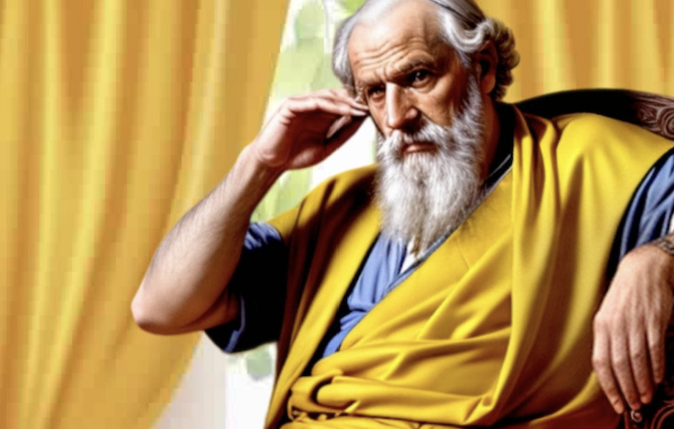
“Every individual bears the
responsibility to be of
value to humanity.”
Seneca
Seneca was a philosopher in ancient Rome. What an amazing accomplishment, and honor, to be remembered, respected, and quoted almost 2,000 years after one’s death. In his words above, he reminds us that we are all called to make a positive difference in the world during our lifetime. While this might be a tall order, leaving some to believe, perhaps, that they are incapable of doing so, Seneca broke it down into more palatable tasks. Here’s his full statement:
“Every individual bears the responsibility to be of value to humanity: if possible, to benefit a large number; if not, to benefit a smaller group; if that, too, seems unattainable, to benefit their immediate community; however, above all, they must prioritize self-growth and personal well-being.”
What an amazing two-part call to action!
This same general sentiment was echoed by President Theodore Roosevelt in his 1913 autobiography, when he wrote, “Do what you can, with what you’ve got, where you are.” This well-known quote is often attributed to the president, but Roosevelt gave credit for these words to Squire Bill Widener of Widener’s Valley, Virginia.
Mother Teresa, now known as Saint Teresa of Calcutta, called us to a similar task. She wrote, “Give the world the best you have, and it may never be enough; give the world the best you’ve got anyway.” She also recognized the immensity of her challenge, so she added these words: “Not all of us can do great things. But we can all do small things with great love.”
The challenge is clear, but I mentioned that Seneca’s decree has a second part. It would be a mistake to overlook it.
He entreated us to, “above all,… prioritize self-growth and personal well-being.” I fear that these words may be overlooked, just as Jesus’ prerequisite to love our neighbors as we love ourselves is often ignored. Yes, we are called to love our neighbors, but we are first called to love ourselves. Seneca urges us to be of value to humanity, but that before we can do so, we must attend to self-growth and our own personal well-being.
Self-care is not selfish. My Bahamian friend, Preston Moss, made this clear to me when, in 1975, he told me, “Ya can’t give what ya ain’t got.” He was right!
Being of value to humanity, in whatever way we can, should be at the top of our Bucket List. How we approach this task is up to us.
 A Beacon of Light
Leave a comment