-

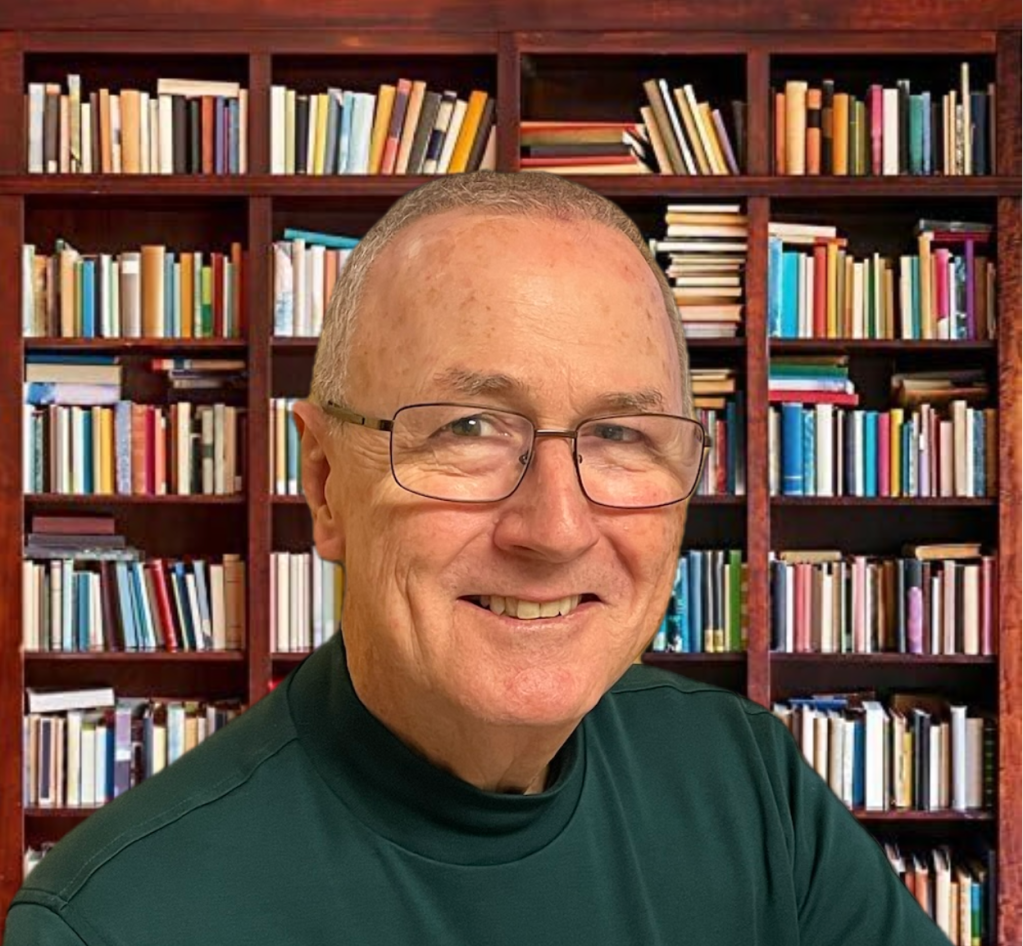
My name is Kevin Carroll. I was born and raised in San Francisco, California, where I attended Saint Ignatius College Preparatory. I am a graduate of both Santa Clara University and the University of San Francisco. Following a 40-year career in teaching and pastoral ministry, I launched a new career as a writer and speaker.
I live in San José, California. My wife, Kathy, and I have three adult sons and five precious grandchildren. I have much for which to be grateful.
I can be reached via email at kmc43sjc@gmail.com
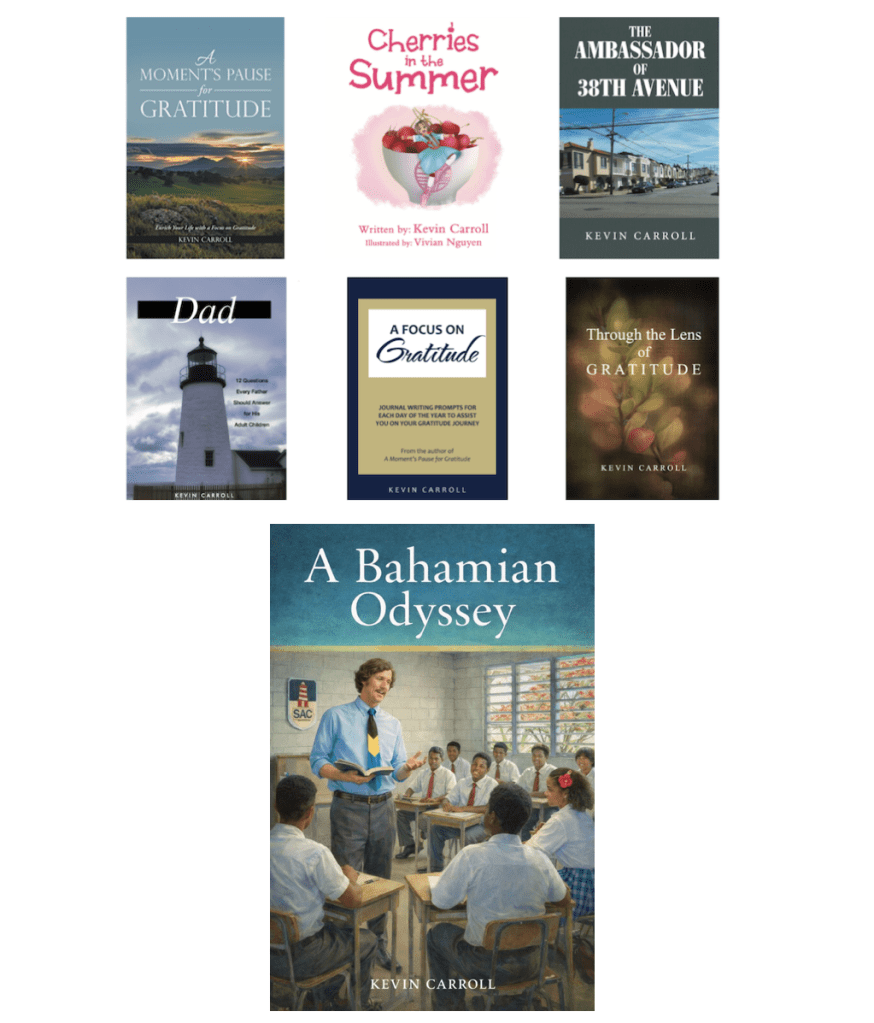
My books are available for purchase online from Amazon. I also have copies of some of these titles at my home for those who would like to buy them directly from me.
A Moment’s Pause for Gratitude (2017)
Cherries in the Summer (2021)
The Ambassador of 38th Avenue (2022)
Dad: 12 Questions… (2023)
A Focus on Gratitude (2024)
Through the Lens of Gratitude (2024)
A Bahamian Odyssey (2026)
-

- October 2026
- September 2026
- August 2026
- July 2026
- June 2026
- May 2026
- April 2026
- March 2026
- February 2026
- January 2026
- December 2025
- November 2025
- October 2025
- September 2025
- August 2025
- July 2025
- June 2025
- May 2025
- April 2025
- March 2025
- February 2025
- January 2025
- December 2024
- November 2024
- October 2024
- September 2024
- August 2024
- July 2024
- June 2024
- May 2024
- April 2024
- March 2024
- February 2024
- January 2024
- December 2023
- November 2023
- October 2023
- September 2023
- August 2023
- July 2023
- June 2023
- May 2023
- April 2023
- March 2023
- February 2023
- January 2023
- December 2022
- November 2022
-
Unprepared
“It wasn’t raining
when Noah
built the ark.”
Howard RuffA few days ago, I posted an article on this blog about the uncertainty of what we might experience in terms of weather over the next several months. Three different readers responded with basically the same question: Given the reality and randomness of earthquakes in California, aren’t you accustomed to feeling uncertain about the dangers of “acts of nature”?
This is an excellent question. One would certainly think this would be the case, but most Californians, myself included, while well aware of the potential danger of a sizable, destructive earthquake, are alarmingly unprepared for such an incident.
In the months following the Loma Prieta quake that rocked northern California on October 17, 1989, scientists predicted that the San Francisco Bay Area will more than likely experience a quake 7.0 or greater on the Richter scale “within thirty years.” Well, it’s now been almost 37 years since those predictions were made. Sadly, I think, most of us still have this misguided hope that it will never happen — at least, not in our lifetime.
Eckhart Tolle extolls the virtues of living in the present moment. We are told that the past is behind us, so don’t dwell on it, and the future is not yet a reality, so don’t worry about it. All we really have to focus on is the present. While this mindset has value, Howard Ruff’s words quoted above continue to rattle around in my mind.
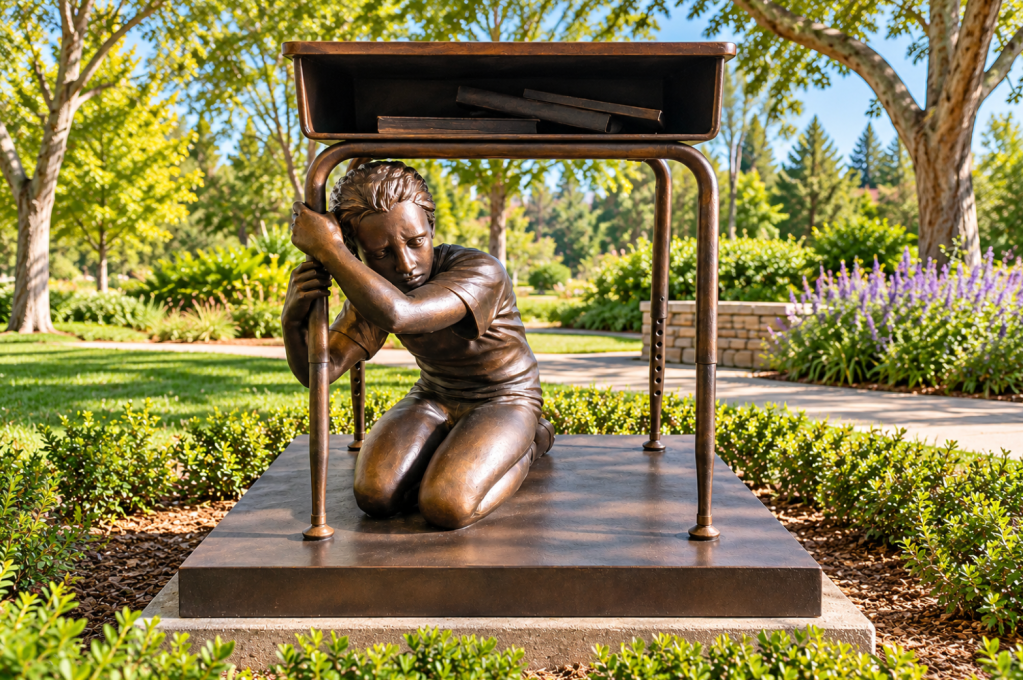
Growing up in California, I experienced a lifetime of earthquake preparedness drills. School children still practice their response to an earthquake on, in many schools, a monthly basis. In my early years, the mantra was “Drop, Duck, and Cover,” with the emphasis being to cover our heads. In later years, recognizing the reality of new, lightweight student desks which had greater potential to bounce around and away from the student during a real temblor, the go-to phrase used today is “Drop, Cover, and Hold.” Still, there is an emphasis on covering one’s head, but it’s essential that students hold on to their desk to keep it from bouncing away from them.
This laid-back attitude of most Californians to the potential danger we face every day is both intriguing and dangerous. No one wants to be a pessimist. No one wants to live in fear of what might happen from one day to the next. We want to live life to the fullest, to make the most of every day, and, when the time comes, if it does, to deal with it to the best of our ability.
The State of California even has a website specifically designed to help residents prepare for what many refer to as “the big one.” Perhaps it would be wise for me (us) to visit the site for reminders of things we can do in advance of such an emergency. This certainly seems like a prudent thing to do.
-
Inspiration

“The ability to recover
gets harder
the older you get.”
Buster PoseyMy youngest son, Brendan, had a dream. So in March 2024, he made the decision to quit his job and venture into the world of entrepreneurship. He created True Form Basketball, a program that provides individual and group instruction on the fundamentals of basketball. The program also focuses on sharing values — teamwork, hard work, commitment, self-discipline, courage, integrity, confidence, respect, and overcoming obstacles.
Just as things were getting started, Brendan experienced his first major obstacle. I saw a video of Brendan playing basketball on a Friday morning in May 2024 in the gym at 24-Hour Fitness in San José. As had been the case since his earliest days of playing hoops, he looked like a gazelle. His movements were smooth, determined, and powerful. Little did he know, at that time, that while playing the following Monday, he would rupture the patellar tendon in his left leg during a workout. He had surgery the following day.
While he was certainly disappointed with the situation, Brendan was determined to get well and return to coaching. It was slow-going at first, but little by little, his commitment to the rehab program was impressive. In fact, because he was in such good shape going into the surgery, the pace of his recovery surprised even his doctor and physical therapist. By August, Brendan was back on the court.
I was proud of him. Brendan attributed his positive attitude to his respect for Kobe Bryant, who sustained a serious injury himself during his career. Bryant had said, “Everything negative — pressure, challenges — is all an opportunity for me to rise.” He did, and so did Brendan.
By October 2024, things were looking up for Brendan’s business. He had a number of clients ranging from a fourth grader to a Division 1 high school basketball player. He was also coaching several adults, people who just wanted to improve their game. Then it happened again.
In November 2024, during another game, the patellar tendon in Brendan’s other knee ruptured. Same injury, different leg. The next day, the same surgery at the same hospital. The medical team at Regional Medical Center welcomed him back warmly.
It would have been easy to understand if Brendan had decided to give up the dream. The thought of several more months of recovery was daunting, but again, Brendan’s attitude reflected the “Mamba mentality” of Kobe Bryant. Little by little, one day at a time, Brendan put in the work. As Bryant had once said, “It’s a long journey, but if you focus on the mini milestones along the way, you will find beauty in the struggle of doing simple things that prior to this injury were taken for granted.”
Now it’s early October 2026. Brendan is, once again, a specimen of health, but he doesn’t take it for granted. He continues to work out daily and to challenge himself to keep his legs strong by stretching and resistance training, enabling him to provide outstanding guidance to his clients.
Brendan never gave up, and this inspires me. I’m not sure I would have had the courage and persistence to keep going. Yes, Brendan is getting a little older, but he is committed to keeping himself in excellent physical condition and continuing his journey of True Form Basketball.
-
Why Do I Help Others?

“Life’s most persistent
and urgent question is,
‘What are you doing
for others?’”
Martin Luther King, Jr.Why do I help others? Because I can. It’s that simple.
A M D G
-
Solitude
“Solitude is not the
absence of love,
but its complement.”
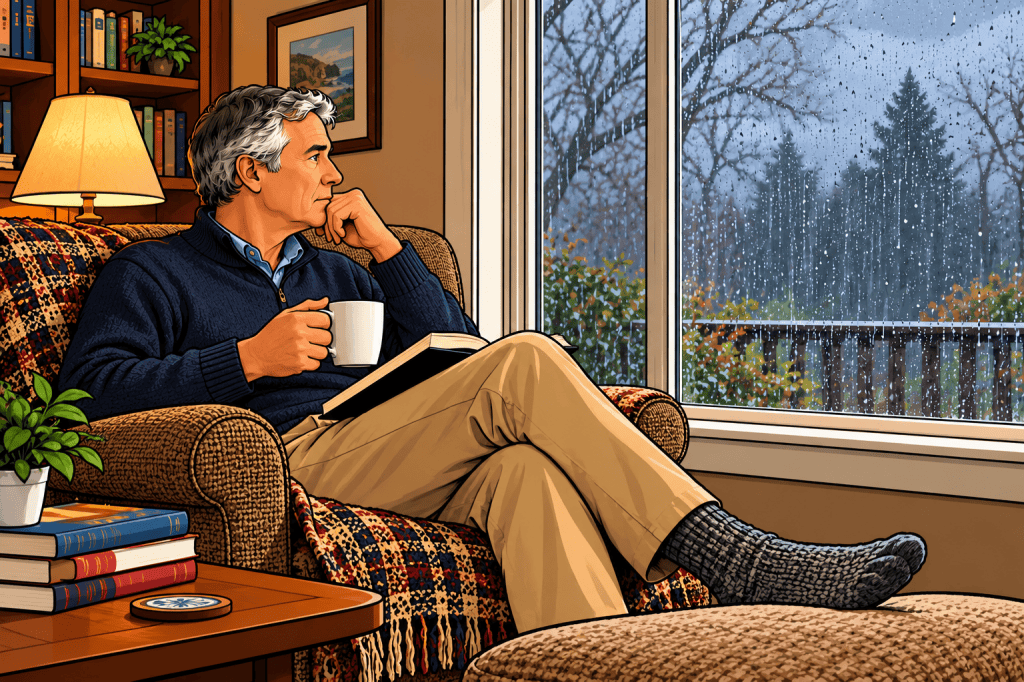
Paulo CoelhoFor most of my life, I have been energized by being around other people. I am fairly outgoing by nature, and I enjoy being part of moderately-sized groups where conversation, laughter, and shared experiences create a sense of connection. I also spent my entire career interacting with people all day, every day. Being with others was not simply part of my work; it became part of the rhythm of my life.
Retirement has introduced me to another rhythm—the unexpected gift of intentional self-isolation.
There is an important difference between loneliness and solitude. Loneliness can leave us feeling disconnected and forgotten. Solitude, when freely chosen, can create the quiet space in which we reconnect with ourselves. As Paulo Coelho observed, “If you are never alone, you cannot know yourself.” When the voices and expectations of others grow quiet, I sometimes hear more clearly the questions stirring within my own heart.
Carl Sandburg captured this beautifully: “It is necessary for a man to go away by himself, to sit on a rock and ask, ‘Who am I, where have I been, and where am I going?’” These questions seem particularly meaningful in retirement. After decades of schedules, responsibilities, meetings, classrooms, and conversations, solitude provides an opportunity for me to reflect upon where I have been while discerning where I may still be called to go.
I am also discovering that being alone does not necessarily mean being lonely. Irini Zoica offers wonderful advice: “Be so fulfilled with yourself that even when you are alone you feel in good company.” Learning to enjoy my own company has become one of retirement’s quiet blessings.
Perhaps that is why Gabriel García Márquez wrote, “The secret of a good old age is simply an honorable pact with solitude.” Such a pact does not require withdrawing permanently from the world. For me, it means occasionally stepping away from its noise so that I can return refreshed, centered, and more grateful for the people in my life.
Robin Williams offered an important reminder: “I used to think that the worst thing in life was to end up alone. It’s not. The worst thing in life is to end up with people who make you feel all alone.” I’ve been there, so these words by Robin Williams resonate with me.
I still need people. I still treasure friendships, conversation, community, and laughter. But I am learning that I also need periods when the room grows quiet and I am left with myself. In those moments, solitude does not empty my life. It nurtures my soul.
-
What’s Coming?
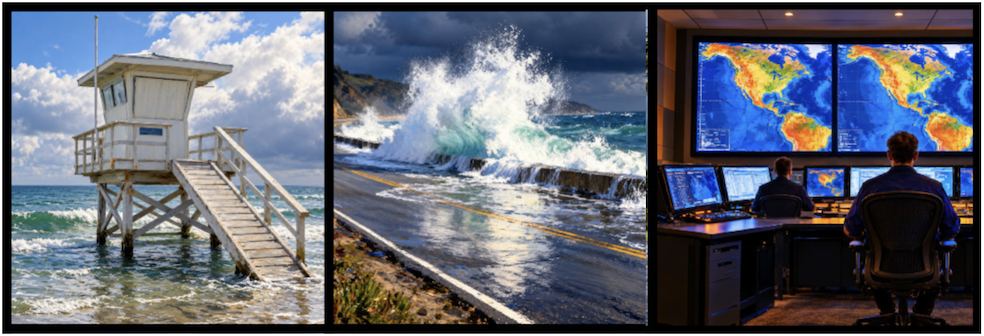
“2026 is going to be
renowned for the
development of the
largest El Niño
in living memory.”
Britain’s Met OfficeThere is something unsettling about knowing that something may be coming but not knowing exactly what it will be.
Meteorologists warn us that extreme weather is likely headed for California. U.S. meteorologist Ryan Maue predicts, “This ‘Super El Niño’ will be perhaps the strongest in 500 to 1,000 years.” If his prediction proves accurate, some communities could face torrential rain, flooding, mudslides, and damaging storms, while others may experience surprisingly dry conditions. We can study forecasts, watch weather patterns, and prepare for various possibilities, but ultimately, we cannot know precisely what the coming months will bring.
In many ways, this uncertainty is a metaphor for life.
We spend a great deal of energy trying to anticipate what is around the corner. We make plans, do what we can to protect ourselves, and imagine different scenarios that might play out. There is wisdom in preparation. If heavy rain is possible, we should clear gutters, inspect roofs, prepare emergency supplies, and pay attention to local warnings. Prudence is not fear. Preparing for what might happen is common sense. But preparation has its limits. Eventually, we reach the boundary between what we can control and what we cannot.
That is where The Serenity Prayer becomes particularly meaningful:
“God, grant me the serenity to accept the things I cannot change, courage to change the things I can, and wisdom to know the difference.“
We cannot control where a storm goes. We cannot determine how much rain will fall or which neighborhoods might flood. But we can prepare our home. We can check on elderly neighbors. We can keep emergency supplies available. We can listen carefully to those responsible for public safety. And perhaps most importantly, we can prepare ourselves emotionally and spiritually for the uncertainty that lies ahead.
The greatest preparation may not be predicting exactly what will happen. It may be learning how to respond emotionally and responsibly to whatever happens.
The Serenity Prayer invites us to hold two seemingly opposite ideas at the same time: acceptance and action. Acceptance does not mean doing nothing. Courage does not mean believing we can control everything. True wisdom lies somewhere between them.
Whatever weather lies ahead, our task is the same one we face every day: do what we reasonably can, let go of what lies beyond our control, remain attentive to the needs of others, and trust that when tomorrow arrives, we will have the wisdom to ask, “Where is God in this?”
-
Courage
“Vulnerability is not
weakness; it’s our
most accurate
measure of courage.”
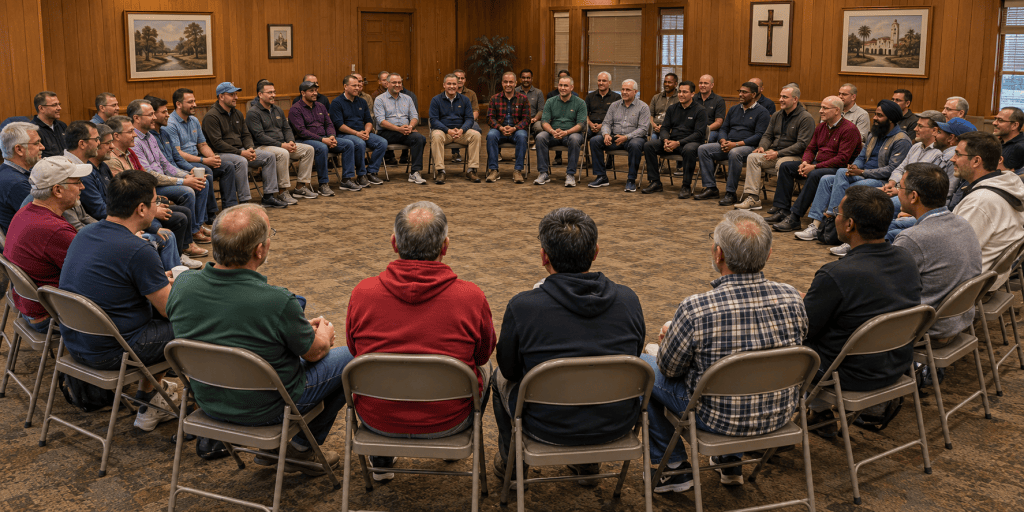
Brené BrownFor much of my life, I thought courage meant being strong, never giving up, and dealing with my problems on my own. Somewhere along the way, I learned that it’s important, as a man, to never allow people to see me struggling. I suspect many men learned something similar.
We learned to measure ourselves against other men. Who was more successful? More accomplished? More confident? As we moved through life with this mindset, friendships often quietly became competitions. Instead of asking, “How are you really doing?” we compared résumés, accomplishments, possessions, and stories. As I’ve grown older, however, I have realized that courage means something very different.
Brené Brown writes, “Owning our story and loving ourselves through that process is the bravest thing that we will ever do.” I understand these words differently today. Perhaps courage is not protecting the image I have created for others. Perhaps it is allowing another person to see what lies underneath it.
Ignatian spirituality continually invites me to pay attention—to notice what is happening within me and to ask, “Where is God in this?” God may be present in the very things I am tempted to hide: my fears, regrets, disappointments, loneliness, uncertainty, and need for others. Instead of running from those places, perhaps God invites me to enter them honestly and to trust that I do not have to enter them alone.
There is something sacred about men sitting together and dropping their defenses. One man says, “I’m struggling.” Another admits, “I’m afraid.” Someone else says, “I don’t know what to do.” Suddenly, nobody needs to have all the answers.
Rachel Naomi Remen writes, “Perhaps the secret of living well is not in having all the answers, but in pursuing unanswerable questions in good company.” Good company. What a gift that can be.
Perhaps male friendship, at its deepest level, is not about having companions who admire our strength, but companions with whom we do not have to pretend to be strong. We were never meant to make this journey entirely by ourselves. We need people who will listen without fixing, accompany without judging, and remind us that God is still at work when the road ahead is unclear.
Today, courage looks different to me. Real courage is taking off the armor. It’s telling the truth. It’s allowing myself to be known for who I really am, not for who I want people to think I am.
-
Why Wait?
“People have
beautiful things
to say about you,
but you must
die first.”
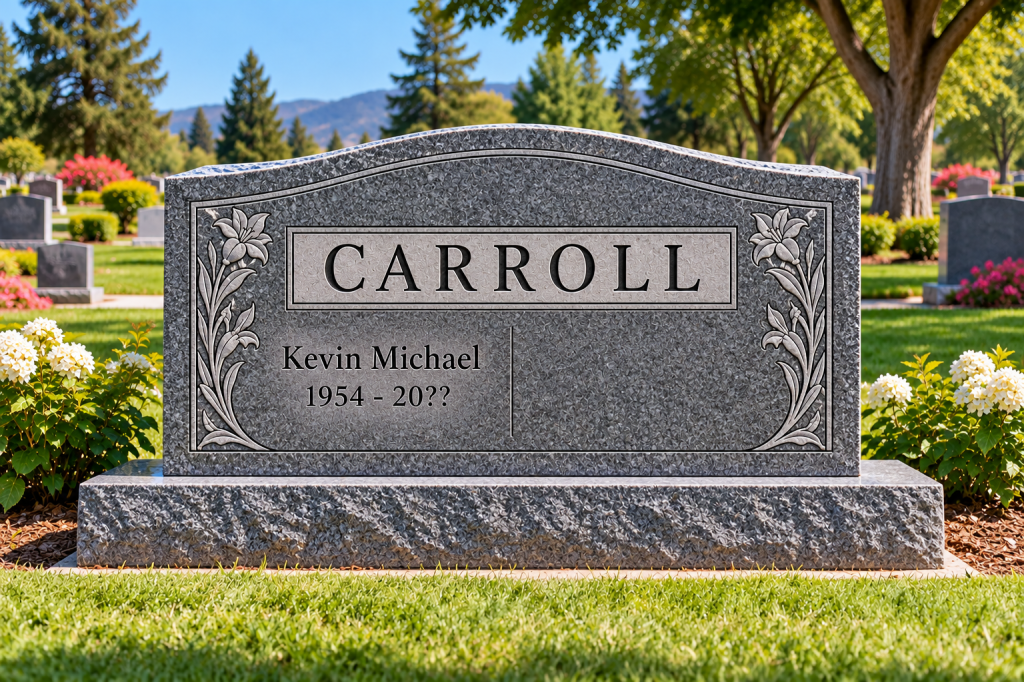
Fyodor DostoevskyI know I’ve written on this topic before, but I am moved to do so again tonight. There is something profoundly sad about the way we often wait until someone dies before saying the things they most deserved to hear while they were alive.
At funerals and memorial services, we speak eloquently about the person we have lost. We tell stories about their kindness, generosity, humor, courage, and love. We describe the difference they made in our lives. We tell their family how much they meant to us. Sometimes we even say, “I wish I had told them.”
Why do we wait?
Perhaps we assume there will always be more time. Perhaps expressing affection makes us uncomfortable. Sometimes pride, old disagreements, or the busyness of everyday life gets in the way. We may appreciate someone deeply without ever realizing that our gratitude needs to be spoken, rather than simply felt. But appreciation that remains unspoken is a gift never delivered.
Imagine how our relationships might change if we began giving people their “flowers” while they were still alive to receive them. What if we told a longtime friend, “Your friendship has been one of the great blessings of my life”? What if we thanked a teacher for believing in us, told a sibling what we admire about them, or reminded an aging parent of the lessons they taught us? Sharing such words might change more than we realize.
Most people carry burdens we cannot see. Even those who appear confident occasionally wonder whether their lives matter. A sincere word of gratitude may arrive on the very day someone desperately needs encouragement. Telling people what they mean to us allows them to see something of themselves through our eyes.
When we express such words of appreciation, something changes within us as well. Expressing gratitude teaches us to pay attention. Instead of focusing on people’s shortcomings, we begin noticing their goodness. Instead of assuming they know we love them, we say it. Instead of postponing kindness, we practice it now.
None of us knows how much time we have with the people we love. Someday there will be a funeral, and there will be beautiful words spoken. But perhaps the greater tribute is to speak some of those words today. Write the note. Make the phone call. Tell someone what you admire about them. Tell them how they have changed your life.
The people we love should not have to die before they discover how much they meant to us. Say it now, while they can still hear it.
-
Into the Fog
“Never be afraid
to trust an
unknown future
to a
known God.”
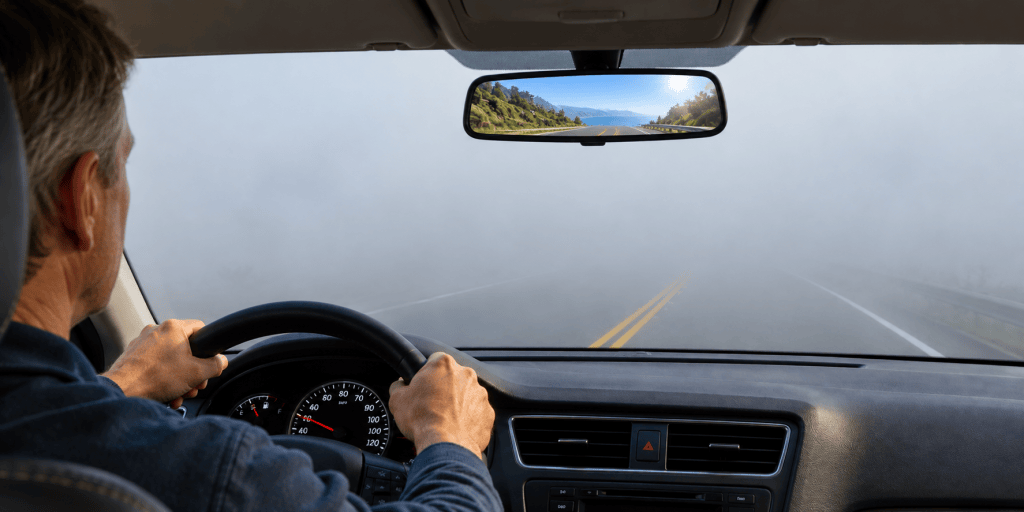
Corrie ten BoomThere are moments in my life when I wish God would simply tell me what’s coming next. I want the road ahead to be clearly marked. I want to know which direction to take, what decisions to make, and how everything will eventually turn out. Instead, I sometimes find myself driving in a dense fog, able to see only a short distance ahead. Perhaps this is where faith begins.
I have come to recognize how much energy I can spend trying to control life. I make plans, anticipate problems, and imagine how circumstances should unfold. Sometimes I even want to manage the choices of the people around me, believing I know what would be best for them. Beneath much of this desire for control is fear. If I can control what happens, perhaps I can protect myself and those I love from disappointment, suffering, or uncertainty. But life continually reminds me that I am not in control.
Ignatian spirituality invites me to respond differently. There is a better question to ask than “How can I control this situation?” Instead, I have the option to ask, “Where is God in this?” Asking this question changes everything.
Discernment does not necessarily give me a clear picture of the future. Instead, it asks me to pay attention to God’s movement within the reality of my life as it is today. What is bringing me greater faith, hope, love, and serenity? What is leading me toward generosity and peace? What is pulling me toward fear, resentment, or self-centeredness? God may not reveal the entire road, but God can help me recognize the next appropriate step.
This requires accepting my powerlessness, which is not always easy. Embracing powerlessness does not mean becoming helpless or passive. It means acknowledging what is, rather than continually fighting against what I cannot change. I can say, “This is where I am. This is the reality before me. What is God inviting me to do with it?”
Sometimes the bravest thing we can say is, “Lord, I don’t know where you’re leading me, but I trust you.” For me, this is a prayer of surrender and discernment. I am not asking God to guarantee that everything will happen according to my plans. I am asking for the grace to recognize God’s presence wherever the road leads.
Faith is not believing that the fog will suddenly dissipate. Faith is discovering that God is present within the fog.
I may not know what tomorrow will bring. I may not be able to control the circumstances or people around me. I can, however, remain attentive. I can pray. I can listen. I can discern. I can acknowledge the reality of what is and choose how I will move forward. And when I cannot see the destination, I can ask for the grace to take just one more step.
Where is God in this? Maybe God is right here — walking with me into the uncertainty.
-
It’s a Choice
“Choose to be
optimistic.
It feels better.”
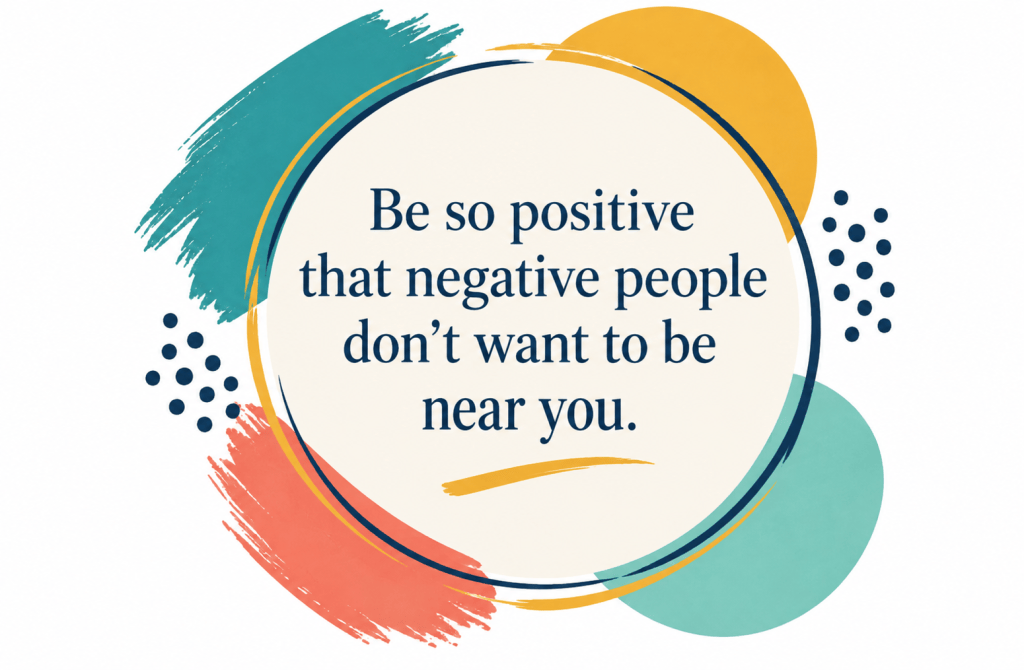
Dalai LamaMost people I know would say, if they gave it much thought, that they try to be positive in their outlook on life. Being positive does not mean walking around with a smile on your face every minute of every day, or pretending that problems don’t exist. True positivity means choosing hope, gratitude, and a positive attitude even when life becomes difficult. An optimistic person looks for possibilities instead of only seeing problems. In fact, being genuinely positive can become so powerful that people who constantly focus on negativity may not even want to be around you. Fancy that!
Positive thinking can change the way we respond to everyday challenges. For example, instead of saying, “I messed up — I’m so terrible at this,” a positive person might think, “Yeah, things didn’t work out as I had hoped, but now I know what I need to improve upon.” This attitude turns mistakes into lessons, and setbacks into opportunities for growth. Positive people are not necessarily luckier than everyone else. They simply choose to focus on what they can control, well-aware that they can’t control every aspect of their life. As a result, they often become more confident and resilient.
Positivity can also influence the people around us. A kind word, a sincere compliment, a good sense of humor, or simply being willing to listen can brighten someone’s day. When people spend time with someone who encourages them rather than constantly criticizing or complaining, they may begin to feel more confident themselves. This, however, can create an awkward problem for extremely negative people. If someone enjoys complaining about everything, a positive person who keeps looking for solutions might become an uncomfortable companion. Eventually, the negative person might seek someone else with whom they can wallow in their negativity.
Still, being positive does not mean ignoring real problems or forcing ourselves to be cheerful when we are hurting. Everyone experiences disappointment, anger, and sadness. That’s all a part of the human experience. Positivity means acknowledging these feelings while refusing to let them control our entire outlook on life. It also means setting healthy boundaries with people who constantly bring negativity into our lives.
Ultimately, positivity is a daily choice. By practicing gratitude, encouraging those around us, learning from our mistakes, and focusing on solutions rather than problems, we can create a more positive life for ourselves and those around us. The goal is not to become unrealistically cheerful, but to be so genuinely and consistently positive that negative people decide they would rather avoid us.
As American journalist Germany Kent points out, “There is too much negativity in the world. Do your best to make sure you aren’t contributing to it.”
-
No.
“No is a
complete
sentence.”
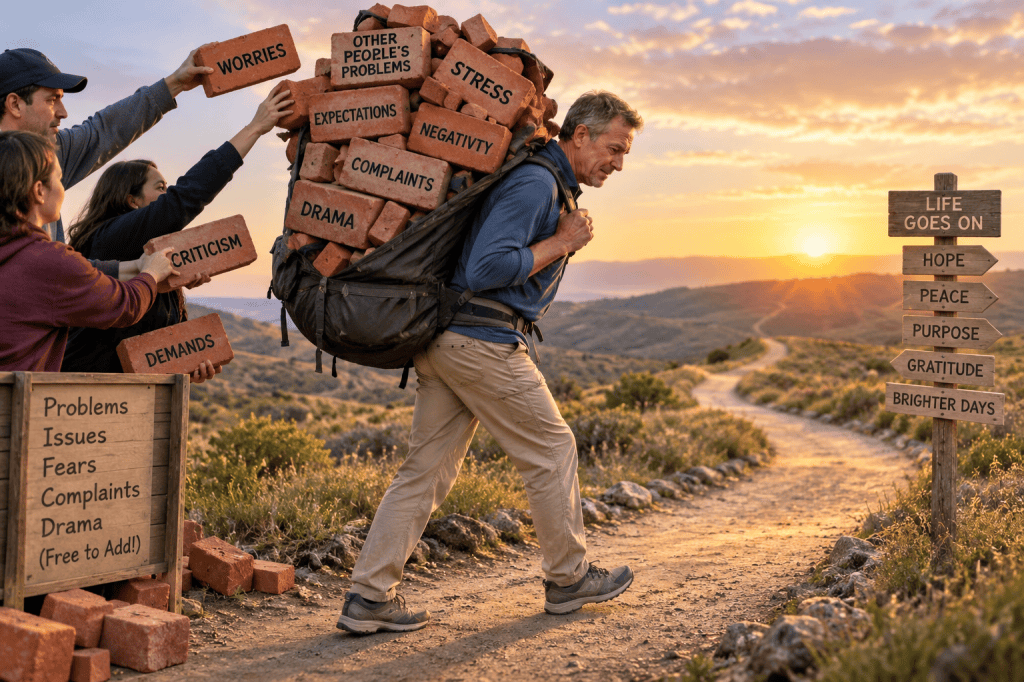
Anne LamottCompassion is a good thing. Helping others is praiseworthy. Lightening the burden for another person can be commendable. As with so many other things in life, it’s all about balance.
Anne Lamott’s five-word sentence quoted above might be the single most useful sentence in any conversation about boundaries. We don’t need a reason to say no. We don’t need to explain our no. And there is no need to feel guilty when our response to a request for help is no. “No” is enough.
Many of us were taught, from our earliest days, to be kind, generous, and helpful. These are all excellent traits. There comes a time, however, when kind, generous, helpful people find that others are taking advantage of them — burdening them with responsibilities or emotional baggage which is not theirs to carry. For this reason, few things are more important to our personal and emotional growth than the ability to set healthy limits — and this often requires that we say “No.”
Lori Deschene is the founder of Tiny Buddha, a self-help site that draws inspiration from thousands of contributors who share their stories and life lessons. She pointed out, “You can be a good person with a kind heart and still say no.” For some, this is earth-shattering news.
Dr. Henry Cloud, a clinical psychologist, warns his clients, “You get what you tolerate.” Indeed, we do. When we fail to set boundaries, when we allow ourselves to be unnecessarily burdened with the problems, responsibilities, and issues of others, we can easily find ourselves overwhelmed with the weight of that burden, leaving us ill-equipped to deal effectively with our own life challenges.
Paulo Coelho, author of the bestselling book The Alchemist and a number of other publications, wrote, “When you say ‘yes’ to others, make sure you are not saying ‘no’ to yourself.” Why would he say such a thing when making ourselves available to helping those in need is instilled in us at an early age? Maybe his advice follows the same reasoning as the pre-flight instructions on a commercial aircraft to place, in the event of an emergency, an air mask on the child’s face before placing one on your own. As my Bahamian friend, Preston Moss, once told me, “Ya can’t give wat ya ain’t got.”
Setting clear, healthy boundaries is a vital component of self-care. Having clearly defined boundaries is healthy, normal, and necessary in our world today. When we fail to set such boundaries, we leave ourselves vulnerable to burnout. As former Apple CEO Steve Jobs pointed out, “It’s only by saying no that you can concentrate on the things that are really important.”
I am certainly not suggesting that we never make ourselves available to help others. We all have a responsibility to do so from time to time. What is critical is that we have boundaries in place, and that we make those boundaries clear to ourselves and to others. Only then will we enable ourselves to manage our time and our lives in a responsible manner.
-
Subscribe
Subscribed
Have a WordPress.com account? Log in now.

