-

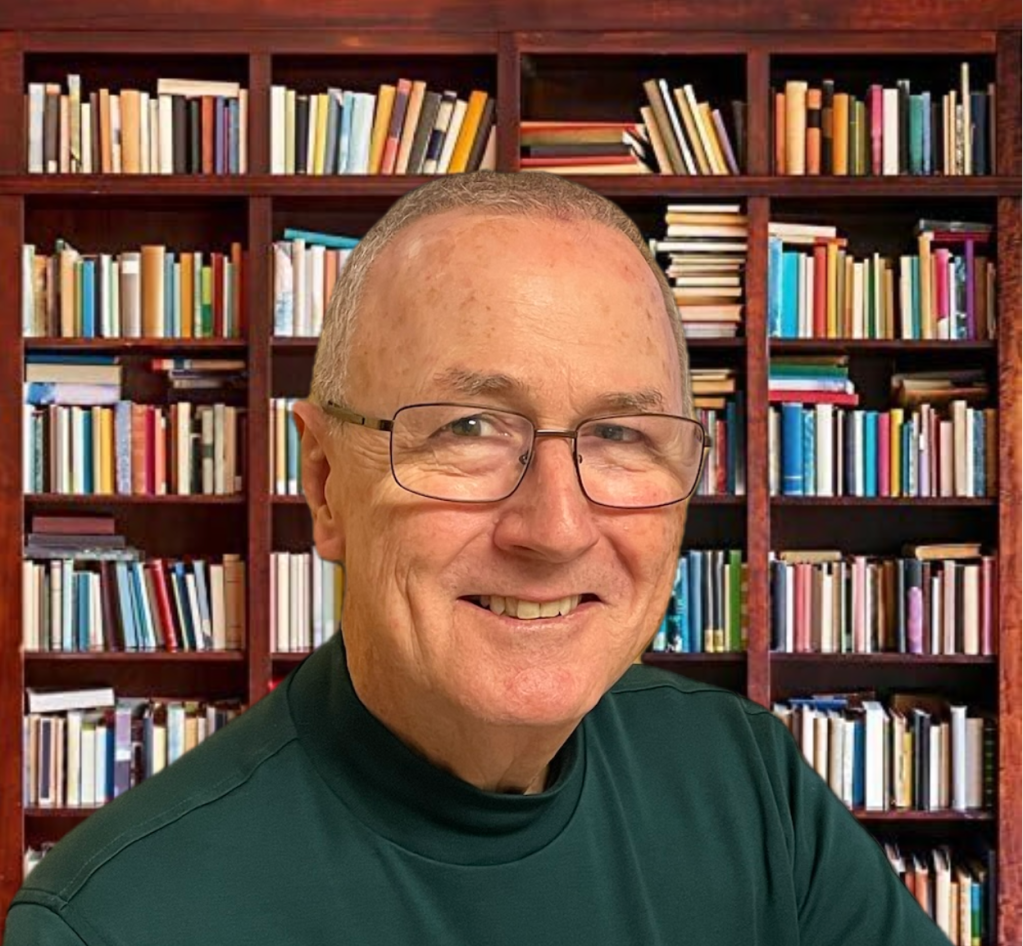
My name is Kevin Carroll. I was born and raised in San Francisco, California, where I attended Saint Ignatius College Preparatory. I am a graduate of both Santa Clara University and the University of San Francisco. Following a 40-year career in teaching and pastoral ministry, I launched a new career as a writer and speaker.
I live in San José, California. My wife, Kathy, and I have three adult sons and five precious grandchildren. I have much for which to be grateful.
I can be reached via email at kmc43sjc@gmail.com
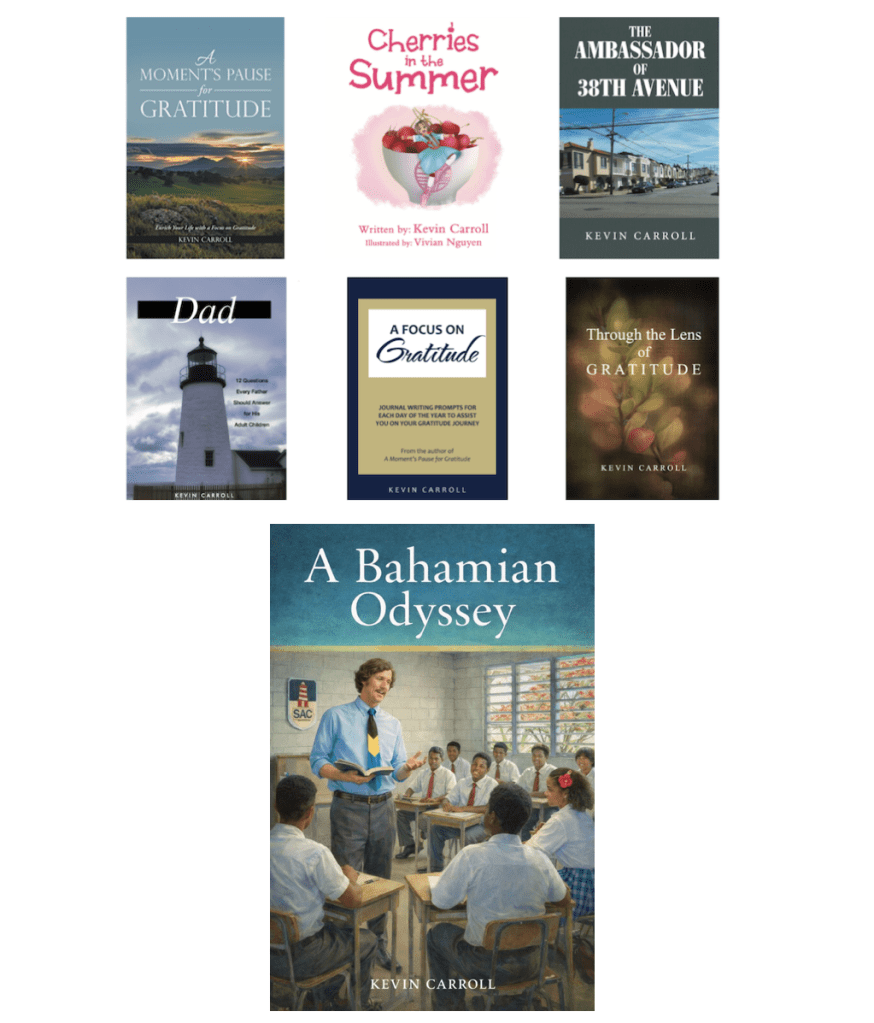
My books are available for purchase online from Amazon. I also have copies of some of these titles at my home for those who would like to buy them directly from me.
A Moment’s Pause for Gratitude (2017)
Cherries in the Summer (2021)
The Ambassador of 38th Avenue (2022)
Dad: 12 Questions… (2023)
A Focus on Gratitude (2024)
Through the Lens of Gratitude (2024)
A Bahamian Odyssey (2026)
-

- October 2026
- September 2026
- August 2026
- July 2026
- June 2026
- May 2026
- April 2026
- March 2026
- February 2026
- January 2026
- December 2025
- November 2025
- October 2025
- September 2025
- August 2025
- July 2025
- June 2025
- May 2025
- April 2025
- March 2025
- February 2025
- January 2025
- December 2024
- November 2024
- October 2024
- September 2024
- August 2024
- July 2024
- June 2024
- May 2024
- April 2024
- March 2024
- February 2024
- January 2024
- December 2023
- November 2023
- October 2023
- September 2023
- August 2023
- July 2023
- June 2023
- May 2023
- April 2023
- March 2023
- February 2023
- January 2023
- December 2022
- November 2022
-
Nassau 2025

“I have found out that there
ain’t no surer way to find out
whether you like people or hate
them than to travel with them.”
Mark TwainAs the clock wound down on 2025, we knew it was now or never — a 50th Anniversary trip to Nassau, in The Bahamas. Dan Pasini and I taught at Saint Augustine’s College in the 1974-75 academic year. It was a transformative experience for both of us. While I’d returned to Nassau on several occasions through the years, Dan had never made it back… until November 18, 2025. The return was epic.
Much has changed in Nassau in the past fifty years, and much has remained the same. Significant improvements have been made in the tourist areas, as tourism is the #1 industry in The Bahamas. In other parts of Nassau, where the locals live, much-needed improvements remain to be addressed. Many of the roadways are ridden with potholes and craters, which cannot be good for the cars driven by local Bahamians. Street signs, even at major intersections, often don’t exist, making it difficult for those unfamiliar with the local neighborhoods to navigate their way around. Water pressure in Bahamian homes is minimal, and during the hottest times of the year, electricity can be unreliable, often leaving locals without air conditioning in their homes and workplaces.
Despite all this, Bahamians are generally a happy lot. One might expect hospitality and friendly smiles in the tourist areas. After all, the economy of the country depends on keeping visitors happy. But even in other parts of the island, people are hospitable, friendly, and courteous, even on congested roadways. We heard a lot of horn-honking during our recent visit, but those were mostly indications of gratitude for motorists who slowed down or stopped to let others enter the roadway or change lanes.
Dan and I had the opportunity to visit the campus of Saint Augustine’s College where the principal is one of Dan’s former students. We got together one evening with about twenty of our former students at a local restaurant. I must admit that I didn’t recognize several of them, but when I heard their names, images of them fifty years ago came to mind. We had so many life stories to share throughout the evening.
Walking around downtown Nassau was quite nostalgic. Many of the business that were there fifty years ago are gone, replaced with new shops catering mostly to tourists. One shop I don’t recall from fifty years ago, but is still thriving today, is the Sue-Nan Shoppe, which offers a wide variety of Bahamian souvenirs, shirts, towels, hats, postcards, and other assorted items. We walked through the straw market where Dan purchased a handmade set of Dominos from the craftsman, who seemed quite appreciative that Dan made no effort to bargain with him for a better price. We met the man’s two school-age daughters and Dan knew that paying above the asking price was the right thing to do. That’s just how Dan is.
Many of our old haunts are gone — the Bridge Inn, the Nassau Beach Hotel, Quality Market, the Pilot House Hotel (where we’d pick up a copy of the New York Times on Sundays), Dipper Dan’s Ice Cream in the Palmdale neighborhood, and the Poinciana Inn, a local bar near Saint Augustine’s College that we never visited, which sported the sign “Take Courage at the Poinciana Inn” on the outside. Courage was a popular ale available on the island at that time.
We did, however, treat ourselves to lunch at The Poop Deck, a popular restaurant owned by a SAC family, which overlooks Nassau Harbor. And on several occasions, we indulged in some of the local Bahamian menu items: conch fritters, cracked conch, Bahamian Mac & Cheese, and peas & rice. Those meals brought back wonderful memories from our shared past.
We had such a good time in Nassau this year that Dan mentioned that we should make this an annual event. Twist my arm!!!
I am grateful to Dan for the experience we shared in Nassau fifty years ago, for the 50-year anniversary visit this year, and for the friendship we have maintained and nourished since 1970. I am blessed to have such a treasured friend.

Back home for a
post-trip lunch in San José -
Friendship
“No distance of place
or lapse of time
can lessen the friendship
of those who are thoroughly
persuaded of each other’s worth.”
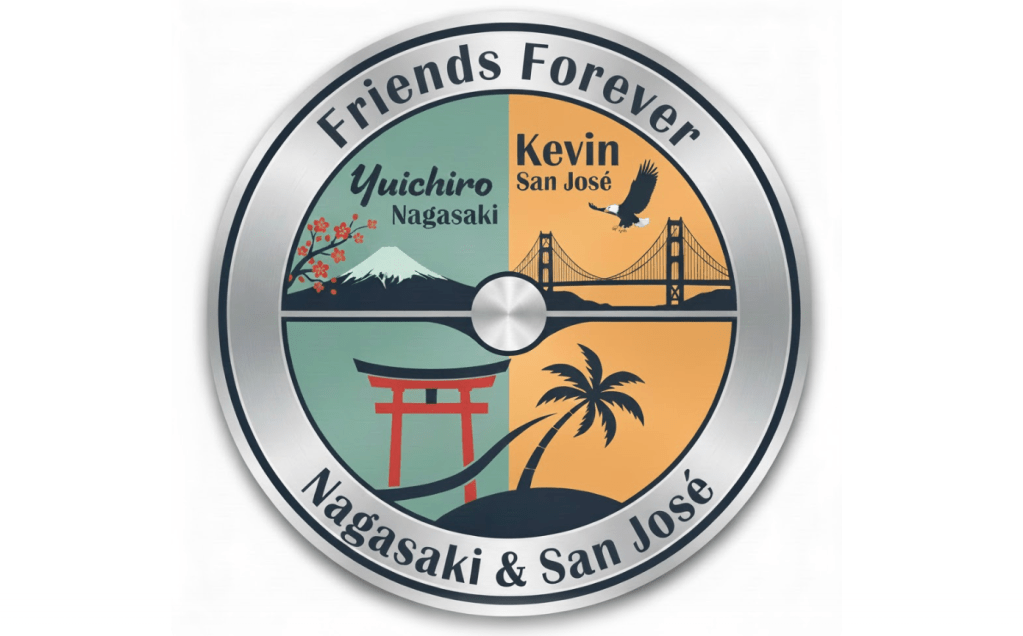
Robert SoutheyMy travels around the world, limited though they may have been, have blessed me with the opportunity to meet and get to know many people. Most would best be described as acquaintances — people I know, but with whom I really have no ongoing relationship. Others, however, have developed into true friends. This is certainly the case with my friend Yuichiro, a teacher at Junshin High School in Nagasaki, Japan.
I don’t recall exactly what year I met Yuichiro, but it was his first year serving as a chaperone escorting a group of students from Junshin High School when they visited Saint Lawrence Academy for two weeks in the spring. Our visitors would stay in the homes of host families, who would provide housing, meals, and companionship throughout the visit. Yuichiro’s host family that year was the Sifferman’s, who lived in Saratoga. Mr. Sifferman had contacted me prior to the arrival of our Japanese guests to inform me that he had a conflict on one of the weekends which required him and his his wife to be out of town. They were okay with Yuichiro staying at their home during their absence, as there was an older adult-age son living at home, too. They were just concerned that no one would be available to entertain Yuichiro on the weekend days.
I assured Mr. Sifferman that I would be happy to take on that responsibility, unaware that it would lead to a friendship which has lasted for close to twenty years.
On Saturday, we spent the day touring San Francisco by bus with the Junshin students and their host students from Saint Lawrence. It was an exhausting, but thoroughly enjoyable day. Then, on Sunday, I took Yuichiro over the hill to Santa Cruz, Monterey, and Carmel by the Sea. It was a picture-perfect day, which included a stop at the Santa Cruz lighthouse. While strolling along the Santa Cruz wharf that afternoon, I happened to see a miniature replica of the Santa Cruz lighthouse, so while Yuichiro was busy looking around the shop, I quickly purchased two of them. Prior to his departure, I presented one of them to him as a gift of our friendship. He keeps his lighthouse on his desk at Junshin High School. I keep mine on my desk here at home — a constant reminder of the bond we forged on that day.
Through the years, we’ve gotten together many other times, both here in California and in Nagasaki. We’ve shared many meals at restaurants in both cities. In 2007, when Kathy first visited Japan with me, we got together with Yuichiro and his wife for a delightful meal. On that same trip, the four of us joined a group of Junshin administrators and teachers for a traditional Japanese meal at an historic restaurant in downtown Nagasaki.
It’s been ten years since my last visit to Japan. Despite the time and distance which separates us, Yuichiro and I have maintained a close friendship. For this, I will always be grateful.
-
Look Who’s 4!
“Be silly.
Be honest.
Be kind.”
Ralph Waldo EmersonOn June 4, 1958, I celebrated my fourth birthday. I have no recollection of this day, nor of any celebration which might have been held. There is no doubt in my mind that my parents acknowledged my fourth birthday in some way. I just don’t remember anything about it. By the time I turned four, I was already developing a reputation as a troublemaker. In fact, due to something I did at home around that time of my life, out of desperation, my mother drove me up to the Youth Guidance Center at Woodside and Portola in San Francisco. That large green building is also known as “juvenile hall.” We never actually went inside the building, but that’s where Mom and I negotiated an agreement for improved behavior.
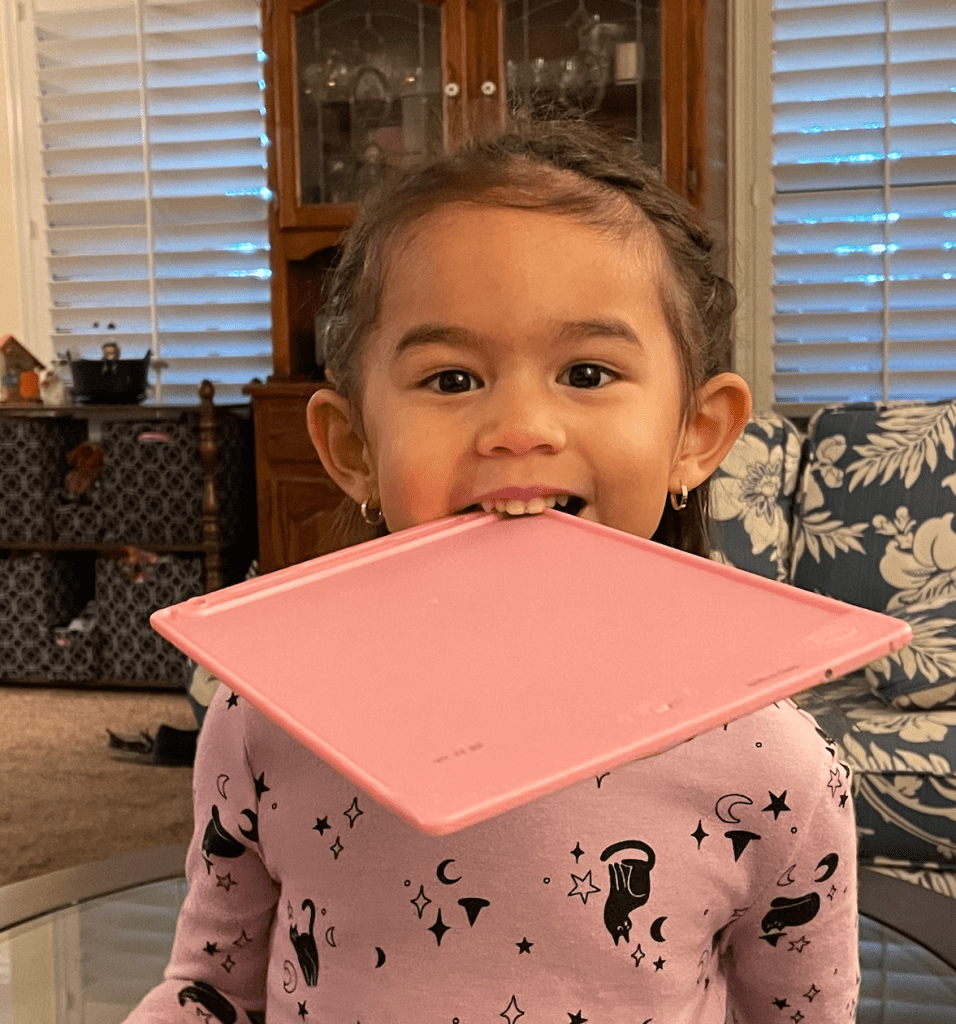
Today, December 3, my granddaughter, Scarlett, celebrates her fourth birthday. She is much better behaved than I was at that age. In fact, though she certainly has her moments, she’s an absolute delight. She is creative, intelligent, and playful, and she has an engaging sense of humor. I have the opportunity to spend some time with Scarlett almost every day, and the time spent with her nourishes my soul.
One can never know what the future holds for any four-year-old child. Will Scarlett be successful in school, in athletics, in music or art, or in the performing arts? Time will tell. For now, I’m happy to see her having opportunities to test the waters of a variety of activities to see which ones pique her interest and bring her happiness. One thing I know for certain, Scarlett is going to test the limits of every situation and environment, as every young child should.
As the second child in her family, Scarlett has already displayed several of the characteristics exhibited by her Dad (also a second child) when he was a little guy — and Steve turned out quite well.
With hope and gratitude, I wish Scarlett a wonderful Happy Birthday!
-
3rd Grade Visit

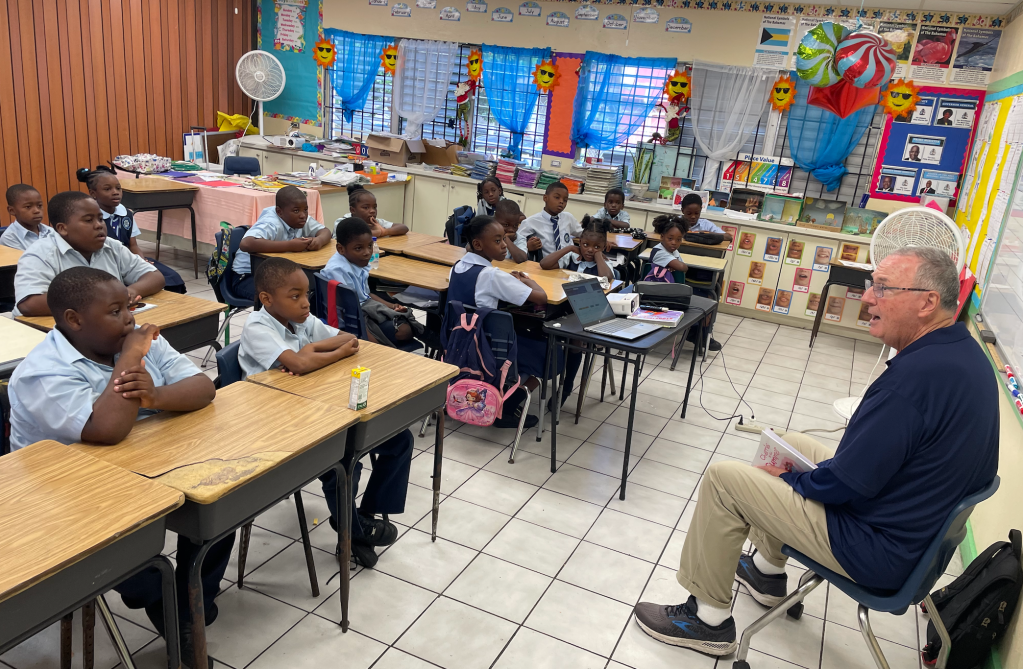
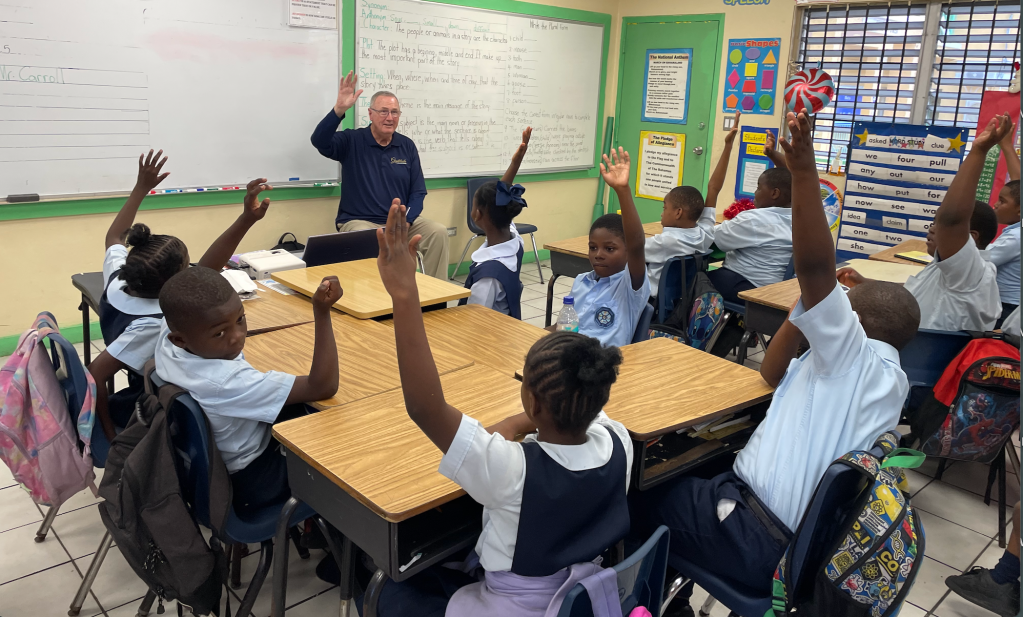
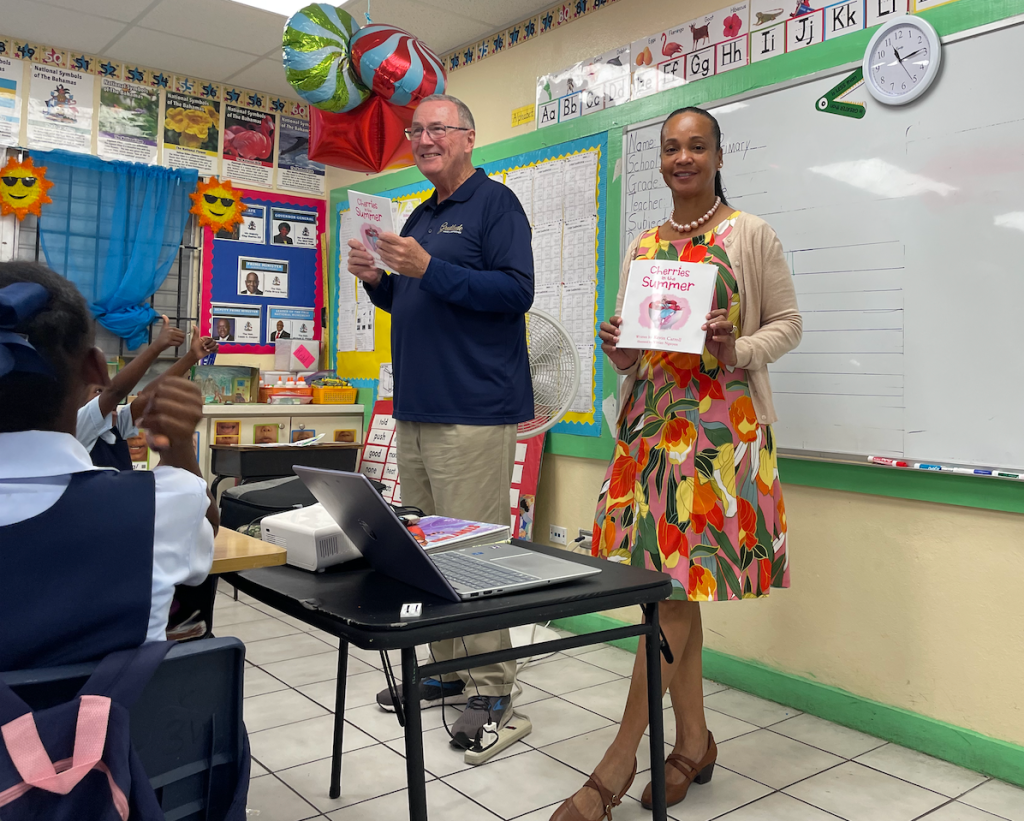
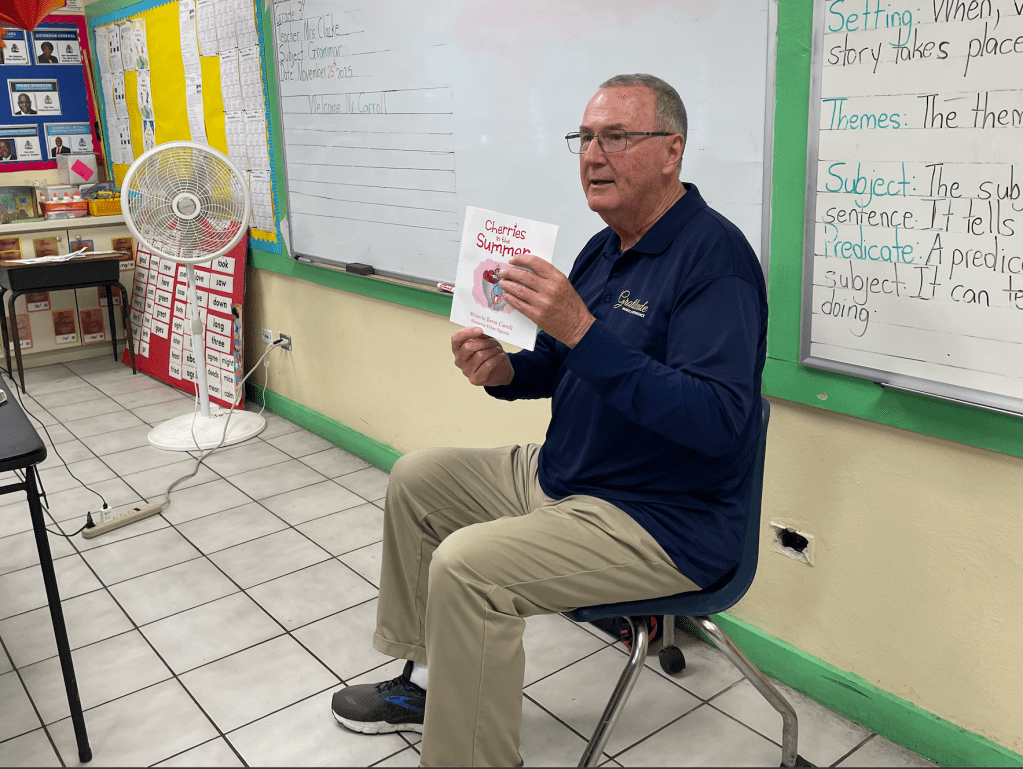
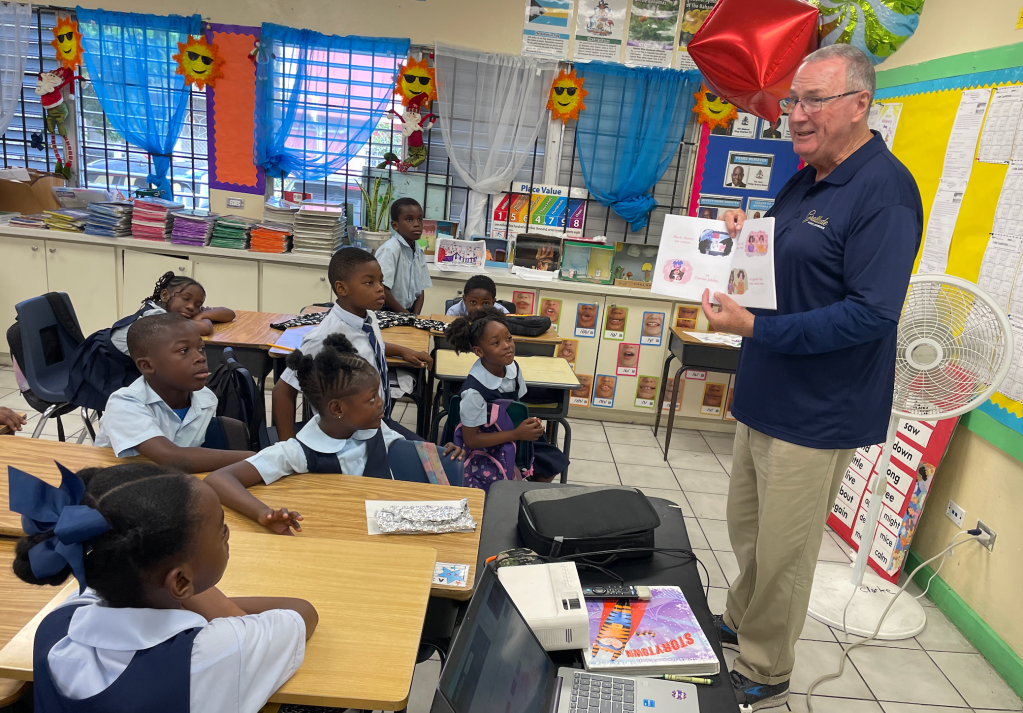
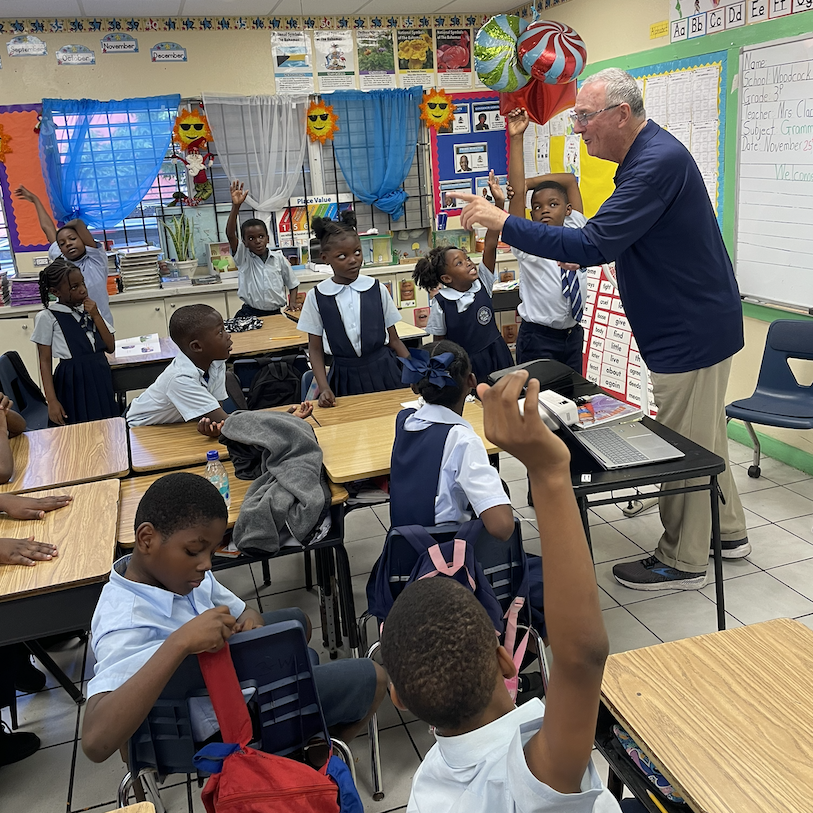
I am grateful to have had the opportunity to spend some time in the third-grade classroom of Mrs. Diana Clarke at Woodcock Primary School in Nassau last Wednesday. I read my book, Cherries in the Summer, to them, and gave one away to the only student in the classroom to share my birthday month of June. Enjoy the photos.



A M D G
-
What if…?
“Choices are the
hinges of destiny.”
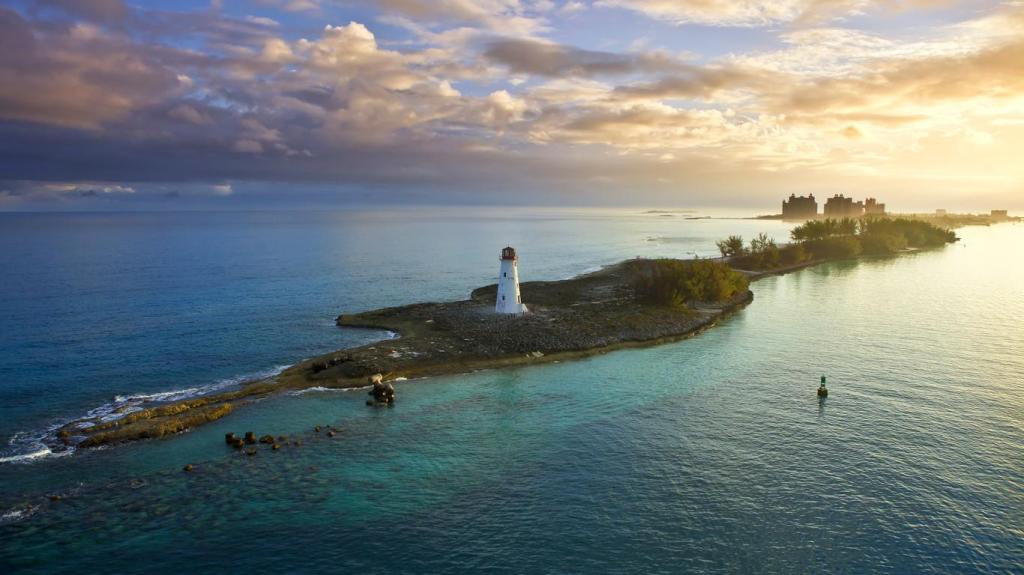
Edwin MarkhamIn the early spring of 1979, my final quarter of classes at Santa Clara University, I wrote a letter to Mr. Lou Adderley, the principal at Saint Augustine’s College here in Nassau, letting him know that I would be graduating in June and would like to return to teach at SAC in the fall. He responded immediately, offering me a job for the 1979-80 academic year. It was like a dream come true. From the time I left Nassau in August 1975, I had a strong desire to return to The Bahamas to teach and live.
In the next couple of months, things started falling into place in San José which led me to believe that, perhaps, returning to Nassau was not what God had planned for me after all. I was offered the opportunity to move into a cozy, 2-bedroom home in Santa Clara for a mere $200 per month. Then I received an unsolicited phone call from the principal at Saint Christopher School in San José offering me a teaching position. I owned a reliable 1972 Volkswagen bug which met my transportation needs. I started reflecting on what life would be like living on an island almost 3,000 miles from my family and friends, a place where I would have to find an apartment to live and a vehicle to get me to school and back each day. Despite my strong desire to return to Saint Augustine’s College, the practicality of doing so made it seem like an unwise decision. I wrote to Mr. Adderley, shared my concerns and feelings, and regretfully informed him that I would not be returning to SAC. It was one of the most difficult decisions in my life.
I’ve spent the last two weeks here in Nassau. On more than one occasion, I reflected on the question “What if…?” How might my life be different today if I had moved here in 1979 to begin a prolonged teaching career here on the island? What if I joined my colleagues at SAC in a lifelong teaching career in Nassau?
Of course, I’ll never know. That’s not the path I chose to follow. If I had returned to teach at Saint Augustine’s College, would I have made a lifelong commitment to living here? Would I have made the effort to earn a Master’s degree? With whom would I have spent my free time? Would I ever have met someone, married, and had children here on the island? I reflect on these questions every now and then, but even more so this week.
Being back in Nassau these past two weeks has given me the opportunity to look around and imagine what it might have been like if I had not made the decision to stay in my comfort zone in San José. My familiarity with the island has allowed me to feel very much at home here. I know my way around. Even after fifty years, I remember street names, how to get from one place to another, and how to navigate the roads driving on the left-hand side of the street. Saint Augustine’s College continues to thrive, and running into former students around the island has been an amazing experience.
We all make decisions in our lives. Each one of us reaches that fork in the road of which Robert Frost speaks in his proverbial poem The Road Not Taken, and like Frost, many of us regret that we could not travel both.
-
Feels Like Home
“A nation’s culture resides
in the hearts and in the soul
of its people.”
GandhiWhen two adult natives of San Francisco meet, it doesn’t take long before one of them asks “the question.” It’s a very San Francisco question: “So where’d you go to school?” There is no doubt in the mind of either of them that the inquiry refers to the high school they attended — not the elementary school and not the university. Their answer to “the question,” along with the follow-up question, “What year did you get out?” provides all the information they need to engage in a lively conversation about the multitude of mutual friends they have, other people they know in common, and the places and events both experienced during those memorable high school years.
Here in Nassau, in The Bahamas, I find it fascinating to ask a similar question. When I meet someone on the island who was born and raised here, I ask, “Where did you go to high school?” Unlike San Francisco, it’s necessary to specify “high school” when asking the question. The person’s answer to this question, much like the similar inquiry in The City, opens doors to engaging conversations.
Yesterday, I met a couple who own a rental property directly across the street from where I’m staying. I introduced myself, told them I was renting a room for a week across the street, and asked them where they attended high school. Marcus said he went to Saint Augustine’s College. Then, speaking on his wife’s behalf, he said, “She want to Queen’s College.” I looked at the woman and said, with a smile on my face, “Oh, you’re a Comet!”
Both of them were surprised that I would know that the mascot of Queen’s College is the Comet. Then I turned back to Marcus and asked what year he graduated from SAC. He informed me that he was in the class of 1992. I told him I had taught at SAC in the 1974-75 academic year. He replied, “That’s the year I was born!”
Of course, we had a delightful conversation about all the SAC teachers and administrators, and the monks from the monastery, who we knew in common, as well as a number of experiences we had both enjoyed during our SAC years. Prior to our conversation, we were strangers. That brief verbal exchange of information made us family. That’s just how it is here in Nassau.
I can’t help but think of the words of Irish poet William Butler Yeats, who said, “There are no strangers here; only friends you haven’t met yet.” This is true in San Francisco, and it’s equally applicable to life in Nassau.
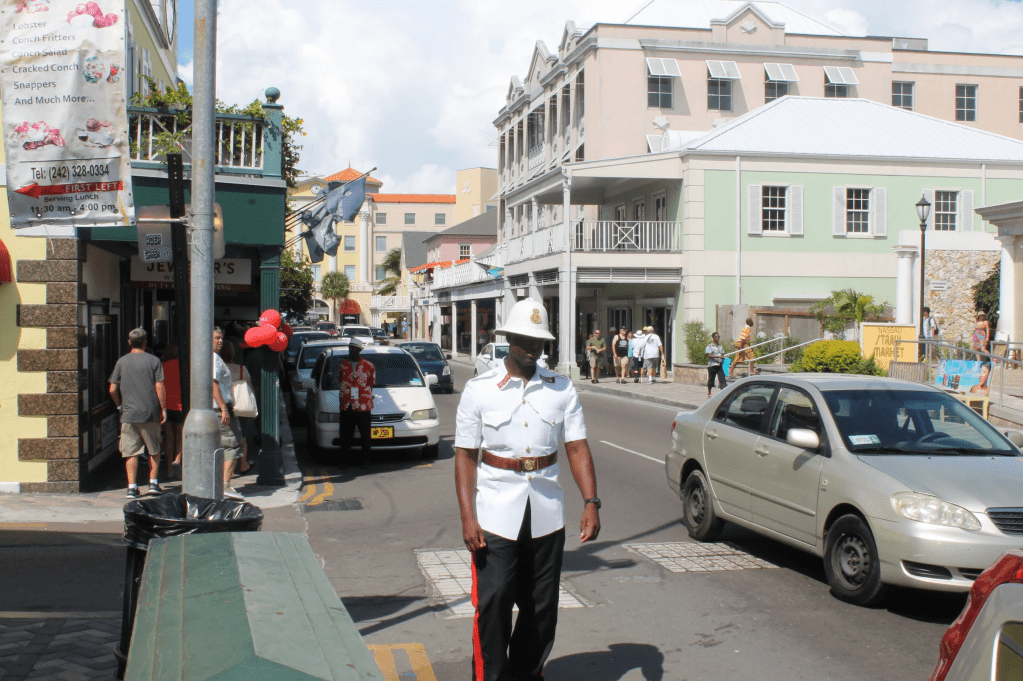
I’ve had similar conversations with local taxi drivers, restaurant workers, salespeople in stores along Bay Street, and with other customers in the local grocery store. It all begins with a simple “hello,” an acknowledgement that the other person exists — and Bahamians are quite proficient at greeting strangers. The hospitality of the Bahamian people is a tremendous gift to visitors to the islands. Perhaps each greeting is an investment in the primary industry here in Nassau — tourism.
Yes, any time I come to Nassau, it feels very much like home.
-
November 30
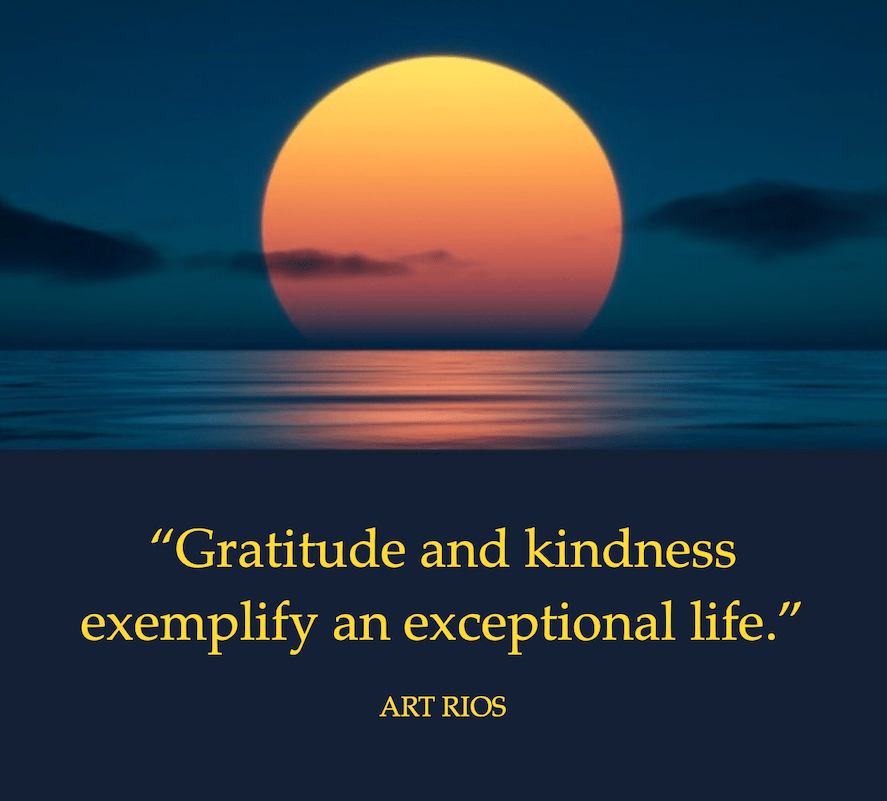
Reflection Question of the Day for November 30:
“As you reflect back on this month of November, for what experiences, opportunities, or events are you most grateful?”
Excerpt from:
A Focus on Gratitude
Kevin Carroll
(Balboa Press, 2024) -
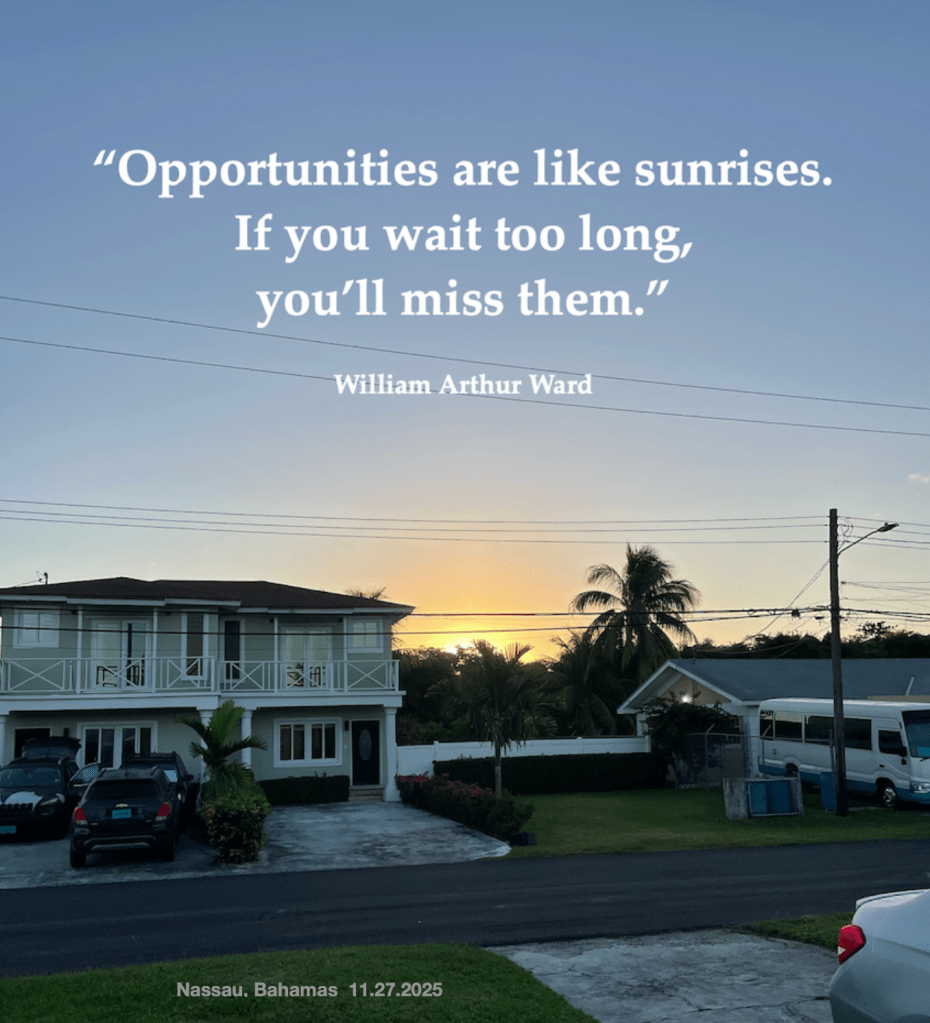
Opportunities
-
November 29

Reflection Question of the Day for November 29:
“As you reflect back on this month of November, for whom are you most grateful? What is it about this person that creates such a strong sense of gratitude in your heart?”
Excerpt from:
A Focus on Gratitude
Kevin Carroll
(Balboa Press, 2024) -
Nassau Kiwanis
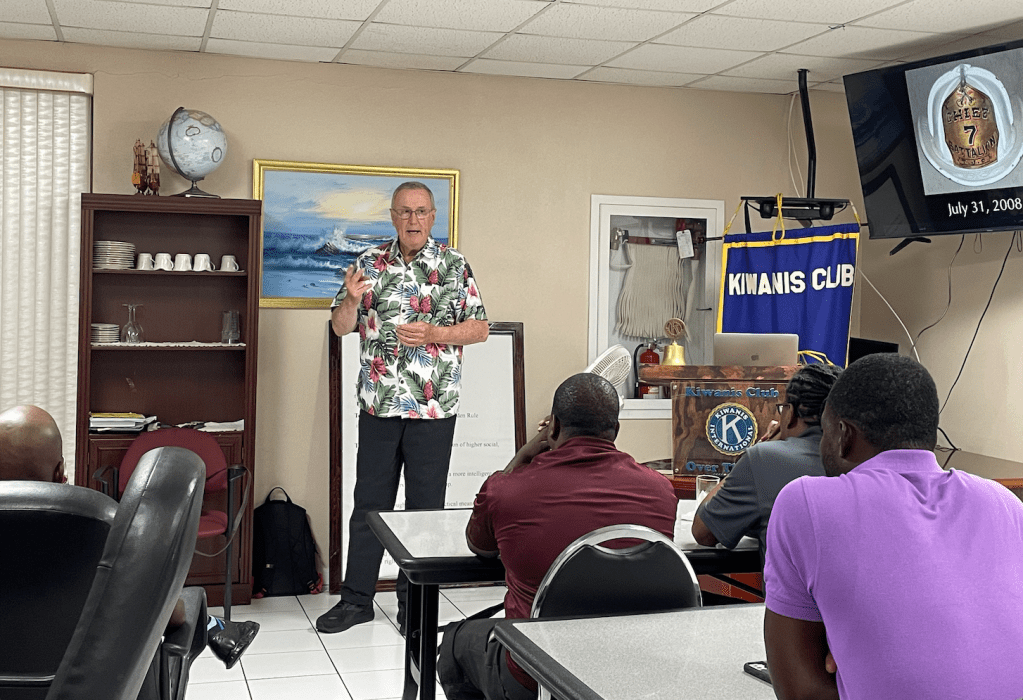
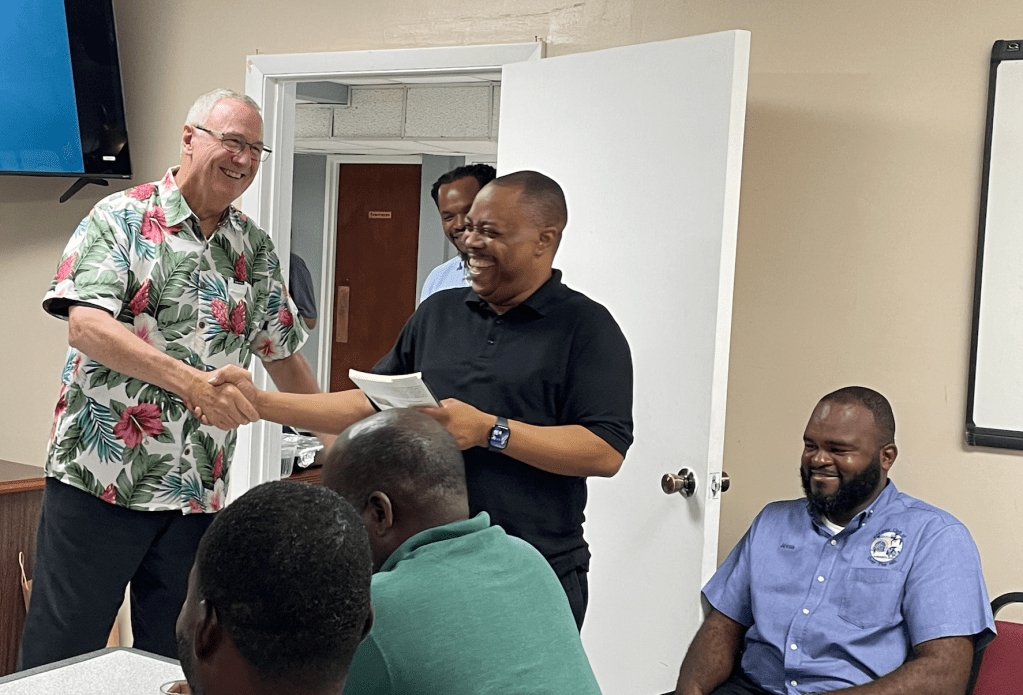
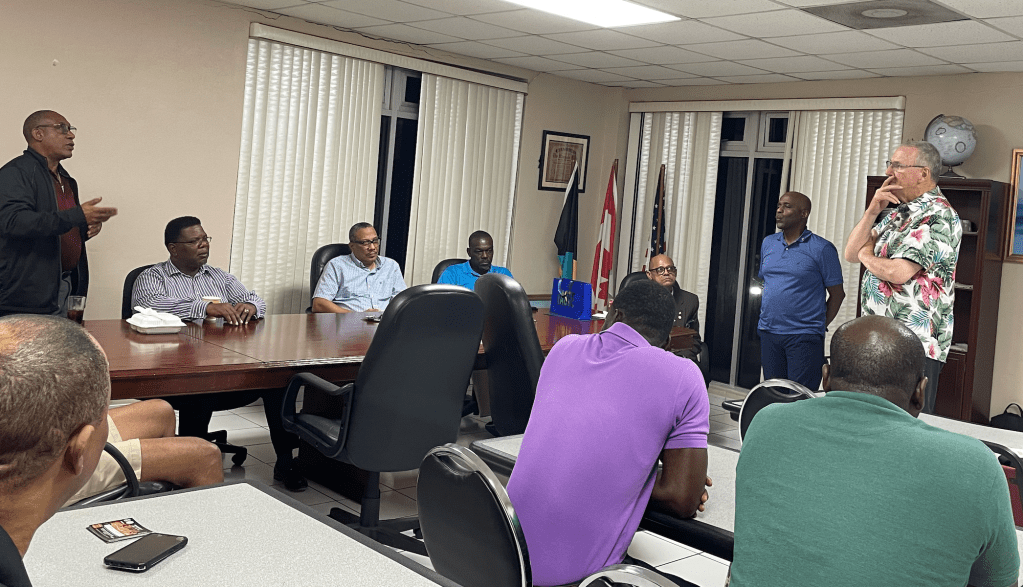
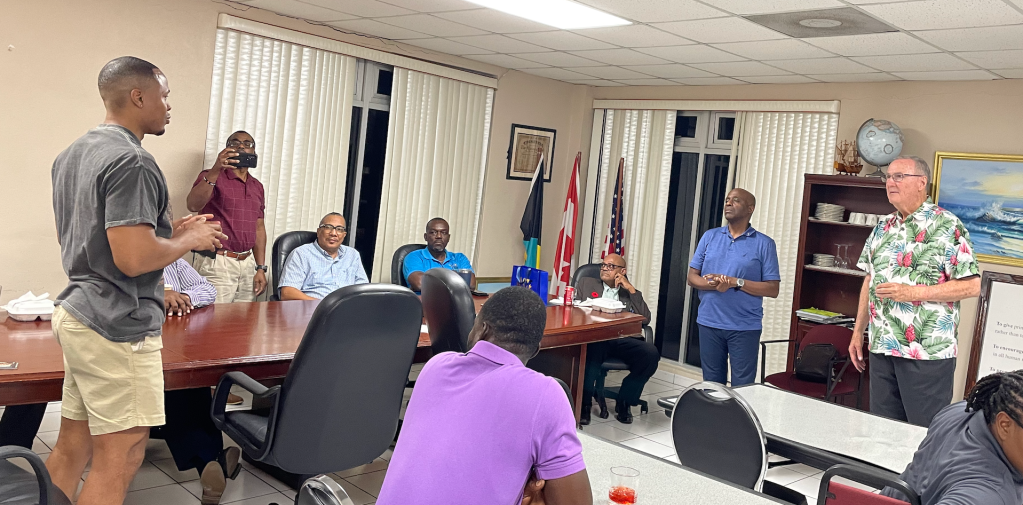
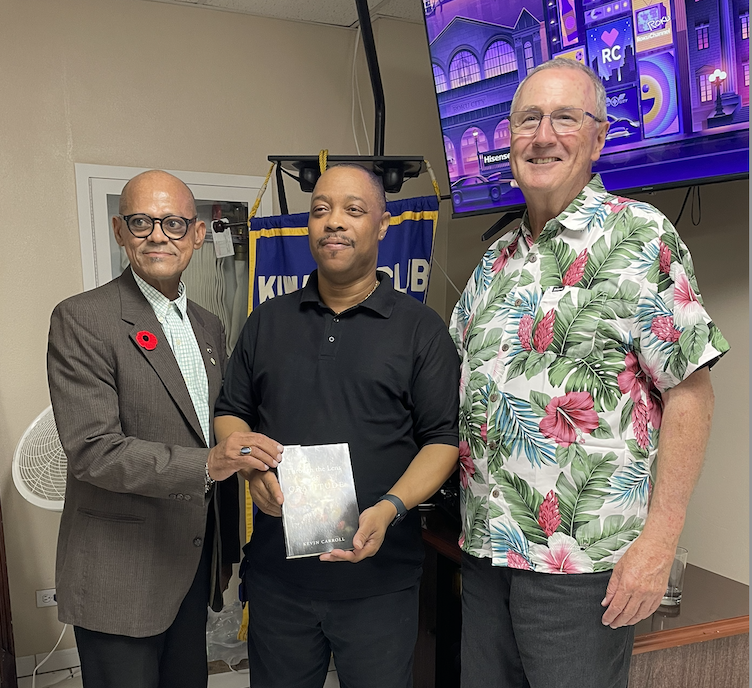
I had the distinct pleasure of speaking on the topic of gratitude at a meeting of the Kiwanis Club of Nassau last night. It was an absolute delight. About twenty gentlemen attended the event which was held in their meeting hall off what I used to know as Harrold Road. It has a new name now. Harrold Road was familiar to me, because when I taught in Nassau fifty years ago, that was the main artery between Saint Augustine’s College, where I lived and worked, and Cable Beach, where I often spent time relaxing and enjoying the water, sand, sun, and nightlife.
Again today, I will rely on photos telling the story of my experience last night.



-
Subscribe
Subscribed
Have a WordPress.com account? Log in now.

