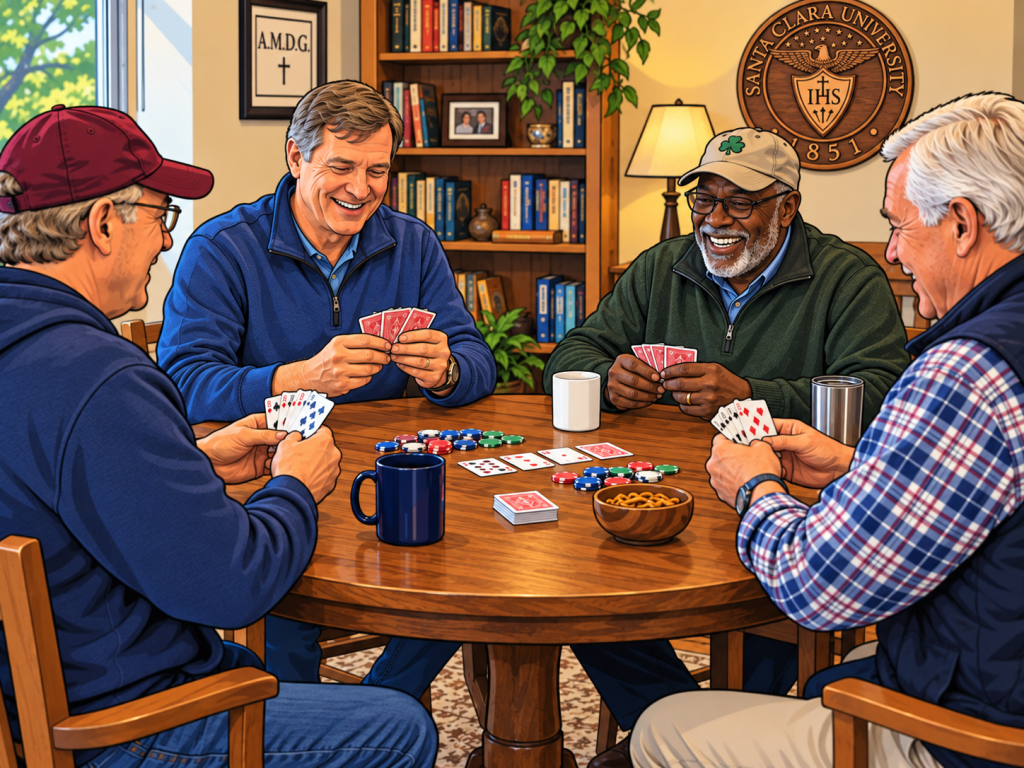
“We cannot change
the cards we are dealt,
just how we
play the hand.”
Randy Pausch
One of life’s most difficult lessons is recognizing that we are not in control of everything that happens to us. We make plans, pursue dreams, build relationships, and try to create the lives we want. Yet illness, loss, disappointment, aging, and the actions of other people can suddenly change those plans. Randy Pausch understood this reality in a profound way. After being diagnosed with pancreatic cancer and learning that he had only months of good health remaining, he could not change the hand he had been dealt. He could, however, choose how he would play it. His example reminds us that although we cannot control everything that happens to us, we can control our attitude, our actions, and how we respond.
Accepting what we cannot control is often difficult. We naturally want life to unfold according to our hopes and expectations. We may believe that if we work hard, make good decisions, and treat others well, things should turn out as we would like. Life offers no such guarantee. People become ill. Relationships change. Opportunities disappear. People we love die. We make mistakes that cannot be undone. Acceptance does not mean that these experiences do not hurt or that we should simply give up. It means recognizing reality rather than wasting our energy wishing that an unchangeable situation were different.
Once we recognize what we cannot control, an important question remains: What can I control? We can control how we respond. We can allow disappointment to make us bitter, or we can allow it to make us wiser. We can spend our lives regretting the past, or we can learn from it. We can respond to suffering by withdrawing from others, or we can become more compassionate because we understand suffering ourselves. We cannot always choose our circumstances, but we can choose the person we want to be within those circumstances.
Pausch demonstrated this freedom beautifully. About a month after learning that his pancreatic cancer diagnosis was terminal, he delivered The Last Lecture at Carnegie Mellon University, where he worked as a professor of computer science. Remarkably, his presentation was not primarily about dying. It was about living. He spoke about pursuing childhood dreams, overcoming obstacles, helping other people achieve their dreams, expressing gratitude, and making meaningful use of the time we are given. Pausch could not determine how much time remained in his life, but he could determine what he would do with that time.
His message applies to all of us because everyone eventually receives cards we would rather not have been dealt. Our circumstances may be very different from Pausch’s, but the challenge is the same. We cannot always change what happens. We can only decide what happens within us as a result.
None of us chooses every card in our hand. What matters is how we play those cards. Perhaps our greatest freedom is not controlling our circumstances but choosing courage over fear, gratitude over resentment, and love over bitterness. We may not choose the hand life deals us, but every day gives us another opportunity to decide how we will play it.


Leave a comment