“Choose to be
optimistic.
It feels better.”
Dalai Lama
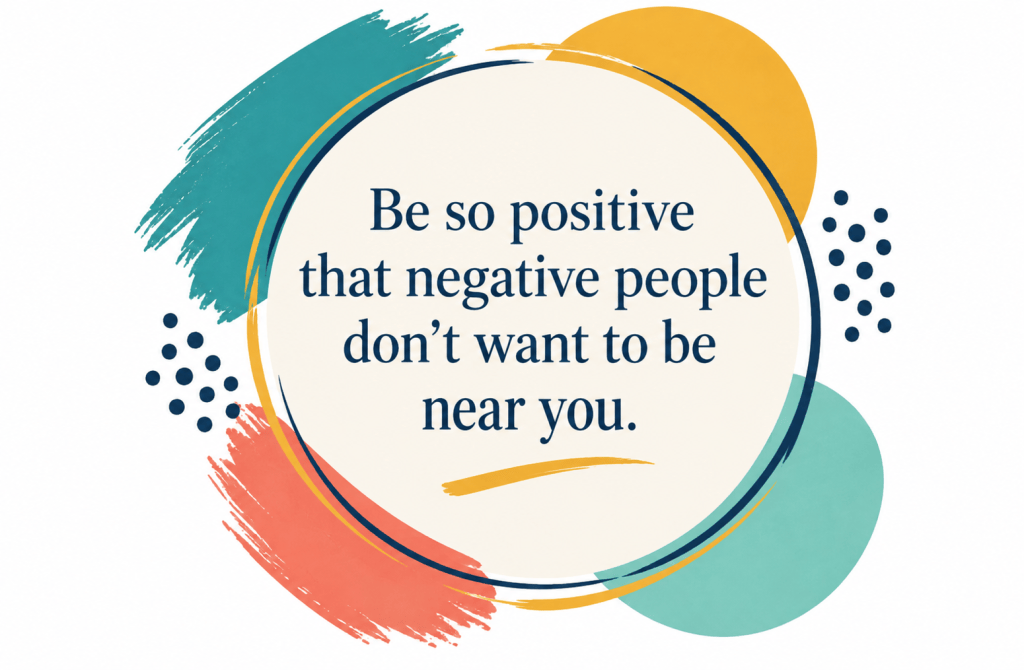
Most people I know would say, if they gave it much thought, that they try to be positive in their outlook on life. Being positive does not mean walking around with a smile on your face every minute of every day, or pretending that problems don’t exist. True positivity means choosing hope, gratitude, and a positive attitude even when life becomes difficult. An optimistic person looks for possibilities instead of only seeing problems. In fact, being genuinely positive can become so powerful that people who constantly focus on negativity may not even want to be around you. Fancy that!
Positive thinking can change the way we respond to everyday challenges. For example, instead of saying, “I messed up — I’m so terrible at this,” a positive person might think, “Yeah, things didn’t work out as I had hoped, but now I know what I need to improve upon.” This attitude turns mistakes into lessons, and setbacks into opportunities for growth. Positive people are not necessarily luckier than everyone else. They simply choose to focus on what they can control, well-aware that they can’t control every aspect of their life. As a result, they often become more confident and resilient.
Positivity can also influence the people around us. A kind word, a sincere compliment, a good sense of humor, or simply being willing to listen can brighten someone’s day. When people spend time with someone who encourages them rather than constantly criticizing or complaining, they may begin to feel more confident themselves. This, however, can create an awkward problem for extremely negative people. If someone enjoys complaining about everything, a positive person who keeps looking for solutions might become an uncomfortable companion. Eventually, the negative person might seek someone else with whom they can wallow in their negativity.
Still, being positive does not mean ignoring real problems or forcing ourselves to be cheerful when we are hurting. Everyone experiences disappointment, anger, and sadness. That’s all a part of the human experience. Positivity means acknowledging these feelings while refusing to let them control our entire outlook on life. It also means setting healthy boundaries with people who constantly bring negativity into our lives.
Ultimately, positivity is a daily choice. By practicing gratitude, encouraging those around us, learning from our mistakes, and focusing on solutions rather than problems, we can create a more positive life for ourselves and those around us. The goal is not to become unrealistically cheerful, but to be so genuinely and consistently positive that negative people decide they would rather avoid us.
As American journalist Germany Kent points out, “There is too much negativity in the world. Do your best to make sure you aren’t contributing to it.”


Leave a Reply