-

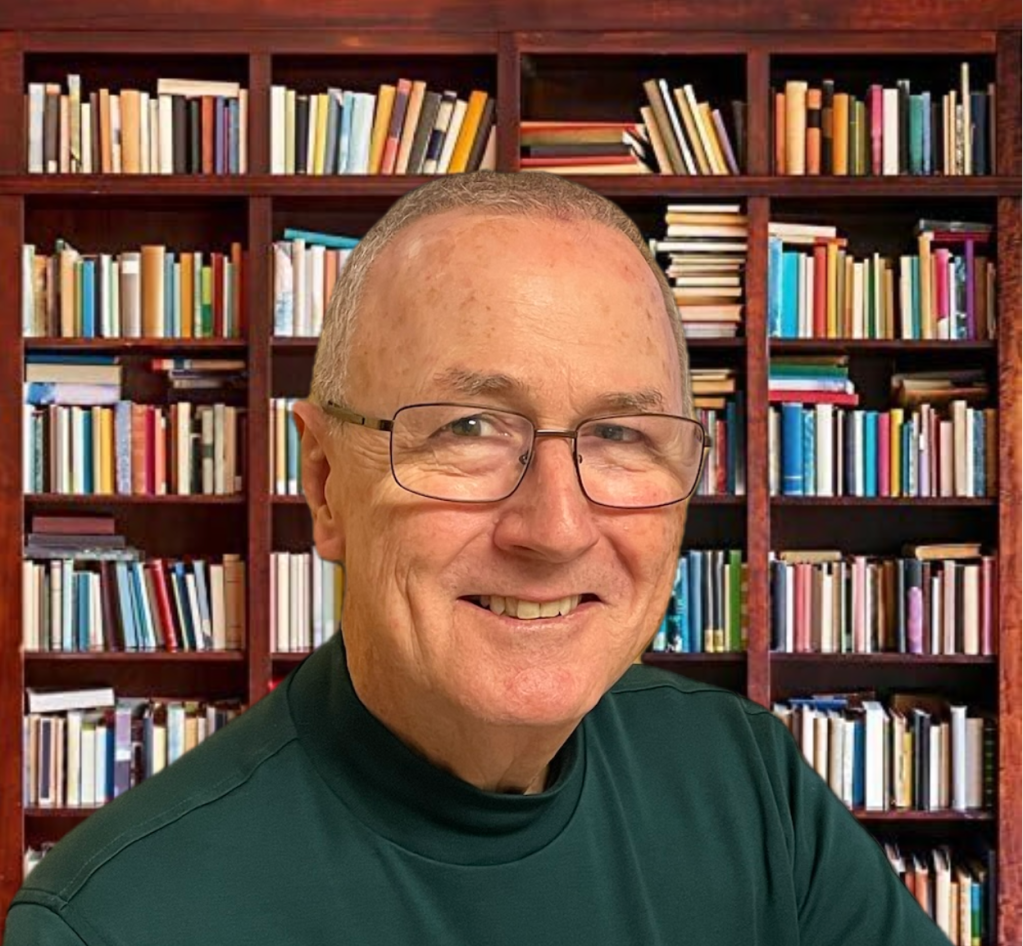
My name is Kevin Carroll. I was born and raised in San Francisco, California, where I attended Saint Ignatius College Preparatory. I am a graduate of both Santa Clara University and the University of San Francisco. Following a 40-year career in teaching and pastoral ministry, I launched a new career as a writer and speaker.
I live in San José, California. My wife, Kathy, and I have three adult sons and five precious grandchildren. I have much for which to be grateful.
I can be reached via email at kmc43sjc@gmail.com
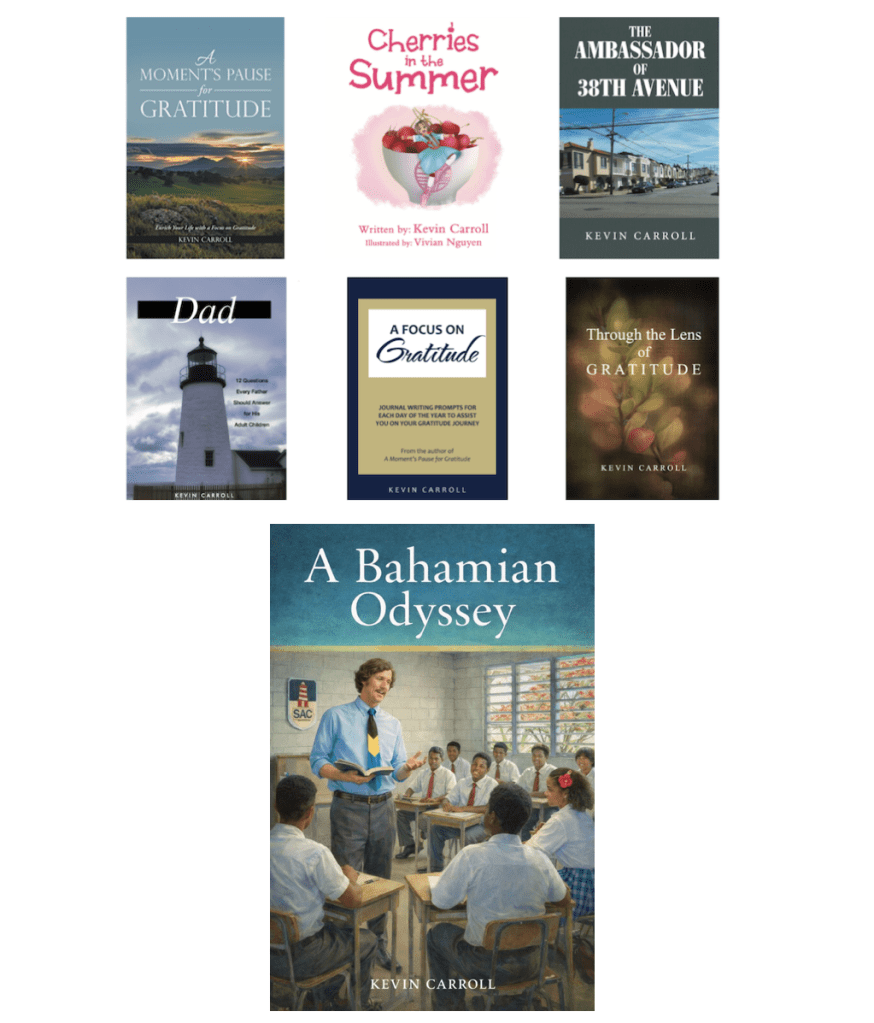
My books are available for purchase online from Amazon. I also have copies of some of these titles at my home for those who would like to buy them directly from me.
A Moment’s Pause for Gratitude (2017)
Cherries in the Summer (2021)
The Ambassador of 38th Avenue (2022)
Dad: 12 Questions… (2023)
A Focus on Gratitude (2024)
Through the Lens of Gratitude (2024)
A Bahamian Odyssey (2026)
-

- October 2026
- September 2026
- August 2026
- July 2026
- June 2026
- May 2026
- April 2026
- March 2026
- February 2026
- January 2026
- December 2025
- November 2025
- October 2025
- September 2025
- August 2025
- July 2025
- June 2025
- May 2025
- April 2025
- March 2025
- February 2025
- January 2025
- December 2024
- November 2024
- October 2024
- September 2024
- August 2024
- July 2024
- June 2024
- May 2024
- April 2024
- March 2024
- February 2024
- January 2024
- December 2023
- November 2023
- October 2023
- September 2023
- August 2023
- July 2023
- June 2023
- May 2023
- April 2023
- March 2023
- February 2023
- January 2023
- December 2022
- November 2022
-
01.26.23 – Missing Home

I’ve never been much of a gambler — on sporting events, in card games with friends, in popular casinos, or in life itself. I’ve been to Reno. I’ve been to Tahoe. I’ve even been to Vegas. Those gaming venues pale in comparison to the world-class casino I experienced on Paradise Island in the Bahamas in the mid-1970s.
The casino, which was linked to the Lowe’s Paradise Island Hotel and the Britannia Beach Hotel by indoor pedestrian walkways, offered a variety of gaming options. My partner in crime, Dan Pasini, and I were never tempted to risk our meager paychecks on the gaming tables. As full-time teachers at St. Augustine’s College in Nassau, we were issued work permits, which prohibited us from gambling in the casino.
Occasionally, Dan and I would venture across the Paradise Island Bridge to enjoy the excitement of tourists from around the world wagering staggering sums of money playing craps, roulette, and baccarat. It appeared that more moderate sums were wagered on the black jack tables. I was astounded to realize that many gamblers were betting more money on one roll of the dice than I was earning each month.
Although we did not gamble, we enjoyed walking around the casino and watching the tourists being tourists. We also found a restaurant, in the pedestrian walkway to the Britannia Beach Hotel, which we could actually afford. For a reasonable amount of cash, we could enjoy a bowl of conch chowder, a grilled cheese sandwich, and a glass of iced tea. We were grateful for that opportunity.
One Thursday night in the fall, we wandered down to the lobby of the Britannia Beach Hotel after dinner. Much to our surprise, there was a television in the lobby. Even more surprising to us was that Streets of San Francisco was being aired. I don’t think either of us was really homesick, but we made it a point to visit Paradise Island quite regularly on Thursday evenings throughout the academic year. On most nights, Dan and I were the only two watching TV.
I recall being grateful for the opportunity to see so many familiar sites around The City. Given that San Francisco is quite small (only 49 square miles), Dan and I were familiar with just about every neighborhood used to film the various episodes of the crime drama. I think our Thursday night visits to the Britannia Beach Hotel made it a little easier for two 20-year-olds living so far from home for the first time.
Today, the two hotels and the adjacent casino have been replaced by the high-end Atlantis Paradise Island Resort & Casino. I took a brief tour of the complex with one of my Bahamian friends in June 2006. While it was impressive, for sure, I missed the simplicity of the venue I’d come to know thirty years earlier. I also missed the familiarity I’d hoped to experience in my return to Nassau.
“Any change, even a change for the better,
is always accomplished by discomfort.”
Arnold Bennett -
01.25.23 – In Seven Words

I think it’s true that the more people speak, the less others listen. Unless we are particularly focused on what a person has to say, our attention span can be alarmingly limited. As a writer, I am constantly challenged to make my writing interesting without getting too wordy. When Fr. Michael Mitchell was appointed pastor of St. Lawrence Parish in Santa Clara back in the mid-1980s, he shared his philosophy of homilies with the parish community on his first Sunday with us: “Be brief, be witty, and be gone.” Seven simple words. In the years that followed, that phrase would accurately describe his reflections on the readings of the day. He was one of the best homilists I’ve encountered in my life. His three- to five-minute reflection on the Scriptures each Sunday was always worthy of my attention.
While much has been written by philosophers about various aspects of life and living, less voluminous, yet valuable, pearls of wisdom are available to us in more manageable seven-word quotes. Here are 25 such quotes worthy of our consideration.
1
“The best way out is always through.”
Robert Frost2
“Believe you can and you’re halfway there.”
Theodore Roosevelt3
“Always remember, your focus determines your reality.”
George Lucas4
“Failure is another stepping stone to greatness.”
Oprah5
“Fall seven times, but stand up eight.”
Japanese Proverb6
“Be yourself, everyone else is already taken.”
Oscar Wilde7
“Begin each day with a grateful heart.”
Brother David Steindl-Rast8
“There is no beauty without some strangeness.”
Edgar Allan Poe9
“The greatest pleasure of life is love.”
Euripides10
“Adjust your focus when life gets blurry.”
Syeda Faiza11
“Realize that everything connects to everything else.”
Leonardo Da Vinci12
“Life is an opportunity; benefit from it..”
Mother Teresa13
“Radiate boundless love towards the entire world.”
Buddha14
“Happiness is a direction, not a place.”
Sydney J. Harris15
“Every sunset is an opportunity to reset.”
Richie Norton16
“The sea cures all ailments of man.”
Plato17
“Seize the day, then let it go.”
Marty Rubin18
“You are enough just as you are.”
Meghan Markle19
“Today is the only day; yesterday’s gone.”
John Wooden20
“The desire to reach hearts is wise.”
Maya Angelou21
“Kind words cost little, but accomplish much.”
Hal Urban22
“Whatever you are, be a good one.”
Abraham Lincoln23
“You never know what you’re gonna get.”
Tom Hanks24
“Having a smart brain is not enough.”
Dalai Lama25
“Don’t raise your voice, improve your argument.”
Bishop Desmond TutuSeven words worth pondering. Seven words worth sharing. Just seven words… I took a quick look through my first book, A Moment’s Pause for Gratitude, and found that I had included this seven-word gem: “Everything we experience happens for a reason.” Simple. Profound. True.
I invite you to consider, and share, YOUR seven words of wisdom.
-
01.24.23 – “Good morning, Papa!”

We all have those little things that rub us the wrong way. Some call them “pet peeves.” One of my colleagues during my teaching days got incredibly annoyed whenever her students would click their pens repeatedly during class time. My oldest son, Tom, could not tolerate the sound of me rubbing my hands together in the car on a cold winter morning. And for those of us who had the pleasure of taking World History from Fr. Raymond Pallas, S.J. at St. Ignatius, he used a common pet peeve as punishment for student misbehavior in the classroom. He would drag his fingernails down the chalkboard in the front of the room, causing the hair to rise on the arms of just about every student. Not surprisingly, I have a few pet peeves of my own.
For example, it drives me nuts when I hear people say, “Me and…” Yes, I was an English major at Santa Clara University, but there are many educated people who don’t seem bothered by that common grammatical error. I’m not one of them.
Clutter is another one of my pet peeves. In years when I had to share classroom space with colleagues, I was annoyed when a room was left in disarray, or when the teacher left the room at the end of the period without erasing the board. It’s such a simple courtesy to leave a workspace neat, clean, and ready for the next teacher.
I didn’t need to wear corrective lenses until I was 42 years old. At that time, I realized that my arms were not long enough to hold an item far enough away from my face so that I could read the label. After twenty-six years of wearing glasses, one particular issue continues to bother me. I don’t like it when my lenses are dirty. Most often, I am the one responsible for the condition of my lenses, but now that I have grandchildren,… Yeah, I think you know what I’m saying. Sometimes, however, I just can’t get upset by the inconvenience of fingerprints on my glasses. Today is one of those days.
Penny and Scarlett arrived around 7:00 this morning. Kathy, with a little help from me, takes care of the girls in our home four days each week while our son, Steve, and his wife, Morgan, go to work. It is a labor of love, but it’s not always easy. The challenge of caring for the girls is far outweighed by the experience of unconditional love we receive from them.
This morning, I was asleep in bed when the girls arrived. I heard them come in, but I wasn’t ready to get up yet. A few minutes later, I sensed that Penny was standing next to the bed. I kept my eyes closed. I was wondering what she would do. In the most gentle way, she said, “Good morning, Papa!” I slowly opened my eyes and gave her a big hug. “I want you to come downstairs,” she said. So, of course, I got up.
As I got out of bed, Penny walked over to the dresser, picked up my glasses, and brought them to me. Not surprisingly, her fingerprints smudged one of the lenses. It didn’t bother me at all. “Thank you so much,” I said to her. Penny smiled, then brought my slippers to me.
Is it possible for a day to begin any better than this? Sure my lenses were sullied, but I didn’t care. I was so grateful for the tenderness with which Penny cared for me this morning. I’m feeling especially blessed today.
-
01.23.23 – Guest Post
Today’s blog post was written by Ann Scapini Giluso, a graduate of St. Christopher School and Presentation High School in San José. While some may bristle at what she wrote, I can absolutely relate. We grew up in a different time, a different generation, a different world. Were we better off then than now? That’s for you to decide.
• • •
I grew up in San Jose, California. Never once did I question my parents income. It was never discussed. We didn’t eat a lot of fast food because it was considered a treat, not a food group. We drank Kool-Aid made from water, that came from our kitchen sink, and real sugar. We ate bologna sandwiches, or even tuna (which was in a can not a pouch), PB&J, grilled cheese, and hot dogs, but mostly we enjoyed homemade meals consisting of meat, potatoes, and vegetables.
We grew up during a time when we mowed lawns, pulled weeds, babysat, and helped neighbors with other chores to be able to earn our own money. By no means were we given everything we wanted.
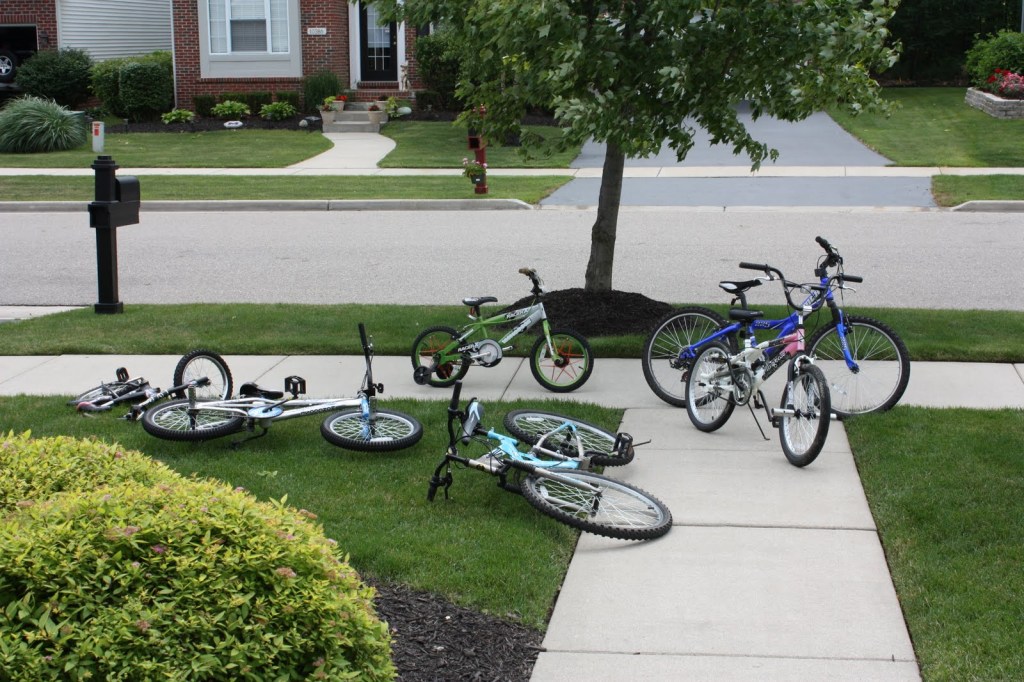
We went outside a lot to play, ride bikes, run with friends, play hide and seek, or go swimming. We rarely just sat inside. We drank water from the garden hose outside. Bottled water was unheard of. If we had a Coke, it was in a glass bottle, and we didn’t break the bottle when finished. We saved it and cashed it in at the store for a refund.
We watched TV shows like Leave It To Beaver, Gilligan’s Island, Happy Days, Bewitched, The Brady Bunch, Looney Tunes, The Flintstones, The Jetsons, Sanford and Son, The Wonderful World of Disney, McHales Navy, Andy Griffith, and I Love Lucy. Mom and Dad decided everything we watched or didn’t watch. After school, we came home and did homework and chores, before going outside or having friends over. We would ride our bikes for hours. We had to tell our parents where we were going, who we were going with, and we had to be home when the street lights came on!
We learned from our parents instead of disrespecting them, and never treated them as if they knew absolutely nothing. What they said was law, and we did not question it — and we had better know it!
We watched what we said around our elders because we knew if we disrespected any grown-up we would get our behinds whipped. It wasn’t called abuse. It was called discipline! We held doors open for people, carried groceries, and gave up our seat for an older person without being asked. We didn’t hear curse words on the radio, in songs, or on television, and if I cursed and got caught, I had a bar of soap stuck in my mouth.
“Please.” “Thank you.” “Yes, please.” “No, thank you. “Yes, ma’am. “No, ma’am.” “Yes, sir.” And “No, sir.” These were all part of our daily vocabulary!
It seems that the world we live in today is just so full of deception, division, hate, and disrespect for others. I will never forget where I came from and only wish that children these days had half the chance at the fun and respect for real life we grew up with! And we were never bored!
-
01.21.23 – Wow!
“Wow! Ski boots are really comfortable.”
~ No One EverI don’t ski. I don’t snowboard. In fact, I’ve never driven my car in snow and I have no desire to do so. Ever. As beautiful as it is in snow country, I am not at all inclined (pun intended) to visit the Sierras in the winter months.
My parents took my siblings and me on our one and only family snow trip to Squaw Valley, site of the 1960 Winter Olympics, over the St. Patrick’s Day weekend in 1967. We took a morning lesson and did our best to put what we learned into practice in the afternoon.
In March 1971, I participated in a weekend ski trip to Squaw Valley with the St. Brendan Parish (San Francisco) youth group. My high school classmate, Tony Kopas, and I did our best to navigate some of the less-challenging slopes on Saturday, but we decided not to use our Sunday lift tickets. Instead, we skated at the Squaw Valley Ice Arena with some friends we had met the day before, then rented snowmobiles and thoroughly enjoyed the afternoon.
In the early- to mid-1980s, while serving as the Director of Youth & Young Adult Ministries at St. Christopher Parish in San José and then at St. Lawrence Parish in Santa Clara, I organized a number of weekend and day trips to various ski areas. Weekend trips were to North Lake Tahoe, where the kids skied at Squaw Valley on Saturday and Northstar on Sunday. For the day trips, we went to Dodge Ridge, Bear Valley, or Sierra Ski Ranch. All the trips were quite successful, but instead of venturing out onto the slopes myself, I always stayed in the lodge where the kids would know where to find me. I enjoyed those trips immensely.
The March 1986 weekend ski trip with the St. Lawrence Young Adult Group was memorable for a number of reasons. Kathy and I had married the previous June. We were expecting our first child in early May. Needless to say, Kathy and I spent our days enjoying the warmth of the lodges at Squaw Valley and Northstar. While back at the motel in the small town of Tahoe Vista on Saturday night, it began to snow. Despite my many trips to the Sierras through the years, I had never seen falling snow. I opened the sliding glass door in our room and stepped out onto the balcony. What an amazing experience! It was captivating. I was most surprised by the silence. When it rains, I can hear the raindrops pelting the pavement, the patio furniture, or the deck of the balcony. The snow was different. It settled silently in the courtyard of the motel and on the railing of the balcony. It was one of those moments of awe in my life.
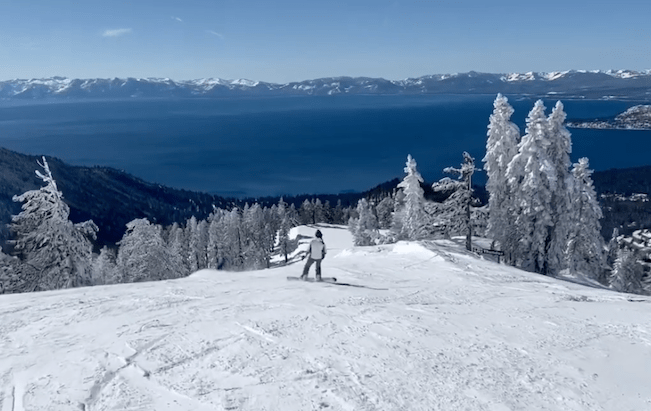
My decision to avoid skiing, and visiting the tops of the mountains during the winter months, has one particular disadvantage. I have never experienced a view like the one in the photo above. I saw this image in a Facebook advertisement for one of the ski areas and it caught my attention. All I could think was “Wow!” I don’t know for sure, but it appears that the snowboarder in the photo might have stopped briefly for the very same reason.
-
01.18.23 – So Much Wisdom

As I peruse the myriad posts on my Facebook feed each day, I’m constantly amazed by the plethora of pure garbage I find there. I guess that’s to be expected from social media today. Fortunately, however, when I’m patient and persistent enough, I eventually come across valuable gems worthy of serious consideration — things I wish I’d written, or ideas which hit home with me. These pearls of wisdom often inspire me to write articles which illustrate a connection between those words and my life.
The quote above, which seems to be attributed to no one in particular, consists of three brief sentences, all of which ring true in my life.
“The older you get, the more quiet you become.” — I don’t dwell on this much, but it’s true. My need, and even my desire, to interact with others is significantly less today than it was in my younger years. I enjoy being alone now. I appreciate and savor times of solitude. I still enjoy having others nearby, whether I’m at home, at a local coffee shop, or walking through my neighborhood, but other than a quick acknowledgement of their presence, I don’t feel the need to engage them in lengthy conversation.
“Life humbles you so deeply as you age.” — Oh, yes,… it most certainly does. As I recently posted on my own Facebook page, I’ve come to the realization that “God did not put us on this earth for us to see how important we could become, but to see how much difference we can make in the lives of others.” In other words, it’s not about me,… and it never was. As I look back on my life, I realize that there were many times when I thought I was important — times when I considered myself irreplaceable. Fortunately, I’m over it. I now see that despite all the effort I devoted to accomplishing things of value in my lifetime, I’m really just a pawn in the chess game of life.
“You realize how much nonsense you’ve wasted time on.” — This truly saddens me, because it is so true. On the chance that I could live to the ripe old age of 90, which is highly unlikely, I could divide my life into three equal parts. In the first thirty years, I prepared myself for adulthood. I went to school, worked a variety of part-time jobs, dated a number of women, and developed a sense of what I was being called to do in my life. The second thirty years was devoted to living out my adult life — starting a post-collegiate career, getting married, having a family, and doing my best to balance the challenges of all these responsibilities. For the most part, it was a wonderful time of my life. Like most experiences, however, it wasn’t all peaches and cream.
Only now, as I enjoy the early stage of the third period of my life, am I able to clearly recognize how much nonsense (my Thesaurus tells me that a synonym that could replace this word is bullshit!) I wasted my time on through the second thirty years of my life. There were situations I could have and should have just avoided. There were people I could have and should have simply ignored. There were conflicts into which I should never have allowed myself to be drawn. Yes, the older I get, the more I realize that there were other choices I could have and should have made.
I’m 68. I’ll be 69 in June. I’m not old, but I am most certainly older, a stage of life I am enjoying immensely and appreciating increasingly day by day.
-
01.16.23 – No, Thank You!
“Never complain about the officiating.
It does no good. During the game,
I don’t want to be fighting two opponents.”~ Coach John Wooden
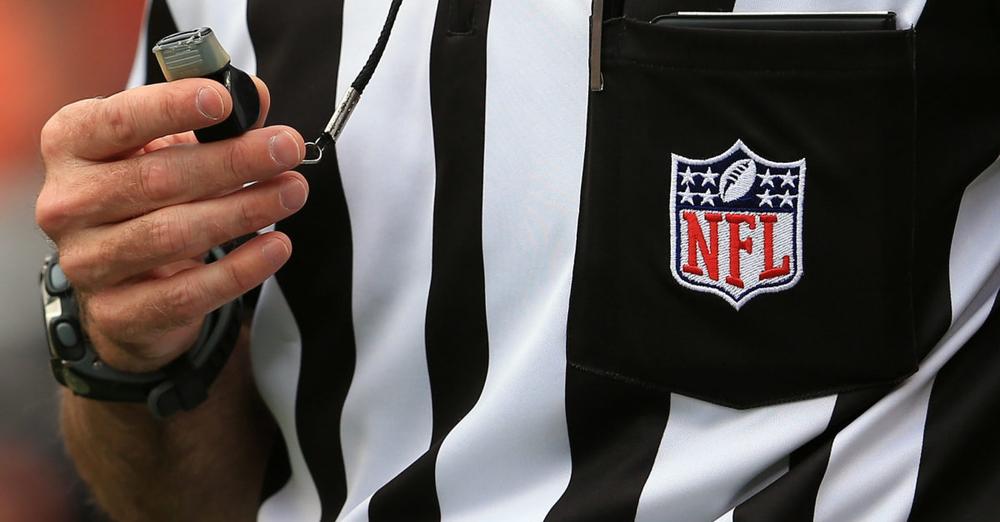
In light of my previous post, I guess it’s no surprise that I would begin this article with another quote by the incredible John Wooden. Coach Wooden’s name is normally associated with basketball, leadership, and life lessons. I don’t know that I’ve ever heard his name brought up in a discussion about professional football, yet his words quoted above might be invaluable for any number of coaches, players, or fans of sports at all levels.
The officiating of sports can be somewhat problematic. It’s an imperfect science. Ideally, college game officials would be better than those at the high school level. There is certainly an expectation that those officiating professional football would be even better than those at the collegiate level. Still, the men and women who wear the black and white stripes are human. And humans are imperfect.
Even the replay officials have been criticized recently for making some calls that seemed inconceivable to those watching the game. It is important for us to remember that, despite all the technology at their disposal, they, too, are human.
Author Drew Curtis made an excellent point when he wrote, “You don’t notice the referee during the game unless he makes a bad call” — or, perhaps, unless you think he made a bad call. It amazes me that, given the number of split-second decisions a game official must make, most calls, whether we like them or not, are accurate.
Mistakes will be made. For this reason, I appreciate the voice of reason offered by Scottish footballer Jock Stein who said, “If you’re good enough, the referee doesn’t matter.”
Would I like to be a game official? No, thank you! For many people, the game of football — or any sport, for that matter — is serious business. Very serious business. For this reason, I think it’s helpful to look on the lighter side of things from time to time. I appreciate the humor comedian Jay Leno shared about officiating in sports:
“I wanted to have a career in sports when I
was young, but I had to give up the idea.
I’m only six feet tall, so I couldn’t play basketball.
I’m only 190 pounds, so I couldn’t play football.
And I have 20/20 vision, so I couldn’t be a referee.” -
01.15.23 – A True Gentleman
“Coach Wooden was a humble, private man who
selflessly gave up his life to make other people’s lives better…
He gave us the necessary tools to overcome the
adversity and obstacles that he knew from the beginning
would always be in our way.”~ Bill Walton
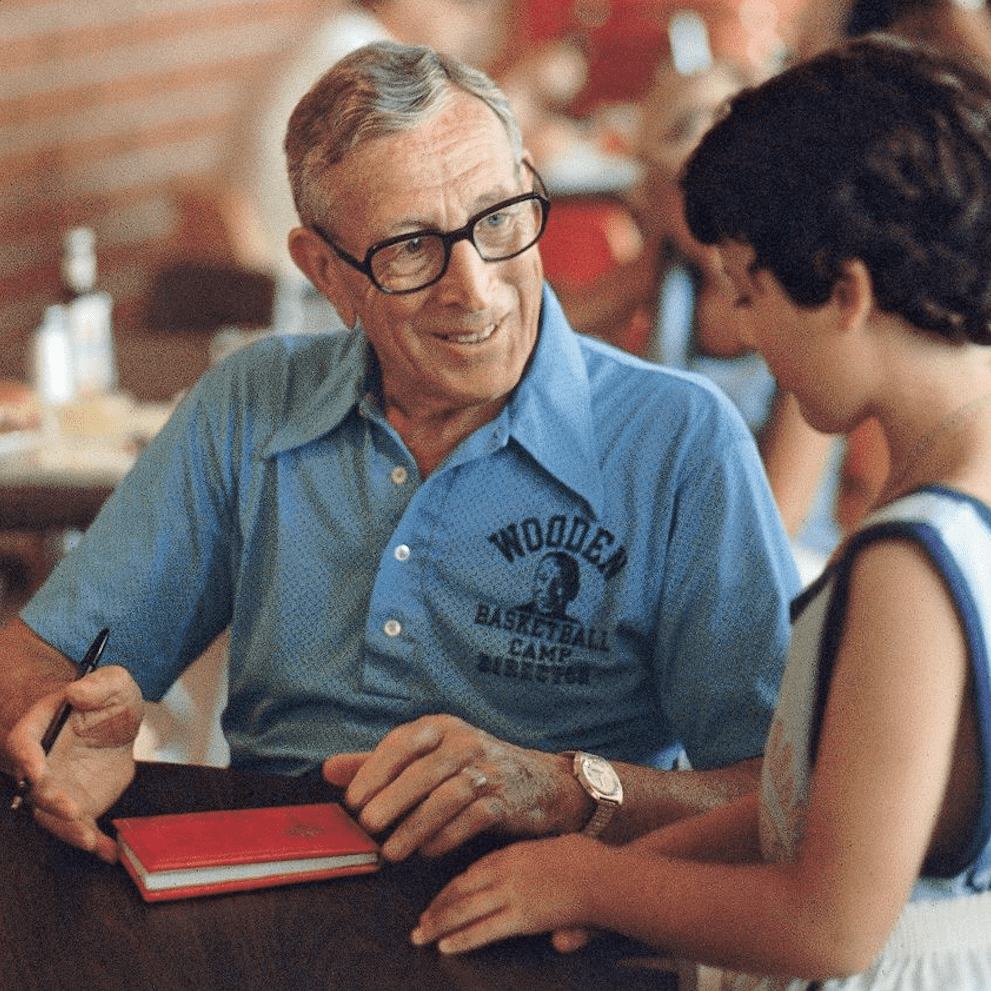
Steve Jamison is a bestselling author who is considered to be the preeminent authority on the life, leadership, and legacy of former UCLA men’s basketball coach John Wooden. In the preface to the 1979 book Wooden: A Lifetime of Observations and Reflections On and Off the Court, which he co-authored with Coach Wooden, Jamison wrote these words:
“Coach Wooden is pure of heart, modest, trusting,
humble, understated, serene, without pretense
or hidden agenda, sincere, straightforward,
intelligent, quick, confident, and filled with such
profound human decency and tremendous
inner strength that it is humbling.”Wow! Could anyone possibly live up to such a depiction? The answer is a definitive “Yes.” In fact, these are just a few of the positive traits which have been used to describe the man who was so much more than just a college basketball coach. Yes, UCLA won ten National Championships during the Wooden era, and yes, his teams had an 88-game winning streak in the early ‘70s, yet these achievements pale in comparison to the profound difference he made in the lives of the young men he coached.
I had the pleasure of meeting Coach Wooden in June 1974. One of my jobs at that time was serving as the liaison between Bellarmine College Preparatory in San José and various organizations who rented the school facilities, particularly the Bellarmine dormitory where I lived. One of the first groups to occupy the dorm that summer was the Wooden-Sharman Basketball Camp. Coach Wooden collaborated with Bill Sharman, the head coach of the Los Angeles Lakers at that time, to offer a ten-day program for young boys to improve their basketball skills.
One particular morning, when I went to the dining hall for an early breakfast, I was surprised to find that Coach Wooden had arrived before me and was already seated enjoying his meal. I got my breakfast in the kitchen and walked out to the dining area. Given that he was the only other person in the large hall, I asked if I could join him at his table. He kindly agreed.
In less than an hour of conversation, I became a fan of Coach Wooden. In fact, I would even say I became a protégé of the legendary coach, even though we never met again after that week. He was quite comfortable sharing the stories about experiences he had endured and lessons he had learned which had changed his life for the better. Before he checked-out at the end of the week, he provided me with a handout on the mechanics of free throw shooting, a copy of his Pyramid of Success, and a desire to learn more about this amazing man.
Even though our paths never crossed after that summer, I have always considered Coach Wooden to be a valued mentor. I’ve read (and re-read) several books written by him and about him. I’ve listened multiple times to a TED Talk he recorded in March 2009. I have also made an effort, though often unsuccessfully, to emulate the integrity with which he lived his life. Coach Wooden was definitely one of a kind.
-
01.14.23 – Invisible People

“I wonder how many people
I’ve looked at all my life
and never seen.”~ John Steinbeck
These words from American author John Steinbeck can be found in his book, The Winter of Our Discontent, the last novel he published. While a major theme of this work is the effect of societal pressure, this is not what I want to write about today. Rather, I’d like to focus on the quote above. I find these words to be both challenging and a bit bothersome.There are many needs we have as humans: love, appreciation, and recognition, to name a few. It’s this last need — recognition — that comes to mind when I ponder Steinbeck’s words above. I’m fairly certain that I’m not alone in wondering how many people in my life, people I have encountered on a regular basis, I failed to acknowledge.
Some of these individuals, such as the homeless man or woman begging for money outside the local grocery store, may be people we notice, but consciously choose to ignore. Others, however, may be people with whom we feel we have no meaningful connection. This category of people might include the baristas at our local Starbucks, sales people in retail stores, postal service letter carriers, or landscapers who maintain the property where we live or work. Others in this category might include receptionists in offices, random people walking around in our neighborhood, or coworkers with whom we have minimal direct contact.
Unfortunately, it is quite common that people fail to see some of their neighbors — the elderly in the community, or people with disabilities. Some of these individuals describe the experience of feeling invisible, well aware that there are people who don’t want to see or acknowledge them.
So what are we supposed to do… say hello to every random person we pass on the street? Well, that IS a viable option. And why not? A simple nod of the head, accompanied by eye contact, lets the other person know that, if nothing else, you noticed them and acknowledged their presence. A gentle “Good morning!” can do the same thing. In fact, it might be the only “Good morning!” the person hears all day.
Steinbeck’s words challenge me to consider how many people I have ignored or taken for granted in my lifetime. I know I’m guilty of doing this, though as I’ve gotten older, I’ve made a more concerted effort to consciously acknowledge others, and even to engage them in conversation. More often than not, the experience of doing so has been positive. We all want and need to be loved, appreciated, and recognized by our fellow humans. I’m grateful for the opportunity to remind myself and others that no one deserves to be treated as though they were invisible.
-
01.09.23 – A What?
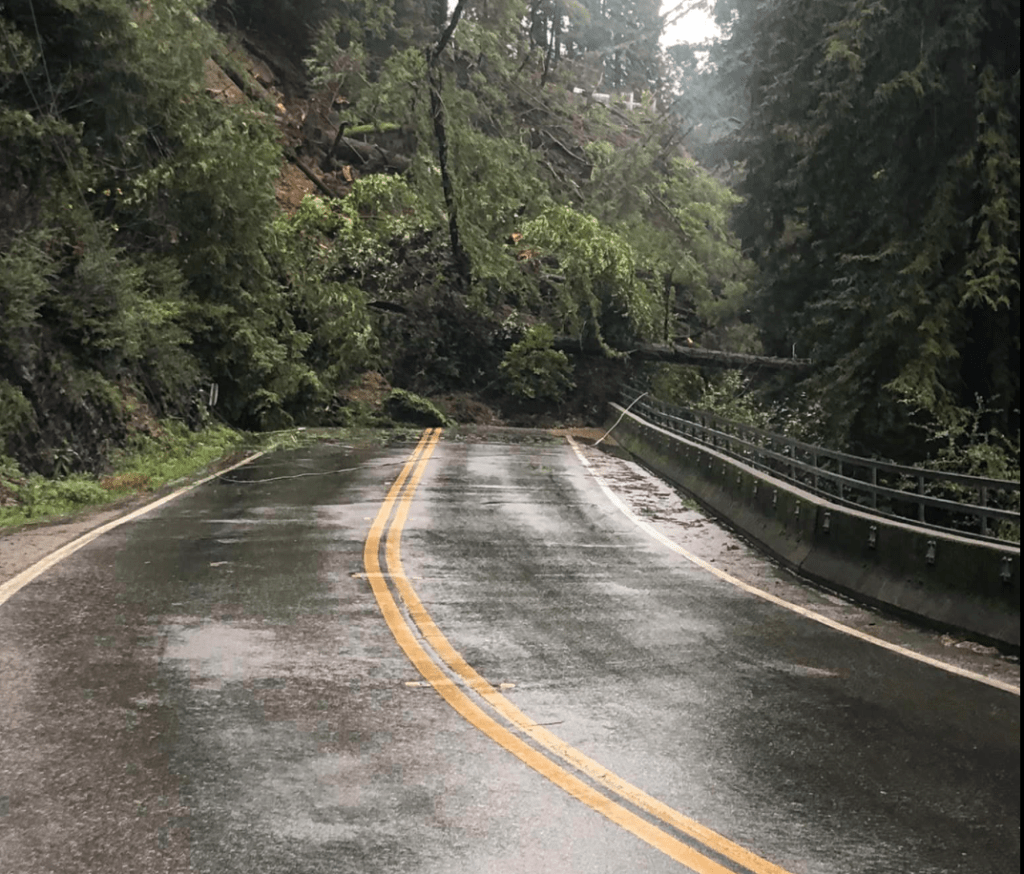
After several years of drought here in California, we are finally getting some rain. In fact, we’re getting quite a bit of rain. This is a good thing… in the long run. For the moment, however, the heavy rains, accompanied by strong winds, have caused a number of floods and mudslides throughout the Bay Area and up and down the California coastline. Not surprisingly, the weather here has been highlighted on both the local and national news.
It’s strange, though, that the national news reporters are using the term “bomb cyclone” to refer to the unusual conditions here. Local weather reporters have fallen in love with the term “atmospheric river,” which, I believe, is the same thing they used to call the “pineapple express,” since many of these storms originate near Hawaii. As for those of us living here, we simply call it “wind and rain.”
The conditions do seem severe, but I’m wondering if that is due to the fact that we have not experienced storms like these in quite some time. Certainly the region has experienced similar conditions in years past, but it’s been so long since we’ve gotten a good soaking over a prolonged period of time that we just don’t remember what it’s like to cope with such conditions. The strong winds just exacerbate the situation.
Fortunately, I have not yet been inconvenienced by the recent weather. There has been no flooding in my immediate area, and, so far, the trees in the neighborhood seem to be withstanding the elements heroically. I do think twice, however, about leaving home. If there is no absolute need to go somewhere, I’m happy to stay home. Scenes on the TV newscasts of mudslides, and of cars stuck on flooded roadways and underpasses, reinforce my desire to stay put.
Another significant wind and rain event will arrive about 2:00 a.m. tomorrow (Tuesday) morning. It is expected to continue through the morning commute. The afternoon should be fairly mild. I’m scheduled to drive my granddaughter to her preschool class at 8:30 a.m. The school is located in Saratoga. I’ll most certainly be checking both weather and road conditions before venturing out on the roads.
-
Subscribe
Subscribed
Have a WordPress.com account? Log in now.

