-

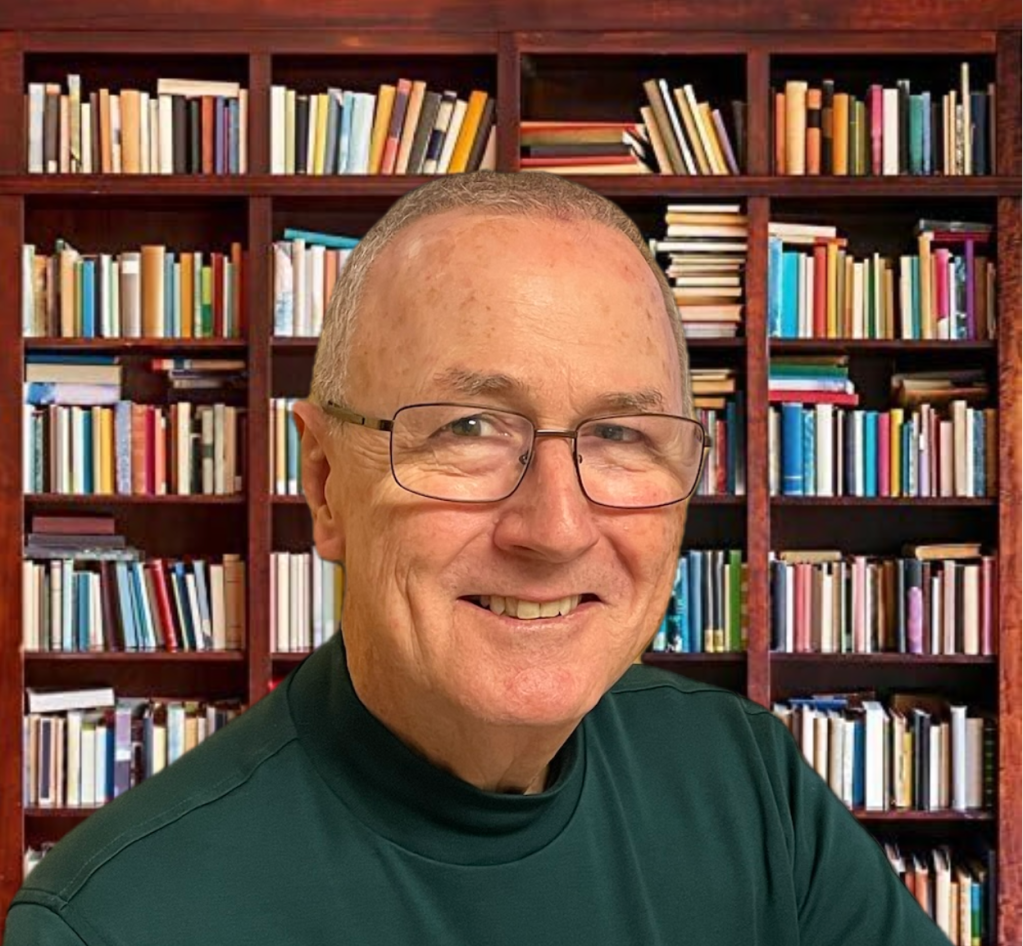
My name is Kevin Carroll. I was born and raised in San Francisco, California, where I attended Saint Ignatius College Preparatory. I am a graduate of both Santa Clara University and the University of San Francisco. Following a 40-year career in teaching and pastoral ministry, I launched a new career as a writer and speaker.
I live in San José, California. My wife, Kathy, and I have three adult sons and five precious grandchildren. I have much for which to be grateful.
I can be reached via email at kmc43sjc@gmail.com
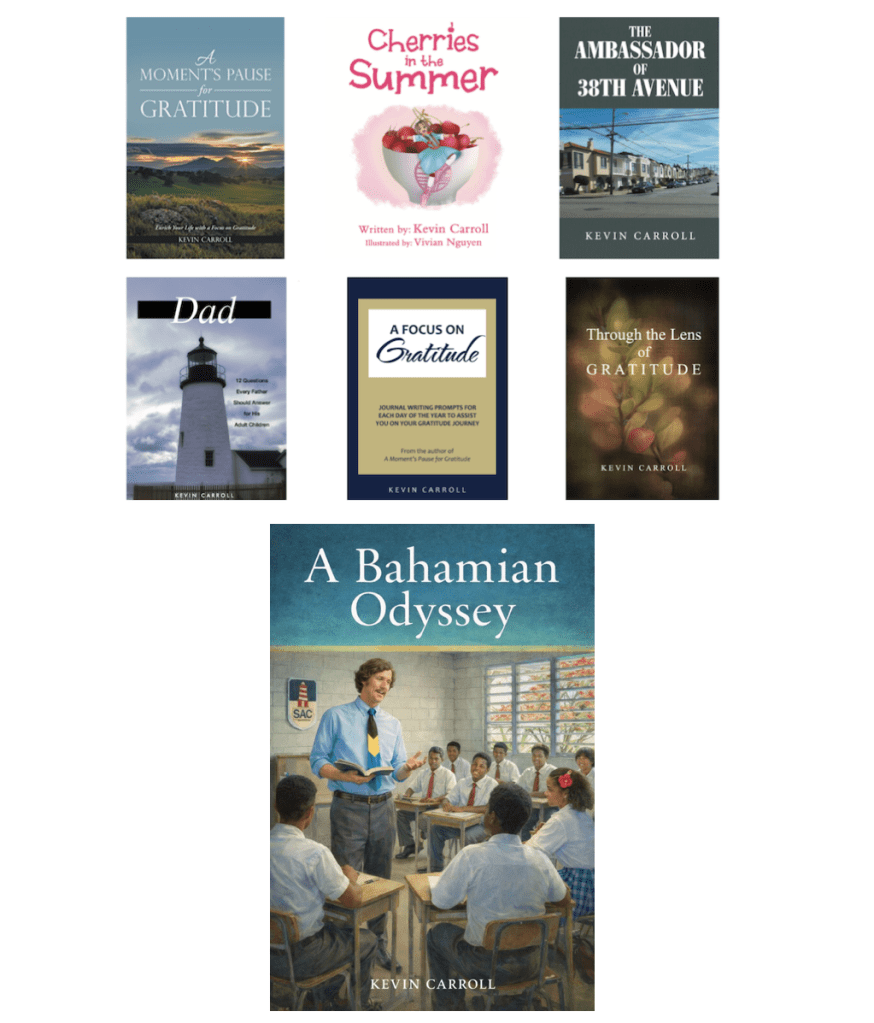
My books are available for purchase online from Amazon. I also have copies of some of these titles at my home for those who would like to buy them directly from me.
A Moment’s Pause for Gratitude (2017)
Cherries in the Summer (2021)
The Ambassador of 38th Avenue (2022)
Dad: 12 Questions… (2023)
A Focus on Gratitude (2024)
Through the Lens of Gratitude (2024)
A Bahamian Odyssey (2026)
-

- October 2026
- September 2026
- August 2026
- July 2026
- June 2026
- May 2026
- April 2026
- March 2026
- February 2026
- January 2026
- December 2025
- November 2025
- October 2025
- September 2025
- August 2025
- July 2025
- June 2025
- May 2025
- April 2025
- March 2025
- February 2025
- January 2025
- December 2024
- November 2024
- October 2024
- September 2024
- August 2024
- July 2024
- June 2024
- May 2024
- April 2024
- March 2024
- February 2024
- January 2024
- December 2023
- November 2023
- October 2023
- September 2023
- August 2023
- July 2023
- June 2023
- May 2023
- April 2023
- March 2023
- February 2023
- January 2023
- December 2022
- November 2022
-
Botch-ee Ball
“The friendships of
your youth leave
an everlasting
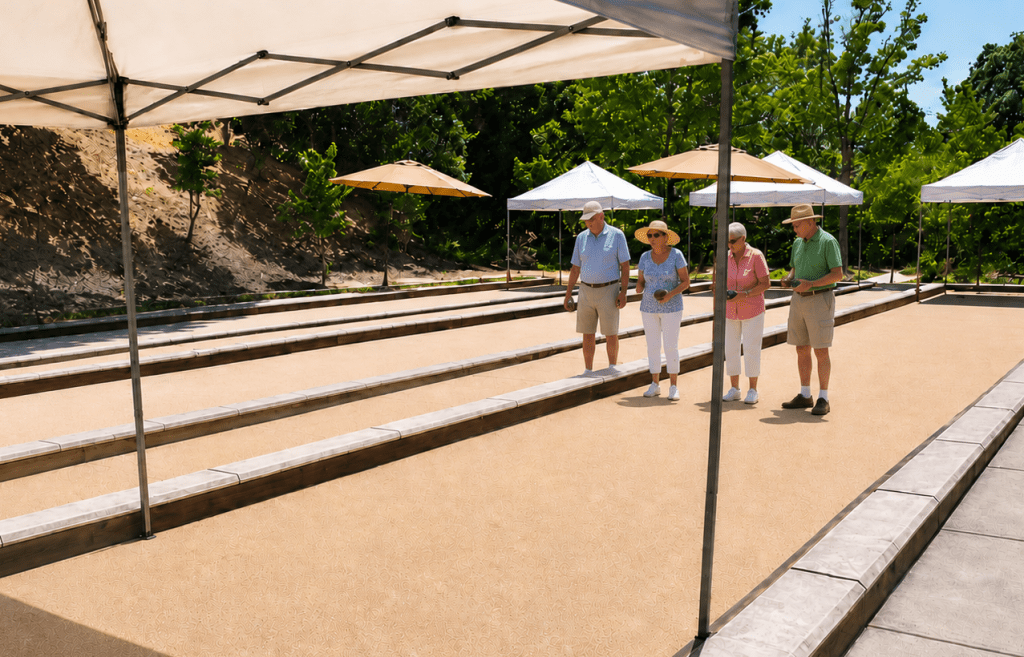
impact on your soul.”Yesterday was a perfect summer day in Walnut Creek for the annual Saint Gabriel Class of 1968 Bocce Ball Classic. More than a dozen class members, along with several significant others, gathered at Rossmoor, a retirement community which is home to two of our classmates. Pat Shanahan and Dan Reilly graciously hosted the event.
After a bit of socializing, we wandered from the picnic area to the bocce ball courts for the fun and games. Since some just wanted to watch instead of play, we needed only two courts. My wife, Kathy, and I teamed up with Joe Stark in what promised to be a highly non-competitive match against Colleen (Byrne) Castile and Debbie Clot. Little did we know that Colleen, who lives just across the road from Rossmoor and plays bocce ball on a regular basis on the Rossmoor courts, would illustrate to us how the game is meant to be played.
It’s a quite simple game, really. A little yellow ball is rolled down the playing surface past the midway point. Then each team attempts to get one of their four larger balls closest in proximity to the little yellow one. Piece of cake, right? Colleen informed us that the game would end when one team had ten points.
After the first round of balls had been rolled, Colleen and Debbie took a 1-0 lead. I assured my teammates that we had nothing to worry about. After the second and third rounds, we were down 5-0. I confidently encouraged Joe and Kathy to stay positive, as we still had plenty of time to make our comeback. At the end of the game, and it was a short game, we had been soundly defeated by Colleen and Debbie. The final score was 10-0. I can’t speak for Kathy or Joe, but what I played yesterday could be more accurately described as botch-ee ball!
Unfortunately, I can’t say anything about what happened on the other court. My full attention was focused on the humiliating loss we were enduring on our court. I’ve played bocce ball at Rossmoor in previous years. I don’t remember it being so darn challenging! Colleen and Debbie, however, made it look easy.
Having been convincingly humbled, we returned to the picnic area where we immediately forgot about everything that had happened at the bocce ball court and thoroughly enjoyed a bring-your-own-lunch feast. Pat and Dan provided water and a few dessert items, which included a box of delicious brownies which, I assured my friends, had no calories if you ate them standing up! Cathy (Koppel) Gibbs brought a tray of cupcakes to celebrate those of us who had birthdays in the month of June.
The food was good. The bocce ball competition was enjoyable, though humbling. The highlight of the day, as it has been with all the Class of ’68 gatherings I’ve attended in recent years, was simply being together, sharing stories and memories, catching up on each other’s lives, and being grateful that we still have the opportunity to get together.
This is something that, at our age, we cannot take for granted.
-
Who Knows?

“Death is not
a foe, but an
inevitable
adventure.”
Sir Oliver LodgeI came across an article a few months ago that stated, “The SSA (Social Security Administration) estimates a remaining life expectancy of 13.25 years for an exact age of 72.” What a coincidence! I turned 72 on June 4 of this year, so I did a bit of calculating. Using the prediction of the SSA, the estimated date of my death is September 4, 2039. I’ll be 85 years old at that time.
Generally speaking, I’m in fairly good health. At my annual physical two weeks ago, my weight was proportional to my height, my blood pressure was 116/61, my pulse rate was 62, and results of all the bloodwork were excellent. I walk an average of more than 5,000 steps per day, and on some days as many as 40,000 steps (20 miles). Despite these factors, I am well-aware that tomorrow is promised to no one.
I’m not afraid of death. My approach to dying is much like my overall approach to life: it is what it is. I have no control over many aspects of my life. Similarly, I have no control over the date of my death. I can, however, set a goal for myself — and I have.
For a variety of reasons, my goal is to live until July 31, 2043. I’ll be 89 years old at that time. Why this particular date? Intuition.
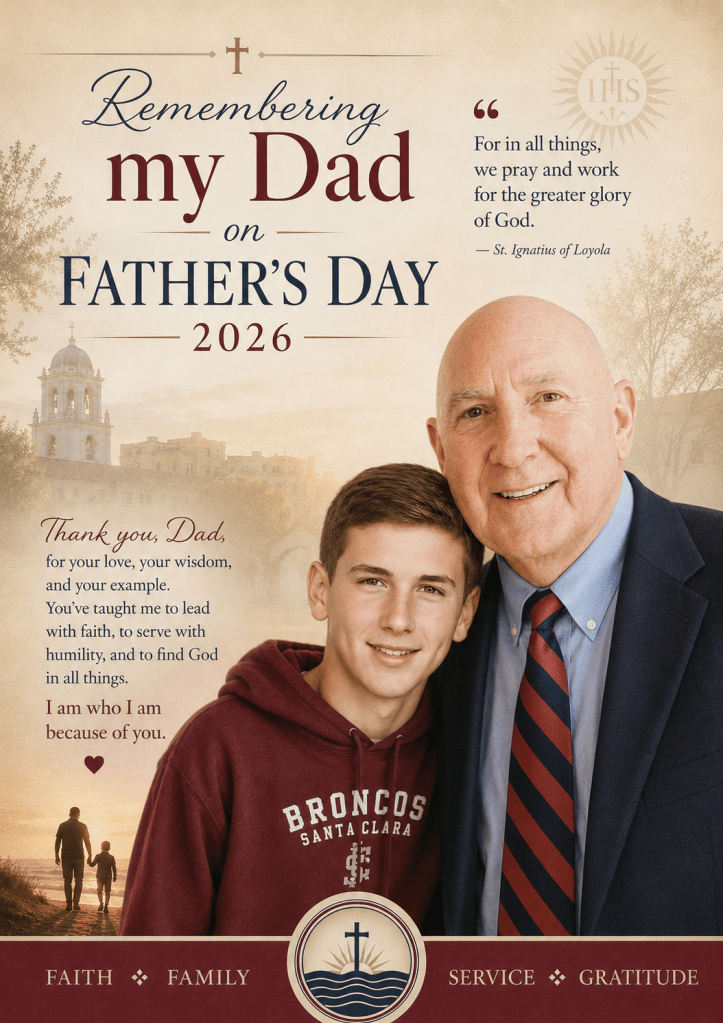
In July 2043, my sons will be 57, 55, and 51 years old. I was 54 when my father died.
The 31st of July in 2043 will be a Friday. I was born on Friday, June 4, 1954. And I like the description of “Friday’s child” in the 1836 nursery rhyme by A.E. Bray: “Friday’s child is loving and giving.”
Throughout my lifetime, I was fortunate to have been educated in Jesuit schools: Saint Ignatius College Prep, Santa Clara University, and the University of San Francisco. I’ve also been significantly influenced by Ignatian spirituality. July 31st is the feast day of Saint Ignatius of Loyola, the founder of the Jesuit Order.
Ironically, my Dad died on July 31, 2008. Dad is also the reason I aim to live until 2043. The number 43 was his special number. In the years since his passing, this number continually shows up in my life in myriad ways. Each time I see it, I have a sense of Dad’s presence in my life.
Some people might be uncomfortable with me discussing the date of my death. I embrace the attitude of author J.K. Rowling. She said, “To the well-organized mind, death is but the next great adventure.” I have always considered myself to be well-organized, and I, too, see the inevitability of my death as the beginning of an entirely new adventure.
Apple founder Steve Jobs also had a positive outlook on death. He wrote, “Death is the destination we all share. No one has ever escaped it. And that is as it should be, because death is very likely the single best invention of life. It is life’s change agent. It clears out the old to make way for the new.”
Herman Hesse, the 1946 recipient of the Nobel Peace Prize for Literature, said this about death: “The call of death is a call of love. Death can be sweet if we answer it in the affirmative, if we accept it as one of the great eternal forms of life and transformation.”
One day at a time!
-
Forgiveness Day
“As the Lord has
forgiven you,
so must you
also do.”
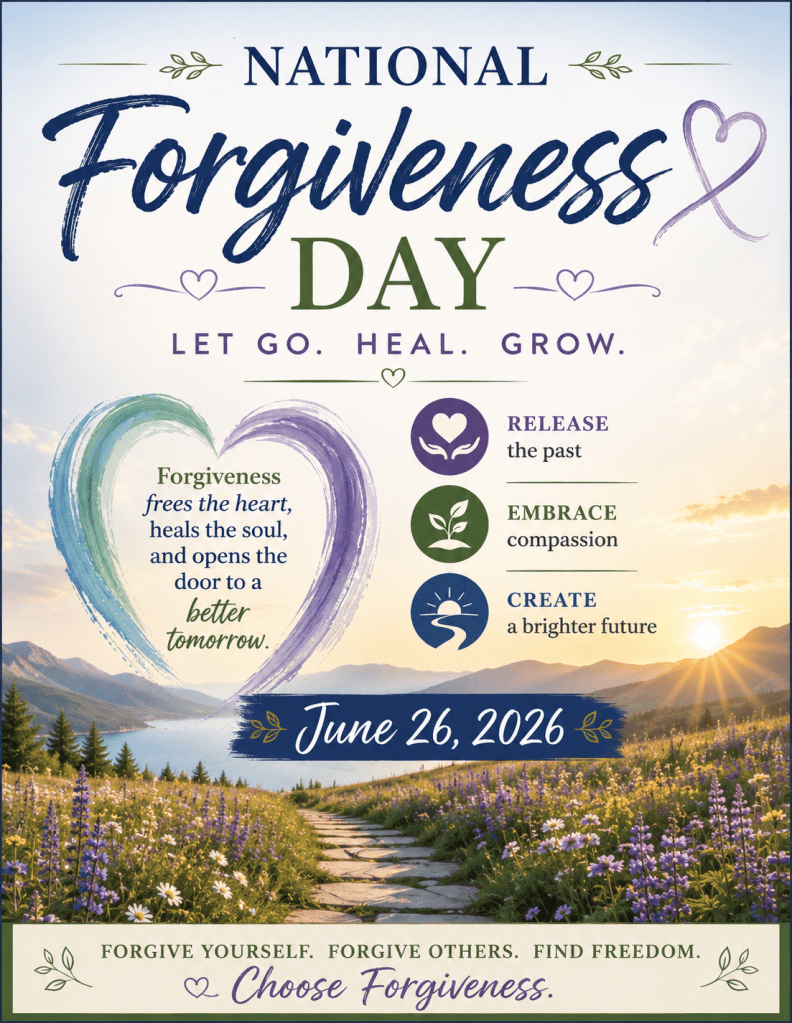
Colossians 3:13Yes, it seems like there is a “National Day” for just about everything. Today’s observance, while overlooked by many, might be one of the most significant on our calendar: National Forgiveness Day.
Anger and resentment are inevitable components of the human experience. When we are hurt by another person or situation, we often feel betrayed, mistreated, or alienated. This can result in feelings of intense anger and resentment which often stay with us for days, weeks, years, or, perhaps, throughout an entire lifetime.
At times, the thought of forgiving someone may cross our mind. It is understandable that we might dismiss such a thought, insisting that the harm done to us is simply unforgivable. While we may feel justified in holding onto our anger or resentment, doing so is detrimental to our own mental health and well-being.
The well-known quote, “Holding onto anger is like drinking poison and expecting the other person to die,” is a modern proverb with no definitive author. Forgiveness is not for the person who hurt us. It’s for us. It’s a deliberate choice to release the burdens of anger and resentment so that we are free to move forward without being chained to people or events from the past.
When we forgive others, we free ourselves from the prolonged stress of our anger. Stress can elevate our blood pressure, weaken our immune system, and put undue strain on our heart. We owe it to ourselves to forgive.
When we forgive others, we put an end to the repetitive, agonizing loop of replaying the hurt in our head. It redirects our emotional energy away from the person who hurt us and back into our own personal growth and happiness. Forgiveness also gives us the power to close a painful chapter of life on our own terms.
It’s important to note that forgiveness does not mean that we forget what happened to us. It does not mean that we condone the behavior of the person who hurt us. Forgiveness also does not require that we reconcile with the offender. It simply means that we will no longer allow events of the past to dictate how we feel and live our lives today.
Self-forgiveness is important for our mental health, as well. In a September 2020 article in Psychology Today, Dr. Abigail Brenner wrote, “When you forgive yourself, you allow resentment and hurt to be replaced by healing. You are taking an action that will course-correct your life and well-being.”
Forgiveness is not a sign of weakness. It is courageous act of self-care.
-
A Day at the Zoo
“Expectations are
resentments
waiting to happen.”
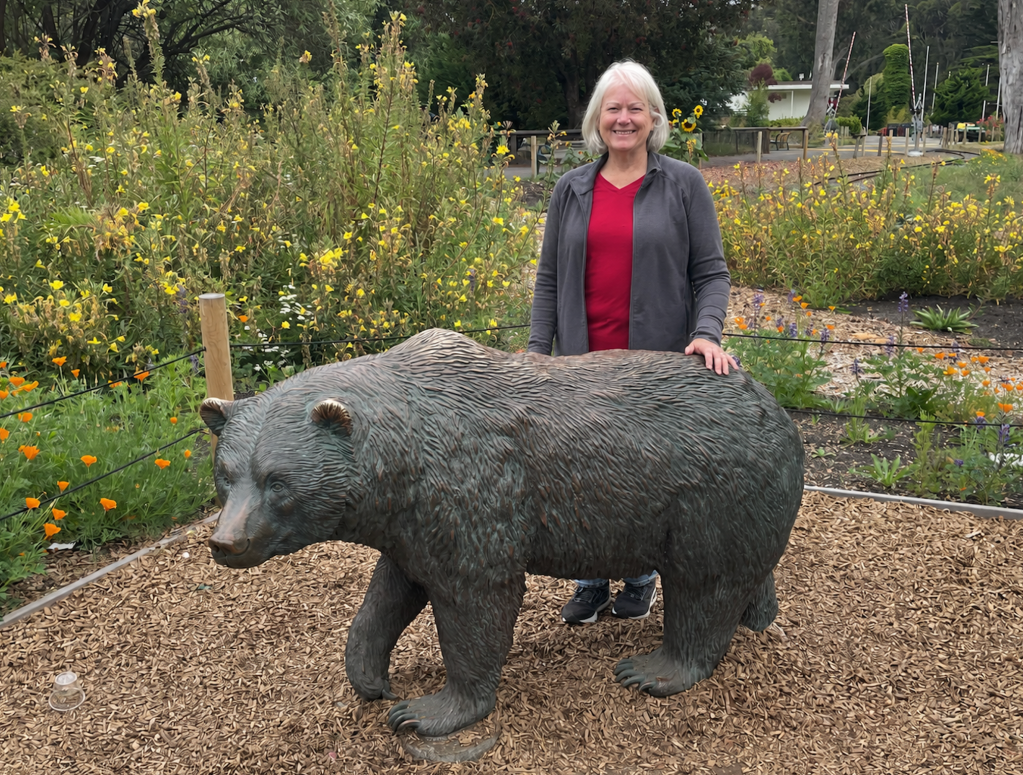
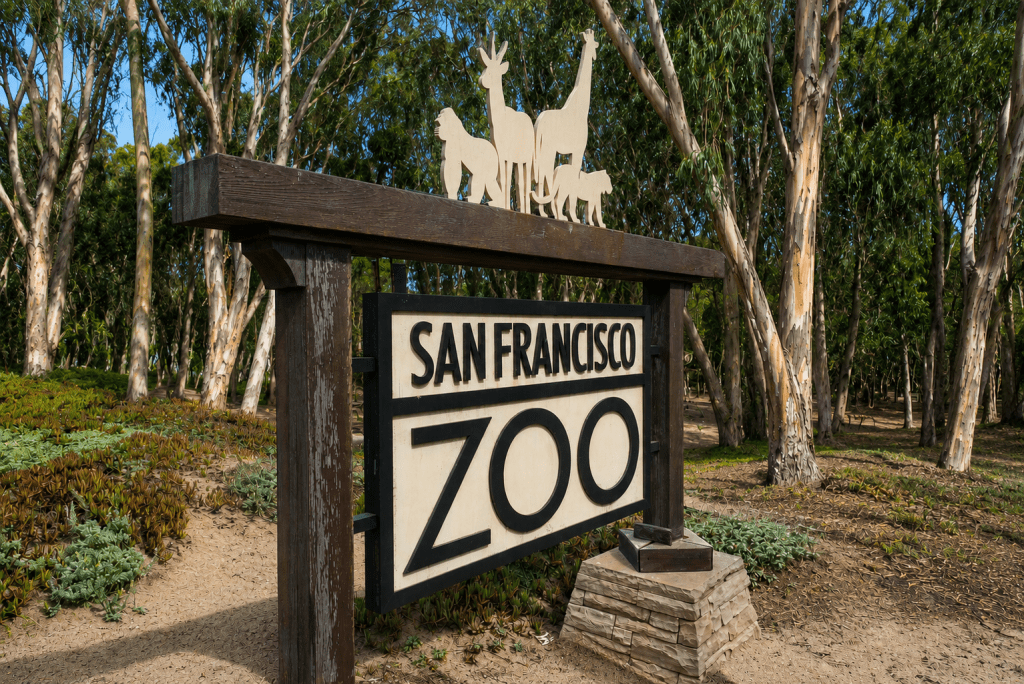
Anne LamottI had not visited the San Francisco Zoo in many years… until yesterday. Kathy and I spent a few hours wandering around the venue enjoying a comfortably overcast San Francisco day. I know I visited the zoo with my kids when they were toddlers, but my sons are now 40, 38, and 34, so it’s been a while.
The last time I was there, the main entrance to the zoo was on Sloat Boulevard, between 45th and 46th Avenues. Now, the entrance and parking lot are situated where Fleischhacker Pool used to be located. The 6.5 million gallon saltwater pool, which was 1,000 feet long and 150 feet wide, closed in 1971. It was so large, lifeguards patrolled the water in row boats.
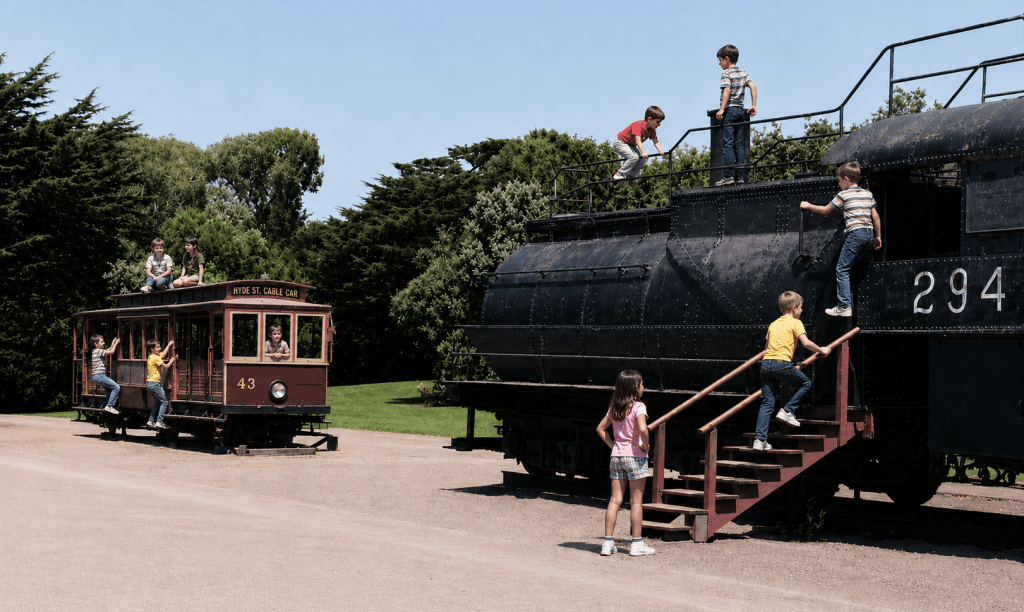
In my younger days, the children’s play area in the zoo included a real life-size train engine and an authentic San Francisco cable car. One of the highlights of a visit to the zoo at that time was observing the antics of the monkeys on Monkey Island. All of these things are gone now.
To be honest, I’ve never been a big fan of keeping animals in cages and enclosures in a zoo setting. It just didn’t feel right to me, even in my younger days. I was reminded of this during our visit yesterday.
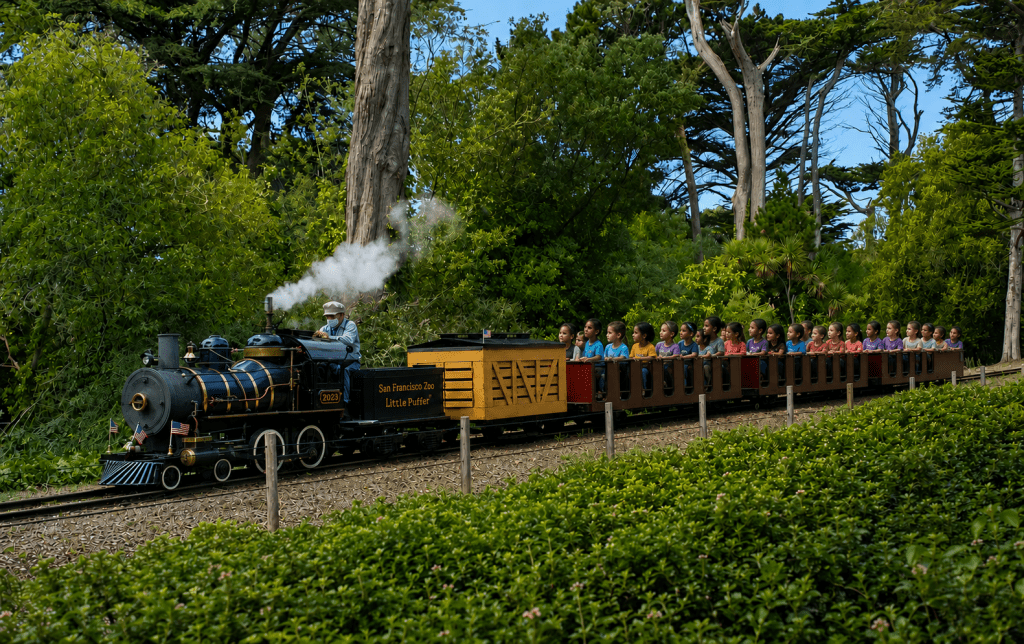
The senior discount allowed us to enter the zoo for $24 each. I’m fairly certain it’s the first time I’ve ever paid to enter the San Francisco Zoo, a venue I’ve visited well over sixty times. The zoo began charging admission in May 1970. Prior to that, entry to the zoo was totally free. I wouldn’t have minded the cost we paid yesterday if our experience had been a little different. In many of the animal exhibits and enclosures, no animals could be seen. The Little Puffer Train was not operating, which was a bit surprising considering that yesterday was a Wednesday during the summer and the zoo was filled with hundreds of children, some with parents, others with summer camp programs visiting the zoo for the day.
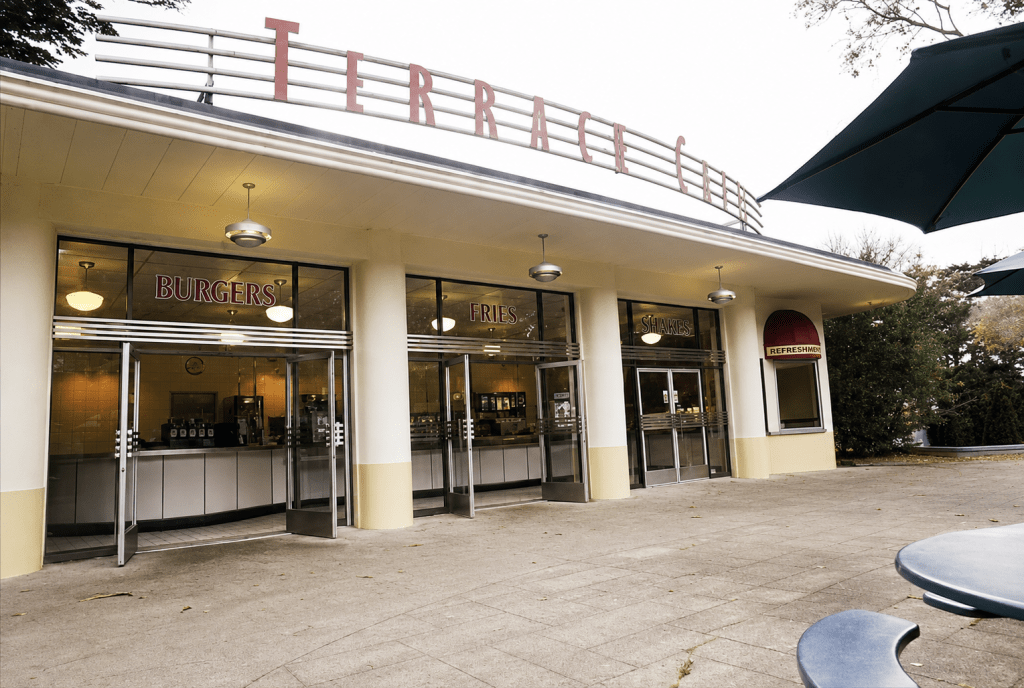
Even the Terrace Café, a favorite hangout of the Silver Tree Day Camp staff in the ‘60s and ’70, when the camp day on Wednesday mornings began at the zoo, was closed yesterday. I knew things at the zoo had changed, but yes, I had still had a few expectations, many of which went unfulfilled.
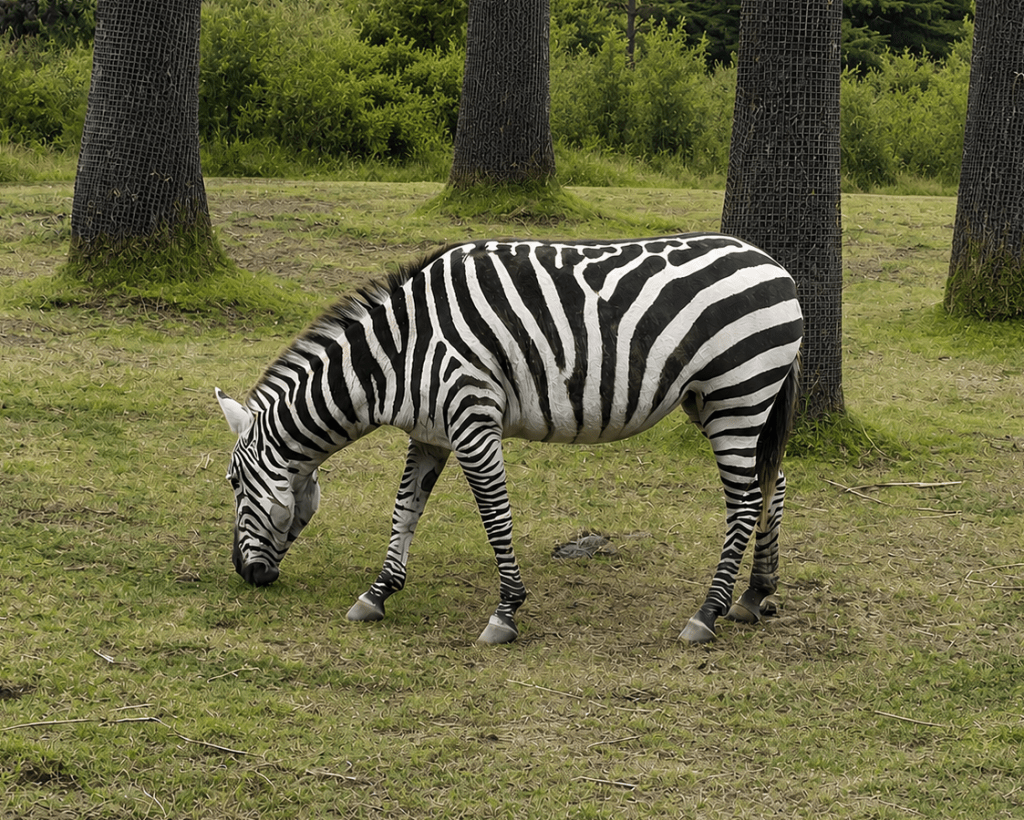
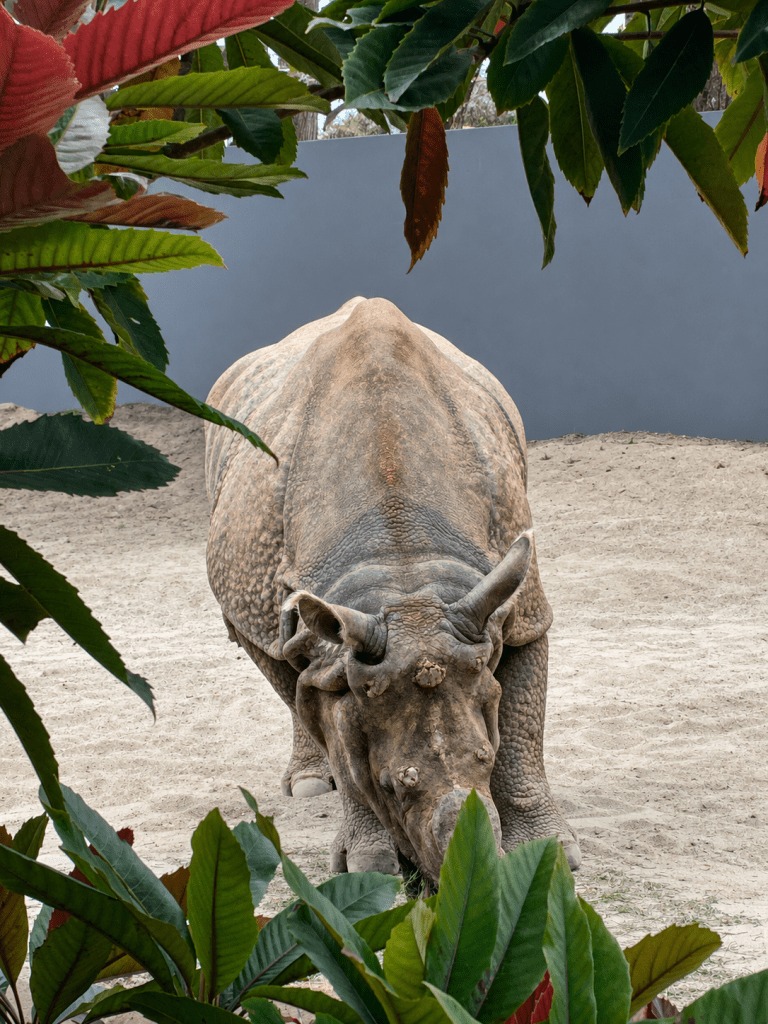
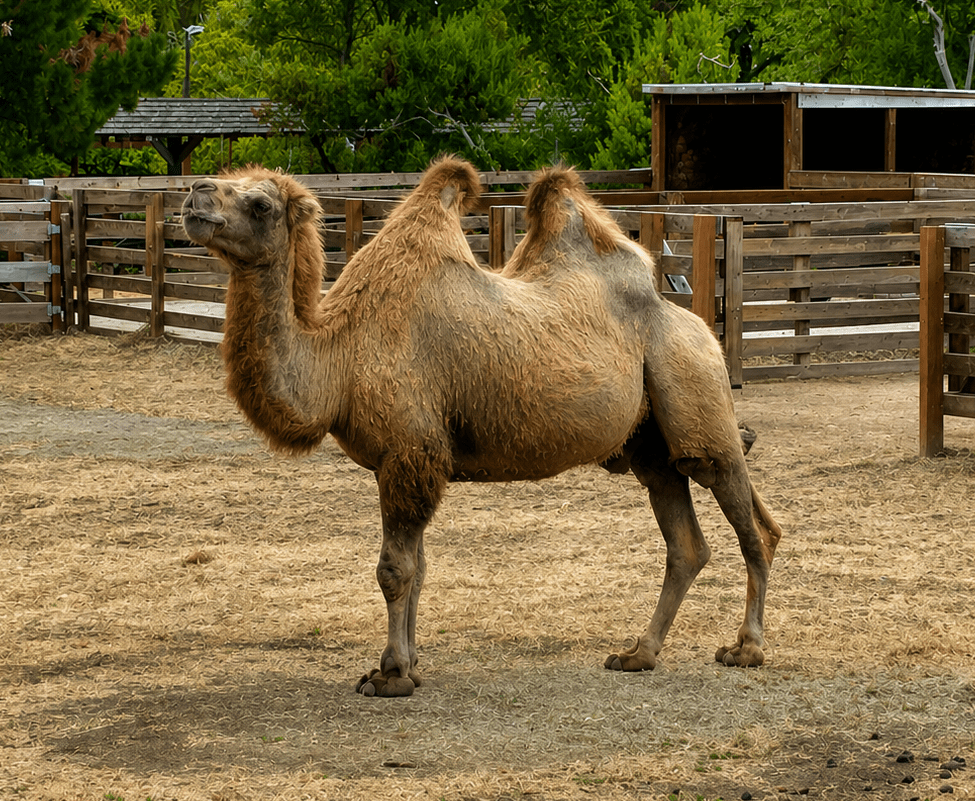
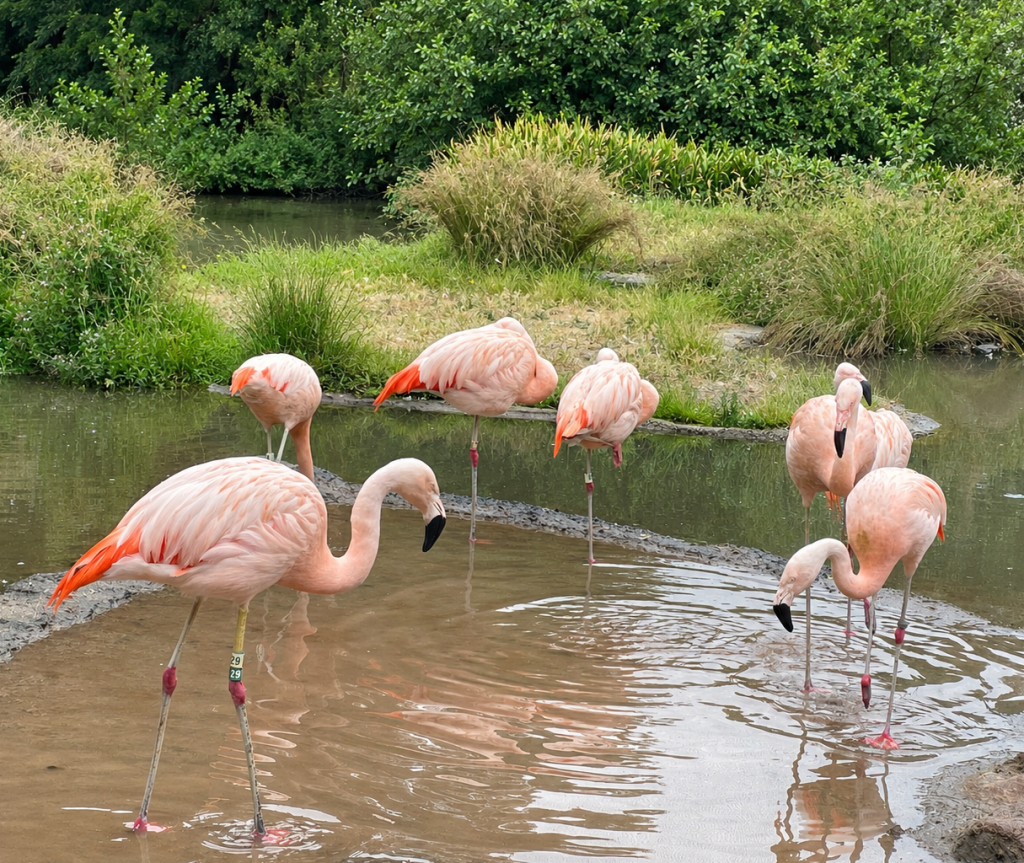
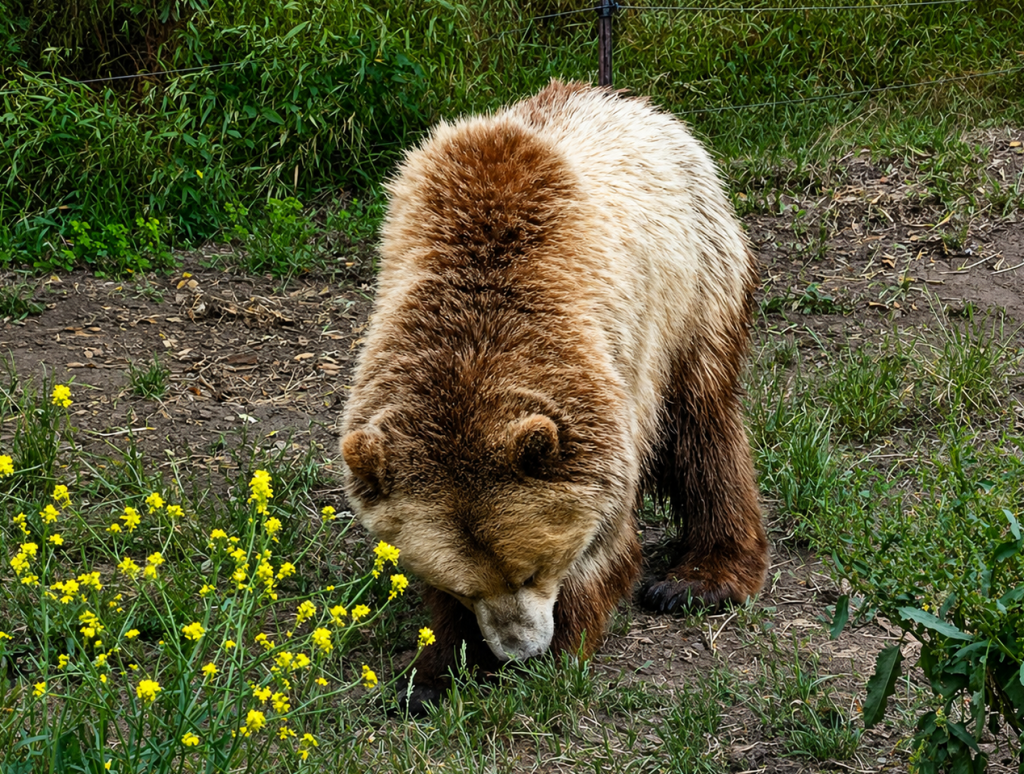
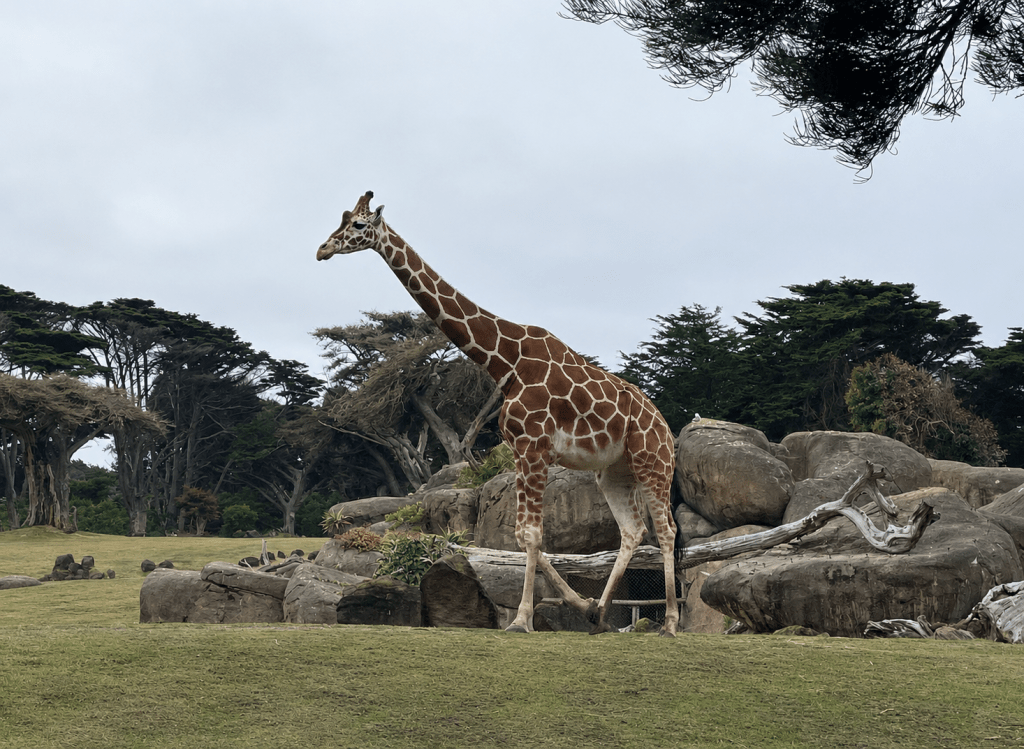
On that note, I’ll share a few photos I took yesterday, along with a few I doctored-up using AI. Despite the disappointments, the day was a good one. My memories of yesterday’s visit to the San Francisco Zoo will be ones I will cherish for the rest of my life.
-
Silver Tree
“Look for the
extraordinary
in the
ordinary.”
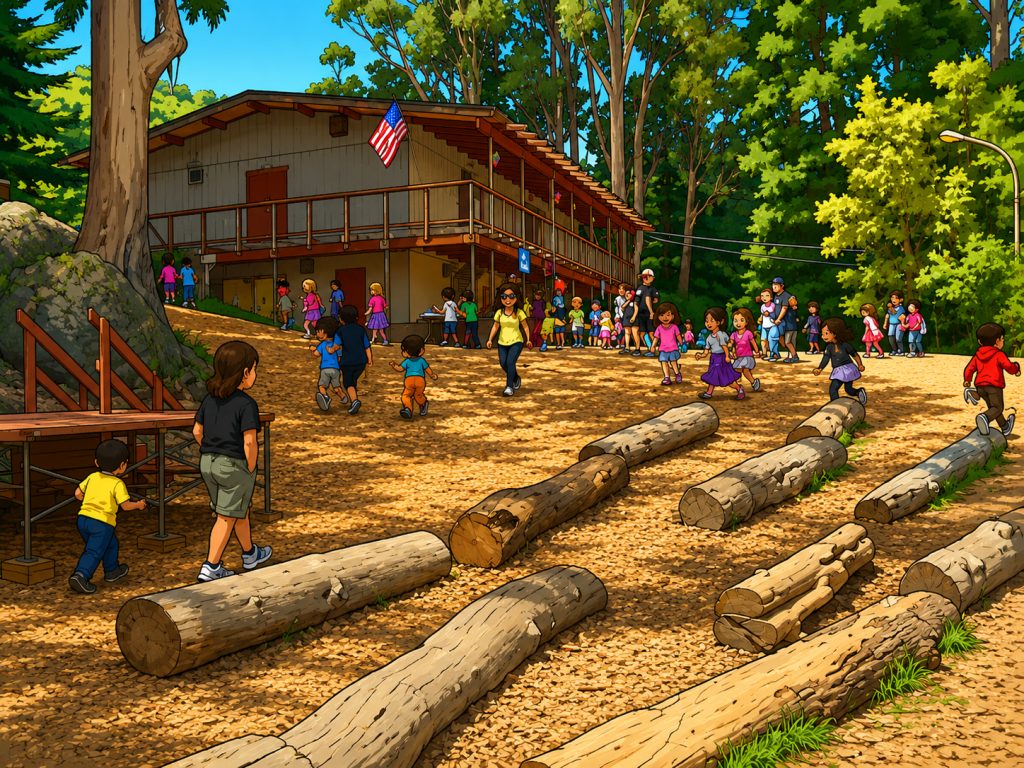
Matthew KinsleyIt’s been said that our most treasured moments aren’t always the big, important ones. The older I get, the more I realize the truth in this statement. Kathy and I took another walk in The City today. This time, we walked through the Glen Park neighborhood, then through Glen Canyon Park. During the summer months, Silver Tree Day Camp, a program for six through twelve year old kids from throughout The City, utilizes the facilities and recreation space behind the Glen Park Recreation Center. The program was in full stride when we visited the camp yesterday afternoon.
I began attending Silver Tree as a camper when I was six years old in 1960. When, at the age of thirteen, I aged-out of the camp in 1967, I secured a position at the camp as a junior counselor. My first two years as a JC were volunteer. I began getting a paycheck for my work there in the summer of 1969. It was the summer before my sophomore year of high school.
I worked at Silver Tree in the summers of 1967, 1968, 1969, and 1970. In what would have been my final summer, 1971, I had the opportunity to work in Jamaica for several weeks, so I volunteered at the camp for the last couple of weeks of August that summer.
In my twelve years at Silver Tree, I accumulated countless memories. Fortunately, most of them were good. I was influenced by some amazing adult counselors, as well as an eclectic group of junior counselors from various high schools in San Francisco. I’m still in contact with several of them today.
Working as a JC enabled me to develop some excellent life skills: leadership, teamwork, punctuality, accountability, patience, empathy, and humility, to name a few. Under the mentorship of two amazing camp directors, Don Ybaretta and Rich Baptista, I developed a strong sense of self-confidence. I felt appreciated and respected by these men, as well as by a number of counselors with whom I worked directly.
I’m not aware of any academic program which could have taught me such valuable life lessons and given me such a a positive sense of self.
I didn’t realize it at the time, but my work at Silver Tree Day Camp was preparing me for opportunities that would be presented to me in future years: teaching a sixth-grade religious studies class at Our Lady of Mercy Parish in Daly City during my senior year of high school; supervising resident students at Bellarmine College Prep in San José; and teaching at a catholic high school in the Bahamas, a job which would lead to a 40-year career in education. As I’ve said so many times before, I didn’t have a clear career plan for myself, but God certainly did. That job at Silver Tree was instrumental in my career development.
Visiting the camp yesterday, and having the opportunity to share so many wonderful memories of my Silver Tree experience with Kathy and with a number of current camp employees, filled me with an overwhelming sense of gratitude. The smiles on the faces of the campers and staff, and the extraordinary vibe which permeated the camp environment, assured me that all continues to be well at Silver Tree Day Camp in San Francisco.
-
Grateful
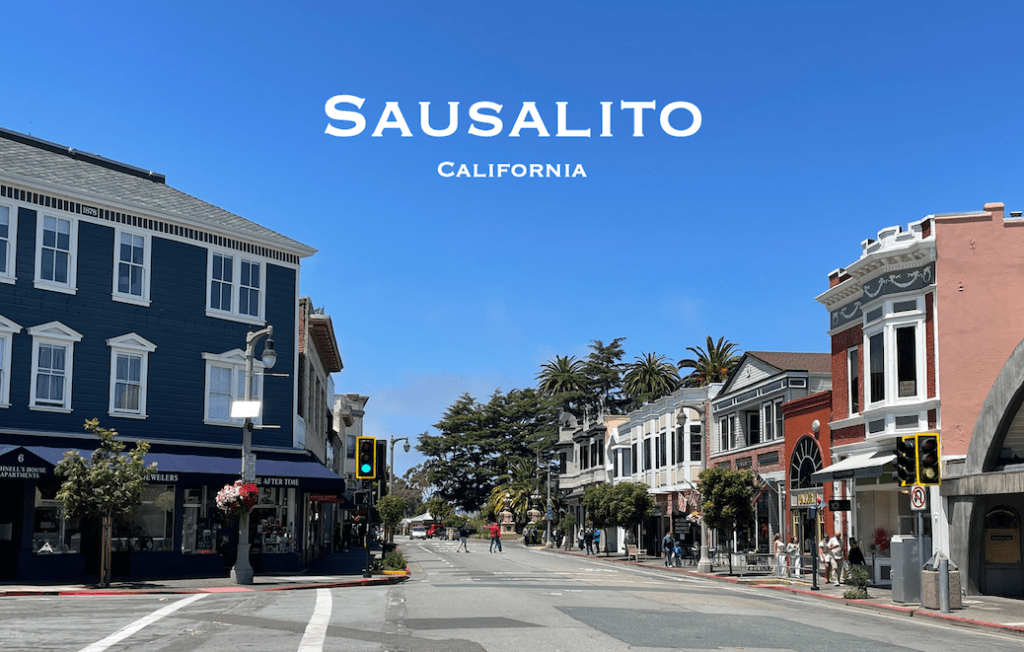
“In Sausalito,
heaven isn’t
a metaphor.
It’s a feeling.”Kathy and I began her birthday celebration yesterday with breakfast at Java Beach Café on Judah Street in San Francisco. The weather was typical June gloom in The City, but breakfast at Java Beach was a great way to begin the day. We weren’t going to let the weather put a damper on this special occasion.
After breakfast, we boarded the “N” Judah streetcar for a ride downtown to Embarcadero Station. A short walk across the Embarcadero took us directly to the Ferry Building where we boarded a Golden Gate Transit ferry boat for the thirty-minute ride to the charming little town of Sausalito. As the boat approached the Sausalito dock, the sun was beginning to break through the morning fog.
Sausalito is described as a picturesque, Mediterranean-style seaside town which is famous for it’s stunning views of the San Francisco skyline. Bridgeway Promenade is the town’s central artery. It is lined with high-end boutiques, art galleries, cafés, and a few excellent waterfront dining establishments. A family favorite through the years has been The Spinnaker. The previous owner of the restaurant was a high school classmate of my Dad at Saint Ignatius High School in The City. His son took over the business when his father retired. He, too, was a graduate of S.I. and a classmate of my brother, Tom.
Kathy and I walked west on the promenade to the Sausalito Café and Bakery for lunch. The owner of that establishment has a daughter who just completed her second year at Santa Clara University. Kathy and I both enjoyed a turkey with cranberries sandwich. The owner treated Kathy to a complimentary birthday chocolate chip cookie, which was large enough for us to share. It’s a good thing we don’t live near this bakery. I don’t know of a place that serves more flavorful cookies.
After lunch, the fog was gone. Although it was sunny, the breeze was still on the cool side (64º). We headed east back into the center of town, stopping along the way to check out some of the shops. Eventually, we made our way to Gabrielson Park, a delightful venue to sit on a bench with a view of Belvedere, Tiburon, and, of course, the San Francisco skyline.
We caught the 3:30 ferry boat back to The City, then walked from the Ferry Building to Fisherman’s Wharf, passing by the popular Pier 39 along the way. We made our way to the Argonaut Hotel, located at the corner of Jefferson & Hyde Streets. By then, our step-count for the day was right around 10,000, so we enjoyed sitting and relaxing in comfortable chairs in front of the fireplace in the hotel lobby.
Around 5:30, we left the hotel and walked directly across the street to my favorite Fisherman’s Wharf restaurant, Capurro’s, a fixture on the wharf since 1946. The restaurant owner, Paul Capurro, is a graduate of Sacred Heart High School in The City. At the conclusion of our meal, which consisted of salad and fresh crab risotto, Paul joined us at our table for an enjoyable 45-minute conversation.
We decided to catch an Uber ride back to our hotel near the beach. It was getting late, the wind had picked up, and the fog had returned. We were ready to call it a day.
Grateful? Oh, yeah.
-
A Special Day
Happy Birthday, Kathy! What better way to celebrate Kathy’s birthday than a few days in San Francisco? It’s typical June weather in The City — cold, windy, overcast — but we’re planning to make the most of it. Heading over to Sausalito on the ferry boat today for a birthday lunch.
-
Father’s Day
-
Secrets
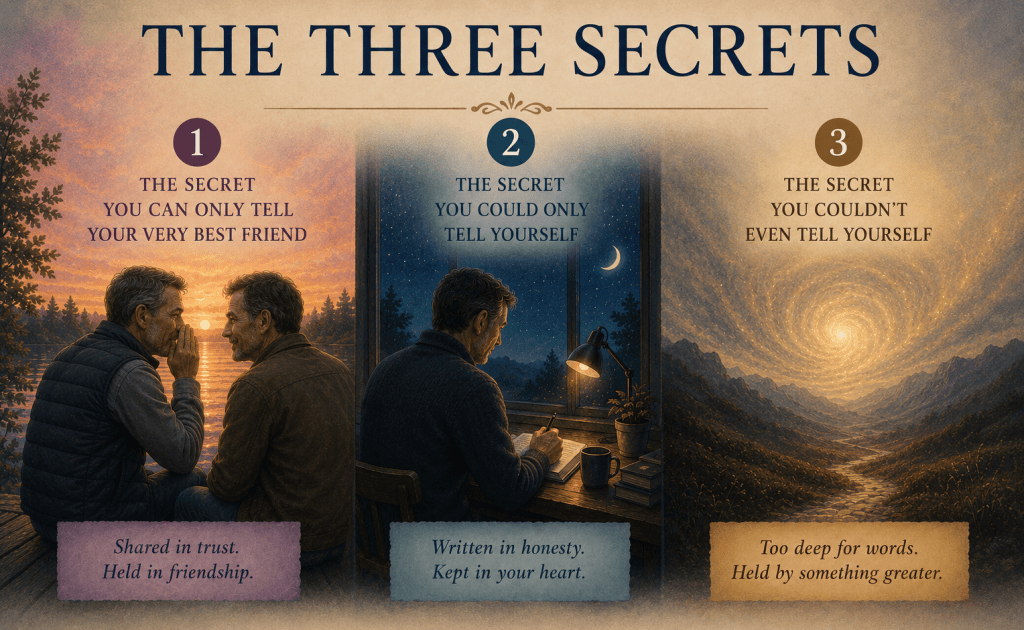
“Some secrets
are shared.
Some are kept.
Some live
beyond words.
All three are part
of who we are.”
Leo BuscagliaSecrets. Many people have them. Some few are able to keep them. I was once told that a secret is defined as “something you tell one person… at a time!” It seems that there is a lot of truth in this.
I recall my boys, when they were quite young, being upset because some of the girls in the neighborhood, kids they played with almost every day, were telling secrets to each other. My boys felt left out — and a bit resentful. I could relate. There were countless times in my life when I became aware that I was not included in conversations, decisions, or general information. I felt left out, even betrayed. I have a different perspective on secrets now.
No longer do I have the need, or the desire, to be included in everything. If someone wants to conceal something from me, it’s their prerogative to do so. I don’t feel left out, and I don’t feel betrayed. In fact, I often feel relieved at not having to deal with whatever drama they are concealing. Sharing secrets, however, carries significant emotional and psychological value.
When we confide in someone, we release the burden of carrying hidden information. This has a way of lowering my level of stress while boosting my overall feeling of well-being. Sharing secrets also fosters intimacy, builds trust, and helps to create a shared reality with those to whom we reveal our secrets.
It seems that there are three major benefits to appropriately disclosing a secret. The first is psychological relief. Research has shown that holding onto a secret can consume cognitive resources, making some of our basic day-to-day tasks more difficult. When we share the secret, this mental burden is lifted from us.
The second benefit is that sharing secrets has the potential to deepen relationships. Especially when we expose our own vulnerability, we demonstrate that we value the other person and trust them with our secret. This reciprocal exchange increases rapport and closeness in a relationship.
Finally, sharing our secrets can offer us emotional support. When a secret is shared with a discreet, non-judgmental confidant, we often find that we gain a new perspective on the situation about which we shared.
Appropriate self-revelation is a key ingredient to a solid relationship. When we withhold information about ourselves from others, we are withholding a part of who we are from them. Doing so inhibits the potential growth of the relationship itself.
Yes, there are three types of secrets: (1) The secret we can only tell our very best friend, (2) the secret we can only tell ourselves, and (3) the secret we cannot even tell ourselves. It can be a challenge to determine into which category each of our secrets fall.
-
Small Town Charm
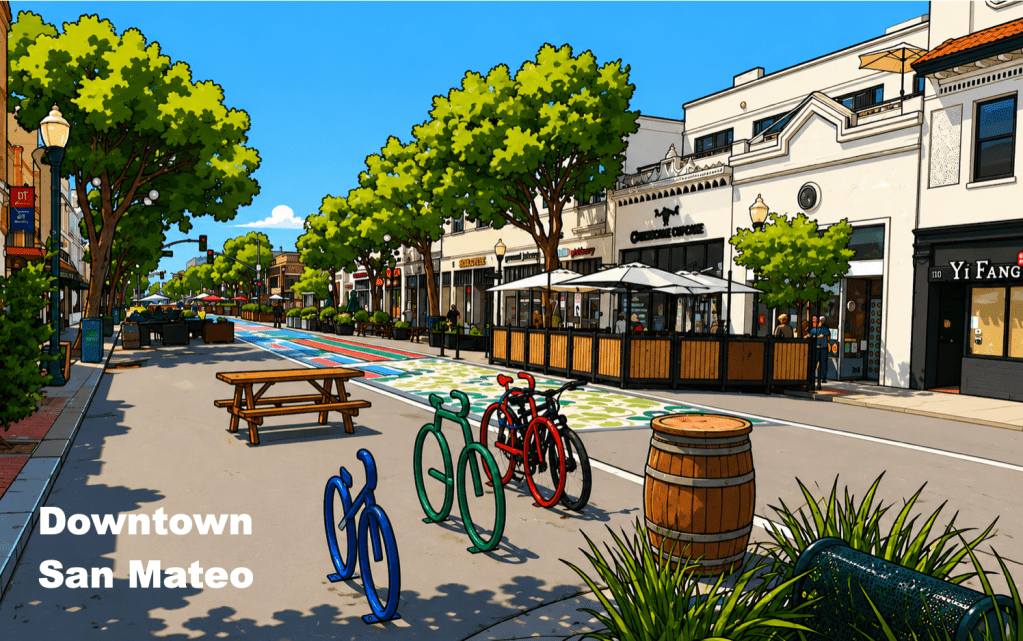
“Downtown San Mateo
is thriving as a
regional destination.”
Mackenzie JakoubekDowntown San José (my home town) is, well,… a work in progress. Downtown Los Gatos is quaint, but congested and overpriced. Downtown Campbell is a comfortable place to meet a friend for lunch or dinner or to enjoy an ice cream at the Campbell Creamery. Downtown Santa Clara,… uh,… doesn’t exist. It’s true! There’s no “downtown” in Santa Clara, much to the disappointment of locals who have been trying to create the downtown once envisioned for the Mission City.
Downtown San Carlos is nice. With a few blocks of Laurel Street closed to motor vehicles, and a variety of eating establishments, it’s one of the nicer small town destinations on the peninsula. Downtown Burlingame doesn’t have much, but it does have Copenhagen Bakery, which is enough to get me to visit there fairly often.
The downtowns in Los Altos and Mountain View also offer some nice options for meals or get togethers with friends. None of these places, however, compare with the ambiance and sense of belonging I experienced in downtown San Mateo.
That’s where I met my sister, Cathy, for lunch on Tuesday. I took the train up from the South Bay. Cathy lives in San Mateo. We met at Peet’s Coffee at 3rd & B Streets. After enjoying a drink and some good conversation, we wandered up B Street to 1st Street, where Jeffrey’s Hamburgers is located right on the corner. Eating at Jeffrey’s is like stepping back into the 1950s. I ordered a cheeseburger and I got a real cheeseburger, not a cooked-from-frozen beef disc. Cathy and I shared an order of French fries, which were better than the fries served at most burger joints I’ve visited. To top it all off, I ordered a vanilla milkshake. Just like in the 50s and early 60s, it was blended in a tall, metal container, then poured into a traditional milkshake glass. It was topped with whipped cream and a cherry. When it was brought to our table, the server also left the metal container in which the dessert had been blended. There was enough milkshake left in the container to refill my glass completely, and the taste was exceptional.
After lunch we walked through downtown to San Mateo Central Park, where our family of origin had spent many Sunday afternoons in our childhood. The park is home to a stunning rose garden filled with countless varieties of colorful flowers.
Downtown San Mateo is a community with character. Former San Mateo City Councilman, Jerry Hill, proudly remarked, “At a time when other municipalities are trying to invent a sense of character and identity,… San Mateo — with the largest downtown in the county — has long had a sense of place and community… San Mateo is about downtown — it is the theme of our city.”
Yes, downtown San Mateo is a regional destination, not just another stop along the CalTrain tracks, and it is thriving. If you’re not familiar with this area, I urge you to check it out. You won’t be disappointed.
-
Subscribe
Subscribed
Have a WordPress.com account? Log in now.

